
Advantages and Disadvantages of Multi-Purpose Multifocal Contact Lenses
Multifocal contact lenses present a versatile solution for vision correction, offering benefits like a broader field of view and weather resistance. However, they come with challenges such as application difficulty and adjustment periods. This comprehensive guide explores the pros and cons, helping users make informed decisions about incorporating multifocal lenses into their daily routines for improved vision and lifestyle efficiency.
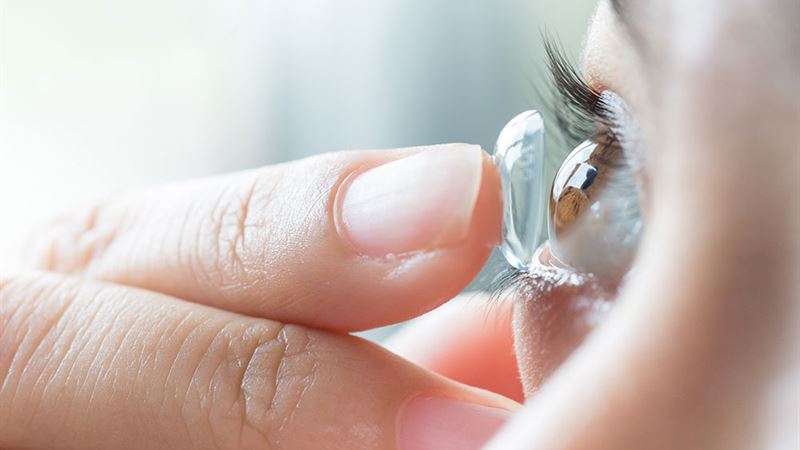
Unlike traditional eyeglasses, which can be prone to physical damage such as cracks, chips, or scratches, multifocal contact lenses conform precisely to the curvature of your eyes. This direct contact offers an expanded field of vision with sharper clarity across multiple distances, making everyday activities more effortless. Whether you're reading, working on your computer, or driving, these lenses help you achieve a seamless visual experience without interruptions caused by lens distortions or frame limitations.
Eyeglasses often suffer from issues like fogging in cold or humid weather, and glare from sunlight can hinder clear vision. Moreover, prescription sunglasses may not always be available or suitable. Multifocal contact lenses eliminate these problems by providing consistent visual correction regardless of weather conditions. They are unaffected by temperature fluctuations, humidity, or lighting changes, ensuring continuous clear vision whether you're outdoors or indoors. Such resilience enhances your ability to perform outdoor activities or commute without worrying about visual impairments caused by weather.
For individuals coping with presbyopia — the age-related decline in near focusing ability — multifocal contact lenses offer significant advantages over traditional glasses. They enable smooth, effortless transitions between near and far vision, facilitating work tasks, reading, or viewing screens. Moreover, these lenses are especially advantageous for physically active people, athletes, or workers involved in tasks requiring greater mobility. Mechanics, electricians, or construction workers can benefit from unobstructed peripheral vision and increased comfort compared to wearing bulky glasses. Multi-purpose lenses eliminate the restrictions glasses may impose during sports or strenuous activities, making daily routines more dynamic and efficient.
Challenges and Considerations
- Difficulty in Application and Handling
For new users, inserting and removing multifocal contact lenses can be a learning curve. It requires a steady hand, proper technique, and patience to ensure correct placement. Not everyone finds it easy to handle these lenses, which can sometimes lead to frustration or improper usage. In such cases, glasses may be a more practical choice for daily wear, especially for those who prefer simplicity and ease of use. - Potential Oxygen Deprivation to the Eyes
Since multifocal contact lenses sit directly on the eye’s surface, they form a barrier that can limit natural oxygen flow to the cornea. Extended wear or improper fit can cause discomfort, dryness, or irritation, and in severe cases, may contribute to more serious eye health issues. Regular eye check-ups and proper lens cleaning are essential to mitigate these risks. - Risk of Computer Vision Syndrome
Multifocal lenses alter focusing patterns, often reducing the need for head movement while reading or working on digital screens. This characteristic, coupled with prolonged exposure to electronic devices, can lead to computer vision syndrome — symptoms such as headaches, blurred vision, neck pain, and eye fatigue. Users should take breaks, ensure proper lighting, and follow ergonomic practices to reduce discomfort. - Adjustment Period
Transitioning to multifocal contact lenses involves an adaptation phase. Initially, images might appear blurry or require some time for the brain to adjust to the different focal points. Patient patience is necessary, and some individuals may notice improvements only after several days or weeks of consistent wear. In rare cases, some people may never fully adapt, preferring other correction methods.