
Comprehensive Guide to Selecting the Perfect Contact Lenses for Your Eyes
Discover how to select the perfect contact lenses tailored to your vision needs and lifestyle. This comprehensive guide covers various lens types, their benefits, and tips for choosing the right lenses for comfort, vision correction, and aesthetic enhancement. Learn about disposable, extended-wear, and cosmetic lenses, along with important factors to consider to ensure optimal eye health and satisfaction. Make informed decisions with expert insights for safe and effective contact lens use tailored to your preferences.
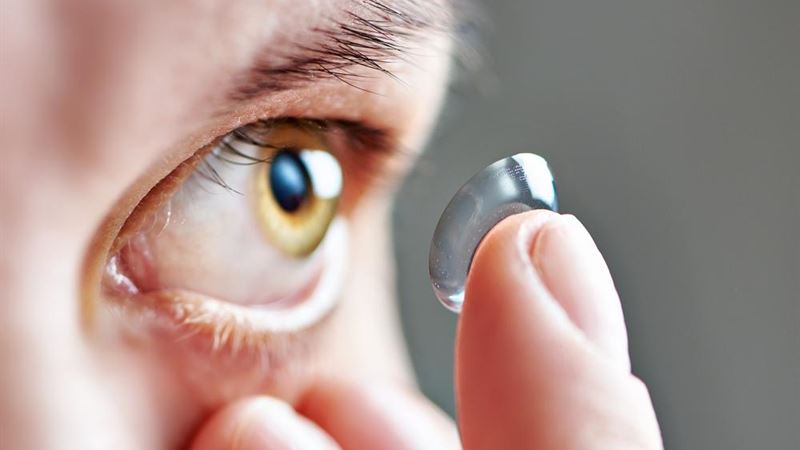
Understanding the variety of contact lenses is crucial. From daily disposables to extended-wear options, each type has its unique benefits and considerations. Whether you are seeking convenience, long-term affordability, or cosmetic enhancements, this guide will walk you through the essential information to make an informed decision.
Different Types of Contact Lenses
The world of contact lenses is diverse, offering solutions tailored for various vision corrections, eye conditions, and personal preferences. Here, we explore the most common categories:
- Disposable Soft Contact Lenses
Disposable soft contact lenses are designed for short-term use, typically around 30 days. They are crafted from flexible, water-rich materials that provide exceptional comfort and clarity. These lenses are intended for single-use, though some can be disinfected and reused with proper cleaning protocols, depending on the brand and specifications.
Many users prefer daily disposable lenses for convenience, reducing the risk of infection and eliminating the need for cleaning. Others opt for bi-weekly or monthly lenses, which require careful maintenance and disinfection after each use. The choice largely depends on your lifestyle, budget, and eye health considerations.
- Daily Wear Contact Lenses
Designed for daily use during waking hours, these lenses are ideal for individuals who prefer the ease of replacing their lenses every day. They are manufactured with high comfort levels, making them suitable for extended wear for those over 18. The lenses can be used multiple times if cleaned properly but are often discarded after one day for maximum hygiene and eye health.
costumes, sports, or daily commuting, daily wear lenses offer a great combination of comfort and safety. They are easy to use and reduce the cumulative risks associated with long-term lens wear.
- Extended Wear Contact Lenses
Extended wear lenses are engineered to be worn continuously for extended periods, sometimes up to 30 consecutive days. Thanks to advanced breathable plastics that allow oxygen to pass through the material, these lenses promote eye health during prolonged use. They are ideal for busy individuals who want the convenience of wearing lenses overnight or for multiple days without removal.
However, extended wear lenses demand strict adherence to hygiene practices, as prolonged use can increase the risk of eye infections if not managed properly. Regular eye check-ups are necessary to ensure eye health remains optimal while wearing these lenses.
Specialized Contact Lenses and Their Uses
In addition to standard soft contact lenses, there are specialized types designed to address specific eye issues or aesthetic preferences:
- Spherical Contact Lenses
These are the most common lens types used for correcting refractive errors such as myopia (nearsightedness), hyperopia (farsightedness), and presbyopia. They have a uniform curvature across the surface and provide clear vision for those with simple prescriptions.
- Toric Contact Lenses
Toric lenses are specially designed for individuals with astigmatism, a condition caused by an irregularly shaped cornea. These lenses have a cylindrical component that aligns precisely with the eye’s axis to correct distorted vision. They rely on gravity and eyelid interaction to stay in the correct orientation, providing stable vision correction.
Exploring Eye Color Enhancing and Altering Lenses
If improving or changing your eye color is a goal, various cosmetic contact lenses are available to achieve the desired look:
- Opaque Color Contacts
Opaque lenses are designed to completely mask your natural eye color with solid pigmentation, allowing individuals with dark eyes to achieve vibrant colors like blue, green, or violet. These lenses are especially popular for cosmetic purposes and special occasions.
- Enhancement Tints
Enhanso lenses, often called medium tints, are meant to subtly amplify the natural eye color, making them appear brighter or deeper. They are most effective for people with lighter eye colors and aim to give a more striking but natural look.
- Visibility Tinted Lenses
These are lenses with slight coloring primarily used to help users identify the lenses in storage or during handling. They do not alter or enhance eye color but are practical for easier handling and identification.
Important Factors to Consider When Choosing Contact Lenses
Selecting the right contact lenses involves evaluating several key factors. This decision impacts your comfort, eye health, and overall satisfaction:
- Lens Material and Water Content
The material influences transparency, breathability, and moisture retention. Higher water content can improve comfort but might also lead to faster dehydration in some individuals. A consultation with an eye care professional can help determine the best material for your eyes.
- Duration of Wear
Decide whether you prefer daily disposables, bi-weekly, monthly, or extended-wear lenses based on your routine, convenience needs, and eye health. Each type has its maintenance protocols and considerations.
- Vision Correction Requirements
Ensure the lenses are prescribed accurately according to your specific refractive error. Your eye care provider can perform detailed assessments to recommend the appropriate lens design and power.
- Cosmetic Preferences
If eye color modification is desired, select lenses that match your aesthetic goals while considering safety and comfort. Always opt for licensed cosmetic lenses from reputable brands.
Making the Right Choice for Your Eyes
The decision to wear contact lenses should be made with thorough understanding and professional guidance. Factors such as eye health, lifestyle, comfort, and aesthetic goals influence which lenses are suitable for you. Always consult an eye care specialist before making a purchase to ensure the safety and effectiveness of your chosen lenses.
In summary, contact lenses are versatile, functional, and fashionable accessories when chosen carefully. Be informed about the different options, their benefits and limitations, and how they align with your personal needs. Regular eye check-ups are vital to maintaining eye health and ensuring your lenses continue to serve you well.