
Choosing the Optimal Hot Water Heater for Your Home
Discover comprehensive insights into selecting the perfect hot water heater for your home. Learn about traditional tank and tankless options, their benefits, drawbacks, and key factors to consider such as space, energy efficiency, household size, and budget. This guide will help you make an informed decision to ensure reliable hot water supply while optimizing energy savings and long-term costs. Equip yourself with knowledge to choose the most suitable system for your specific needs and enjoy comfort and efficiency for years to come.
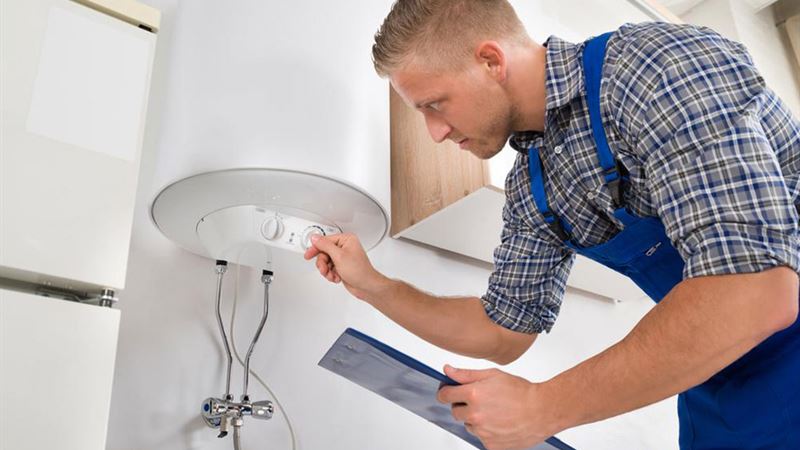
Conclusively, the two primary types of water heaters are storage tank units and tankless systems. Each type comes with unique features, suitable scenarios, and specific costs involved. A detailed comparison can clarify which option aligns best with your household’s requirements.
Traditional Storage Tank Water Heaters
Storage tank water heaters are the classic models found in many homes. They store a specific amount of hot water—typically between 30 and 80 gallons—and maintain it at a constant temperature for immediate use. The key advantage of these heaters is their affordability and simplicity. They are easy to install, and since they store hot water continuously, they provide a reliable supply, especially in households with high hot water demand.
However, tank models tend to consume more energy overall because they maintain water temperature constantly, regardless of usage. Over time, they are prone to wear and tear, requiring repairs and eventually replacement. Plus, their bulky size can be a problem for smaller spaces. If your home has ample space and your hot water needs are consistent, a storage tank heater could be a practical choice.
Tankless Hot Water Heaters (On-Demand Systems)
Tankless water heaters activate only when hot water is needed, which makes them more energy-efficient over the long run. Instead of storing hot water, these systems heat water on demand as it flows through the unit, reducing standby heat loss. They are praised for their compactness and easy installation, making them suitable for homes with limited space or where aesthetic considerations matter.
One of the main drawbacks is the upfront cost. Tankless systems are generally more expensive to purchase and install. Additionally, their capacity can be limited in larger households. You might need multiple units to meet high demand, which can increase costs. Nevertheless, they boast a longer lifespan—often up to 20 years—outperforming traditional models in durability and efficiency. If energy savings, space efficiency, and longevity are priorities, a tankless water heater is worth considering.
Factors to Consider When Choosing a Hot Water Heater
- Space and Installation Constraints
Evaluate your available space before choosing a model. Traditional tank units require a dedicated area because of their size. Conversely, tankless systems are highly portable and suited for small or retrofit installations. - Energy Efficiency and Operating Costs
The energy rating of a water heater directly influences your electricity or gas bills. Higher energy-efficient models might cost more initially but save money over their lifetime due to lower operating costs. Consider your household’s hot water usage patterns when estimating potential savings. - Household Size and Hot Water Demand
Large families or households with high hot water consumption require units with higher capacity. Multiple tankless units or larger capacity tanks may be necessary to meet peak usage times. - Fuel Type and Availability
Electric, gas, or solar-powered heaters each have implications for cost, availability, and environmental impact. Choose a type compatible with your existing utility setup and budget considerations. - Cost and Budget Planning
Assess your initial investment versus long-term savings. While tankless heaters may have higher upfront costs, their efficiency can lead to reduced utility bills. Balance your budget with your expectations for durability and performance.
Additional Tips for Selecting the Best Water Heater
- Consult with a professional installer to assess your specific needs and ensure correct sizing and mounting.
- Check user reviews and ratings for the models you are considering.
- Think about future needs—upgrading your system may be necessary as your household changes.
- Ensure the unit complies with local energy standards and safety regulations.