
Comprehensive Overview of Sleep Apnea Dental Devices: Benefits and Drawbacks
Explore the comprehensive benefits and challenges of sleep apnea dental devices. Learn how these affordable, comfortable alternatives to CPAP improve sleep quality by keeping airways open. Understand the potential side effects, customization process, and suitability for different severities of sleep apnea. Consult experts to determine if a dental appliance is the right choice for your healthcare needs, and enjoy better rest and overall health with this effective solution.
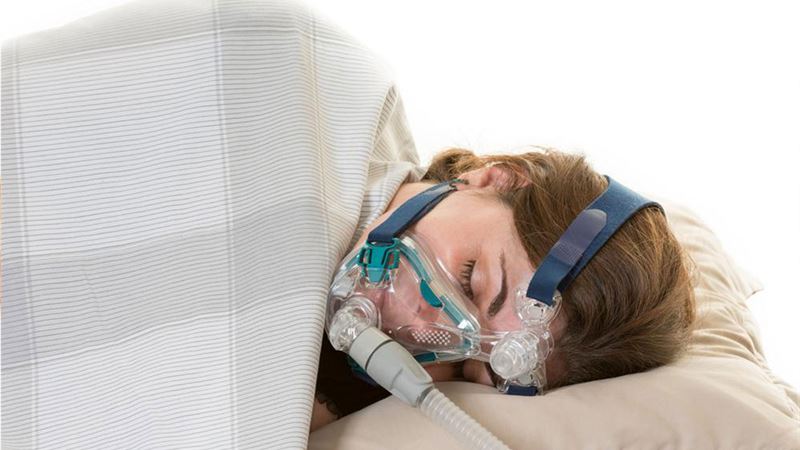
Obstructive sleep apnea (OSA) is a common sleep disorder characterized by repeated airway obstructions during sleep, leading to disrupted rest and health complications. While continuous positive airway pressure (CPAP) devices are often the first line of treatment, many patients seek alternative methods due to comfort or convenience. Among these alternatives, oral appliances or dental devices have gained popularity due to their non-invasiveness and ease of use. These devices are custom-made or adjustable oral apparatuses designed to keep the airway open during sleep. Understanding their benefits and potential drawbacks is crucial before choosing this treatment approach.
How Sleep Apnea Dental Devices Work
Sleep apnea dental devices, often referred to as mandibular advancement devices (MADs), work by repositioning the jaw during sleep. By advancing the lower jaw slightly forward, these appliances help prevent the collapse of the airway, thereby reducing episodes of apnea and hypopnea. They are particularly effective for mild to moderate OSA cases and are a viable alternative for patients intolerant to CPAP therapy. Fitting a dental device requires a meticulous process where dental impressions are taken, and a customized or prefabricated device is manufactured. Adjustments are made over time to optimize comfort and effectiveness.
Advantages of Using Sleep Apnea Dental Devices
- Cost-Effective Solution: One significant advantage of dental devices is their affordability compared to other treatments. The overall cost is often comparable to other oral appliances, and insurance coverage can further decrease the financial burden, making it an accessible option for many patients.
- Ease of Use and Comfort: Unlike bulky CPAP masks, dental appliances are small, portable, and less intrusive on sleep. Most users find them more tolerable, as they do not involve wearing a mask that covers the face or nose, reducing discomfort and feelings of claustrophobia.
- Improved Sleep Quality: By keeping the airway open, these devices significantly diminish sleep disruptions caused by apnea episodes. This can lead to better sleep quality, increased daytime alertness, and overall improved health outcomes.
- Portability: The compact nature of these devices makes traveling easier without the need for bulky equipment or power sources, supporting continuous treatment regardless of location.
- Fewer Skin Reactions: Since they do not contact facial skin or nasal passages extensively, there is a reduced likelihood of skin irritation and nasal dryness associated with CPAP masks.
Potential Disadvantages of Sleep Apnea Dental Devices
- Comfort Issues: While generally well-tolerated, some users experience discomfort or soreness, especially during initial use. Ongoing adjustments may be necessary to alleviate these issues.
- Limitations in Severe Cases: For individuals with severe obstructive sleep apnea, dental devices may not be sufficiently effective, and other interventions like CPAP or surgery might be necessary.
- Customization and Fit: Achieving an optimal fit requires precise dental impressions, which may not always be straightforward. Poorly fitted devices can cause discomfort or reduce effectiveness, necessitating multiple adjustments or replacements.
- Salivation and Oral Discomfort: Increased salivation is common, especially with devices designed to retain the tongue, which can lead to drooling and sore gums or teeth over time.
- Dental and Skeletal Risks: Long-term use can sometimes contribute to dental movement, change in bite, or jaw soreness. In rare cases, it may affect temporomandibular joint (TMJ) health.
- Maintenance and Durability: Dental appliances require regular cleaning and maintenance. Wear and tear may necessitate periodic replacements, adding to the overall cost.
Is the Investment Worth It?
While sleep apnea dental devices offer numerous benefits, it's essential to evaluate whether they suit your specific condition and lifestyle. Cost-effectiveness, comfort, and effectiveness vary among individuals, and some may experience side effects like jaw tension or excessive salivation. Before choosing a dental device, consult with a sleep specialist or dentist to assess your condition through sleep studies and clinical evaluation. Comparing the pros and cons, including potential side effects, will help determine if a dental appliance is the right course of action for your sleep disorder. It's also worth noting that, unlike CPAP, which can cause issues like nasal dryness or irritation, dental devices tend to be better tolerated but might not provide the same level of effect in severe cases. Ultimately, personalized treatment planning ensures that you choose the best option to improve your sleep quality and overall health.
In conclusion, sleep apnea dental devices are a practical, less invasive alternative for many patients suffering from mild to moderate OSA. Understanding their functionality, advantages, and potential limitations is key. Proper fitting, regular follow-up, and team collaboration with healthcare providers will maximize the benefits of these devices. Whether they are the right choice depends on individual needs, severity of apnea, and response to treatment. As awareness of sleep disorders continues to grow, innovative solutions like dental appliances will play an increasingly vital role in comprehensive sleep health management.