
Comprehensive Guide to Dental Devices for Sleep Apnea: Functions, Costs, and Benefits
This comprehensive guide explains what dental devices for sleep apnea are, how they function, their associated costs, and considerations for choosing the right appliance. It emphasizes the importance of professional consultation, insurance coverage, and proper follow-up to ensure effective treatment. Ideal for those seeking non-invasive sleep apnea solutions, this article provides valuable insights into making informed decisions about managing sleep disorders with oral appliances.
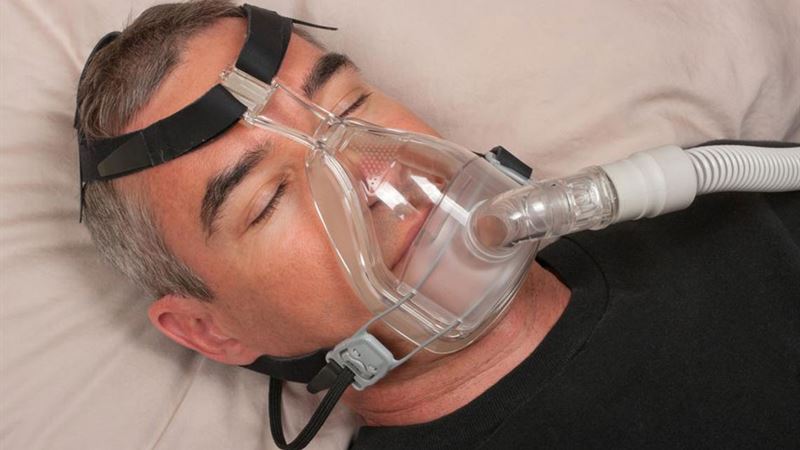
Understanding the Role of Dental Devices in Managing Sleep Apnea
When sleep apnea affects you, especially obstructive sleep apnea (OSA), it occurs because of blockage or collapse of the upper airway during sleep. A dental device, also known as an oral appliance, is custom-made to fit your mouth and realign the jaw and tongue areas. By doing so, it prevents soft tissues and the tongue from collapsing backward and blocking the airway, thus ensuring a clear passage for airflow throughout the night. The main goal of these devices is to facilitate unobstructed breathing, reducing snoring and pauses in breathing, leading to a restful sleep cycle. These devices are especially effective in treating mild to moderate sleep apnea and can also be used for severe cases under the supervision of an ENT specialist or sleep doctor. The design of these devices is simple yet effective; they are usually worn during sleep to maintain proper jaw positioning — either by advancing the lower jaw slightly forward or by repositioning the tongue base. This mechanical keep-open effect minimizes airway obstruction, helping users experience less fatigue, improve overall sleep quality, and reduce health risks associated with untreated sleep apnea, such as cardiovascular issues and daytime drowsiness.Estimating the Cost of Dental Devices for Sleep Apnea
The cost of a dental device designed for sleep apnea varies considerably based on several factors, primarily the type, quality, and customization level. The prices can differ from economical over-the-counter solutions to highly customized, professionally fitted appliances crafted by dental specialists. Typically, high-quality, medically approved devices tend to be more expensive owing to their tailored fit, advanced materials, and proven effectiveness. On average, purchasing a high-end, prescription-grade dental device can range from around $1,800 to $2,000. This price generally includes the costs associated with initial consultation, custom molding, adjustments, and follow-up visits that ensure optimal fit and performance. For patients with mild to moderate sleep apnea, more affordable options are often available, with prices averaging around $800. These may be less customized but still provide significant benefits in improving sleep quality. It's vital to consider that insurance coverage may play a crucial role in defraying the cost of prescribed dental appliances. Many health insurance plans include coverage for sleep apnea management devices if prescribed by a licensed healthcare professional. In contrast, over-the-counter or online purchased dental devices usually do not qualify for insurance reimbursement, making them potentially more expensive in the long run. When contemplating the purchase of a dental sleep device, it’s highly recommended to consult with your healthcare provider or sleep specialist. They can guide you on the most effective and cost-efficient options that suit your particular needs. Also, continuous follow-up and adjustments are essential to ensure the device’s longevity, comfort, and effectiveness, possibly adding to the overall cost but significantly enhancing treatment outcomes.In conclusion, dental devices for sleep apnea are a promising non-invasive treatment option that can dramatically improve sleep quality and overall health. Their costs can vary widely, but with proper insurance coverage and professional guidance, they become a cost-effective solution for many patients. Selecting the right device involves understanding your specific condition, evaluating quality, and working closely with healthcare professionals to ensure the best possible results. Proper use and regular follow-up care are key to maximizing the benefits of these devices and improving your quality of life.