
Innovative Modular Homes for Elderly Living: Advantages, Costs, and Considerations
Discover the advantages of prefabricated homes for seniors, including cost savings, customization options, energy efficiency, and quick construction. Learn key factors to consider for a safe and suitable senior living environment, making housing more accessible and affordable for elderly residents.
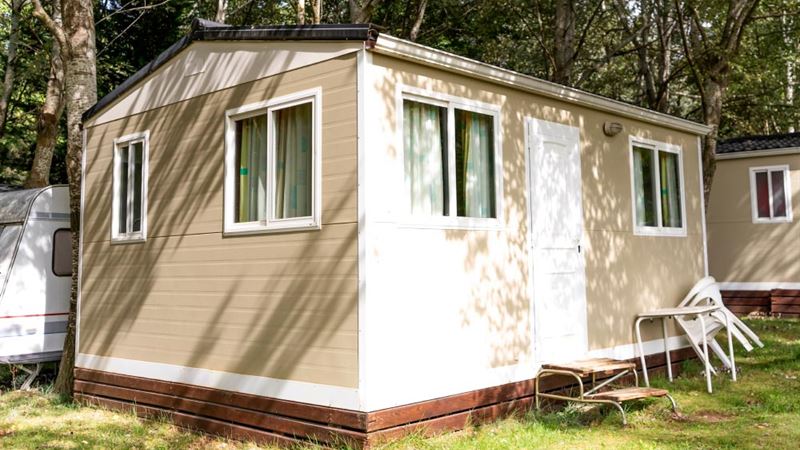
As the demand for affordable, accessible, and comfortable housing options for seniors grows, modular or prefabricated homes are emerging as a highly attractive solution. These homes are manufactured with precision in factories before being transported and assembled on-site, offering numerous benefits that cater specifically to the needs of elderly residents. From cost efficiencies to customizable design features, prefabricated homes are revolutionizing senior living by providing a practical alternative to traditional construction methods. This comprehensive guide explores the advantages of modular homes for seniors, delves into their costs, and offers essential considerations to ensure a suitable and safe living environment.
Cost-Effective Construction and Economies of Scale
One of the most compelling reasons to consider prefabricated housing for seniors is the cost-saving potential. Manufacturing components in bulk allows construction companies to achieve economies of scale, reducing material waste and lowering overall expenses. Unlike conventional building methods where each house is constructed individually on-site, prefab units are assembled in state-of-the-art factories, minimizing delays caused by weather or labor shortages.
This streamlined process significantly cuts down on labor costs and lowers the final price point for prospective homeowners. For seniors on fixed incomes or pensions, affordability is often the top priority, making prefab homes an ideal option. The initial investment for a modular home can be substantially less than traditional brick-and-mortar constructions, often starting around €100,000 depending on various factors such as size, design complexity, and customization options.
Customization Tailored to Senior Needs
Prefabricated homes not only offer affordability but also exceptional flexibility in design. Buyers can customize layouts according to their personal preferences and lifestyle requirements, ensuring the living space aligns perfectly with their needs. This is particularly beneficial for seniors, as the customization process allows for incorporating specific safety and accessibility features.
For example, they can opt for single-story layouts to avoid stairs and facilitate mobility. Entrance ramps, wider hallways, and wider door frames are also commonly requested modifications. Bathroom features such as step-in showers, grab bars, and non-slip flooring can be incorporated seamlessly. These thoughtful modifications promote safe, accessible, and comfortable living environments tailored to seniors’ unique requirements.
Enhanced Energy Efficiency for Long-Term Savings
One of the standout advantages of prefabricated housing is its superior energy efficiency. Modern prefab homes are constructed with advanced insulation materials, double-glazed energy-efficient windows, and airtight seals that minimize heat loss. These features drastically reduce the need for constant heating or cooling, leading to significant savings on utility bills over time.
Energy-efficient design not only lowers monthly expenses but also contributes to environmental sustainability by reducing the carbon footprint. For seniors living on fixed incomes, lower energy bills can make a meaningful difference, ensuring their comfort without financial strain. These homes often include solar panel options and smart energy systems that further optimize utility consumption.
Streamlined Management with a Single Point of Contact
Constructing a new home typically involves coordinating among multiple entities such as architects, contractors, interior designers, and utility vendors. This complex collaboration can be particularly overwhelming for seniors, risking miscommunication or delays. Prefabricated homes simplify this process by offering a dedicated project manager or single point of contact from the manufacturing company.
With this approach, all aspects of design, construction, and finishing are handled cohesively under one roof. The client’s designated contact manages schedules, permits, and communication, alleviating stress and ensuring clarity throughout the process. This streamlined management not only expedites the project timeline but also fosters a smoother, less confusing experience for elderly homeowners.
Commitment to Quality and Safety Standards
Quality assurance is a critical aspect of prefabricated housing. Reputable manufacturers adhere to strict construction guidelines, often complying with international safety standards and best practices. To maintain high-quality standards, prefab units are inspected by authoritative organizations, such as the Quality Association of German Prefabricated Construction (Qualitätsgemeinschaft Deutscher Fertigbau), ensuring consistency, durability, and safety.
Safety features are also customizable, allowing seniors to request additions such as anti-slip flooring, safety rails, and secure locks. These features are crucial for minimizing fall risks and other hazards, fostering a safe and secure living environment for elderly residents.
Rapid Construction Timeline
Since prefab homes are built in factories, their construction timeline is significantly shorter than traditional on-site building. The factory setting allows for continuous, weather-resistant manufacturing, translating into faster completion times from start to finish. Typically, a modular home can be assembled and ready to move in within a few weeks, depending on complexity and size.
This speed is particularly advantageous for seniors needing to transition quickly due to life changes, health concerns, or housing crises. The efficiency of prefab construction also minimizes disruptions and prolonged construction noise on-site, making it a convenient option for many elderly individuals.
Understanding the Cost Components of Prefab Housing
Pricing for prefab homes varies based on multiple factors. The main determinants include the size and floor plan (number of bedrooms and bathrooms), choice of materials, quality of interior finishes, and additional customization features. Manufacturer reputation and location also impact cost — premium brands tend to charge higher prices due to superior materials and craftsmanship.
Generally, a basic prefab unit suitable for senior living starts at approximately €100,000, with high-end designs and extensive customizations pushing costs higher. Additional expenses to consider include land acquisition, site preparation, permits, utility connections, and transportation fees for moving the assembled unit to the site.
Important Criteria When Selecting a Modular Home for Seniors
Land Ownership and Site Preparation
A key consideration is ensuring land or plot availability. Prefabricated units do not come with land; thus, seniors must own or purchase suitable property that meets local zoning and building regulations. The land should be sufficiently large to accommodate the prefab structure and any additional features like gardens or ramps.
Before installation, proper permits must be secured from local authorities. Site assessment for access roads, utility connections, and drainage is essential to avoid delays and additional costs.
Reputation and Reliability of the Manufacturer
Choosing a reputable manufacturer is crucial for quality assurance. Seniors should research and read reviews of potential companies, inspecting their portfolios and certifications. Opting for experienced, certified builders minimizes risks associated with poor construction quality or delays.
Engaging with companies known for their excellent customer support and post-installation services ensures ongoing satisfaction and safety.
Safety Features and Accessibility
Safety must be at the forefront when selecting a prefab home for seniors. Important features include non-slip flooring, grab bars, handrails, adequately lit pathways, and secure locks. Windows and doors should be easy to open, and emergency exits must be accessible.
If these safety features are not included as standard, prospective homeowners should request modifications to enhance security and convenience.
In conclusion, prefabricated or modular homes are transforming senior living by offering affordable, customizable, and high-quality housing options. Their quick construction, energy efficiency, and simplified management processes make them a highly attractive choice for elderly residents seeking safety, comfort, and independence. When properly selected and equipped with essential safety features, these homes can provide a reliable and pleasant environment for seniors to enjoy their golden years.