
Prefabricated Houses: Benefits, Cost Factors, and Market Insights
Prefabricated homes offer a cost-effective, energy-efficient, and eco-friendly alternative to traditional construction. Built in controlled environments, these homes can be customized to match personal preferences while saving time and money. Their durability, quick assembly, and sustainability benefits make them increasingly popular. Costs vary based on materials, size, and design, but overall, prefab houses provide a flexible and practical housing solution suitable for diverse needs. This comprehensive guide explores the advantages, cost factors, and market insights for prefabricated homes.
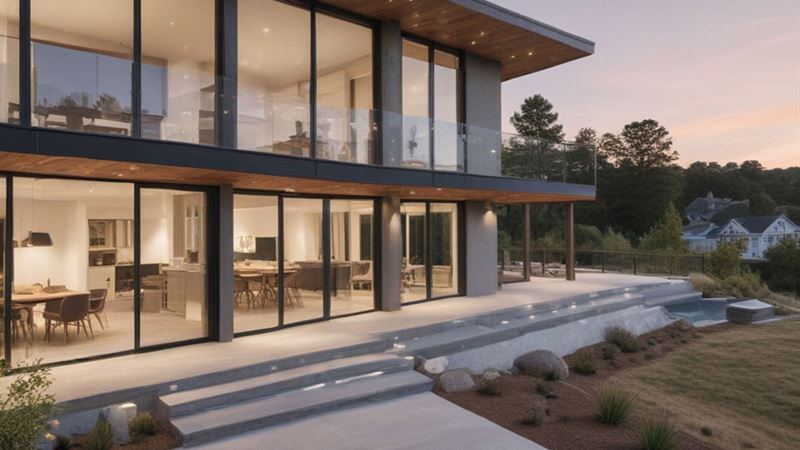
The longevity of prefabricated homes typically ranges from thirty to fifty years, contingent upon the quality of materials used, construction standards, and regular maintenance. Proper upkeep can extend their lifespan, ensuring they remain sturdy and attractive for decades to come. With advancements in building technology, modern prefab homes now boast improved durability, energy efficiency, and eco-friendliness, aligning with sustainable development goals.
Advantages of Prefabricated Homes
The increased acceptance of prefab homes can be attributed to several compelling benefits, including affordability, reduced environmental impact, energy savings, and rapid construction turnaround. These benefits make prefabricated houses an increasingly attractive option for a broad spectrum of homebuyers.
1. Cost-Effectiveness
One of the most significant attractions of prefab homes is their cost savings compared to traditional on-site construction. Building in a factory setting allows for consistent quality control, minimized material waste, and streamlined production processes. These efficiencies translate into lower overall construction costs, which are often passed on to consumers. Additionally, the shorter construction timeline means less labor costs and quicker occupancy, further reducing total expenses.
2. Enhanced Energy Efficiency
Prefab homes are designed to be airtight and well-insulated, significantly lowering energy consumption for heating and cooling. Advanced sealing techniques, energy-efficient windows, and high-quality insulation materials ensure minimal air leaks and optimal thermal performance. These features contribute to reduced utility bills and a smaller carbon footprint. Furthermore, prefab homes are typically constructed to withstand extreme weather conditions such as heavy rainfall, winds, and tornadoes, offering added safety and resilience.
3. Sustainable Building Practices
Sustainability is a core advantage of prefab homes, owing to controlled manufacturing processes that generate less waste and utilize eco-friendly materials like recycled steel and reclaimed wood. The ability to produce components in a factory setting enables precise material management, reducing excess and promoting environmentally responsible building practices. Moreover, the energy efficiency of prefab homes contributes to their overall sustainability, aligning with environmentally conscious lifestyles.
4. Rapid Construction and Deployment
One of the key benefits of prefabricated homes is their quick assembly time. Building components are manufactured off-site and delivered ready for installation, significantly reducing on-site construction time compared to traditional methods. Once delivered, the assembly process is straightforward and involves less labor, allowing homeowners to move into their new residence in a matter of weeks. However, initial site preparation, including foundation work and regulatory compliance, still requires attention to ensure a smooth construction process.
Cost Breakdown and Variability
Estimating the cost of a prefab home can be complex due to various influencing factors. Material choices, size, design complexity, and site-specific requirements all impact the final price. Typically, materials such as timber start at around £75 per square meter, while structural insulated panels can cost upwards of £95 per square meter. High-end options like oak framing may reach £195 per square meter. The foundation work, which involves site excavation and preparation, also adds to costs, depending on soil conditions and construction difficulty.
Size and design are critical cost determinants. Smaller modular units with straightforward designs (around 1050 sq ft) may be available for approximately £14,000, especially for self-builders who follow detailed instructions and manufacturer support. Mid-sized homes offering more space and features (roughly 1388 sq ft) range from £30,000 to £65,000, depending on customization and additional features like decks and porches. Larger, custom-designed homes exceeding 2100 sq ft can easily cost over £100,000. Market variations, geographical location, and specific home features influence these prices significantly.
Most buyers prefer purchasing directly from manufacturers to retain customization options and accurate price quotes. To explore available prefab homes and obtain detailed cost estimates, prospective homeowners should contact reputable modular home builders and request personalized quotes tailored to their needs.