
Innovative Prefabricated Housing Solutions for Contemporary Living
Explore the revolutionary world of prefabricated homes, their benefits, challenges, and how to finance and acquire these innovative dwellings. Learn about different types and customization options for modern living solutions that are cost-effective, durable, and environmentally friendly.
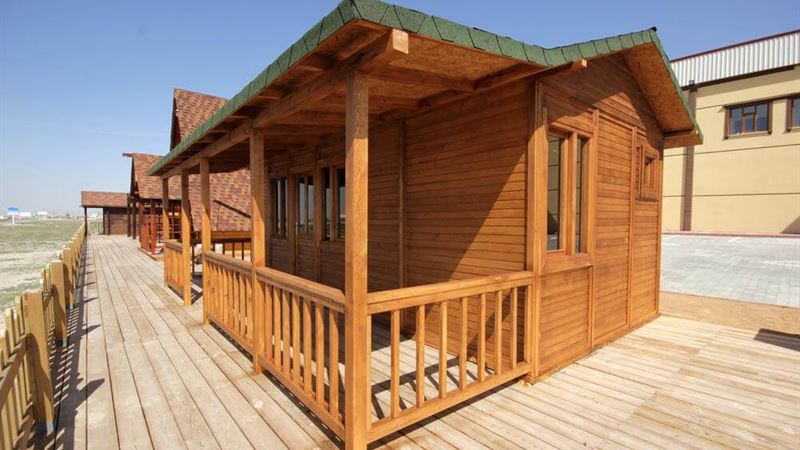
Prefabricated homes have transformed the way we think about residential construction, blending efficiency, affordability, and modern aesthetics into one package. These cleverly manufactured dwellings are not only quick to assemble but also offer remarkable durability and customization options. In recent years, prefabricated housing has gained significant popularity among homeowners, investors, and developers eager to embrace innovative building practices. Understanding the process, benefits, challenges, financing opportunities, and available types can help prospective buyers make informed decisions about adopting this modern housing solution.
Understanding Prefabricated Homes
Prefabricated homes, commonly called prefab homes, are structures constructed in a factory setting and then transported to their final location for assembly. This process contrasts with traditional on-site construction, offering numerous advantages such as faster build times, consistent quality control, and potentially lower costs. Prefab homes encompass various styles, from modular units to panelized systems, each serving different needs and preferences.
Importantly, these homes are designed to withstand various environmental conditions, making them resilient against natural disasters like earthquakes, hurricanes, and heavy storms. Their energy-efficient designs not only reduce environmental impact but also significantly cut down on utility bills, making them an attractive option for eco-conscious homeowners.
Benefits of Prefabricated Housing
- Enhanced Durability: Modern prefab homes utilize high-quality materials and construction techniques, ensuring longevity and robustness. Many models are built to withstand extreme weather conditions, providing peace of mind in any climate.
- Cost Efficiency: Due to the controlled manufacturing environment, there is less material waste and labor costs are reduced. This often translates into a more affordable pricing structure compared to traditional homes.
- Time-Saving Construction: With components manufactured off-site, the assembly process on the property is markedly faster. Homeowners can often move into their new residence within a few months, rather than the traditional year-long timelines.
- Design Flexibility: Prefab homes are highly customizable. They can range from compact tiny houses to expansive family residences, with numerous interior and exterior finish options to suit personal tastes.
- Environmental Sustainability: Many prefab homes adhere to environmentally friendly building standards, incorporating energy-efficient windows, insulation, and renewable energy options, reducing the carbon footprint throughout their lifecycle.
Challenges and Limitations of Prefab Homes
- Land Acquisition and Preparation: The purchase or leasing of land remains a separate process from buying the prefab component. Homebuyers must secure suitable land, ensuring it complies with zoning laws and other legal requirements.
- Utility Connections: Unlike traditional homes that often have utilities already integrated, prefab homes may require additional effort to connect water, electricity, and sewage systems, especially in remote areas.
- Permitting and Regulations: Local building codes and regulations vary; homeowners must ensure their prefab house conforms to all legal standards, which can sometimes delay installation.
- Transport and Logistics: Shipping large modules or panels necessitates careful planning and can incur unforeseen costs due to distance or access constraints.
Financial Planning and Funding Options for Prefab Homes
- Initial Budgeting and Prequalification: Before purchasing, it’s crucial to assess your financial capacity. Consulting with lenders to get prequalification estimates helps gauge the budget available for your prefab project.
- Loan Comparison and Selection: Comparing mortgage rates from various lenders ensures you secure the most favorable terms. Understand the differences between fixed and variable rate loans, as well as down payment requirements.
- Understanding Credits and Financial Eligibility: Your credit score plays a vital role in loan approval. Improving your credit before application increases the chances of favorable financing terms.
- Loan Application and Approval Process: Once prequalified, submit your application, providing necessary documents. Fast approval processes can expedite your project timeline.
- Payment Strategy and Loan Repayment: Establish a clear repayment plan aligned with your financial forecasts. Mortgage payments typically begin once the home is completed and handed over.
Steps to Acquire a Prefab Home
- Site Selection: Choose a location that complies with land use regulations and can accommodate your desired prefab model. Property zoning, access roads, and proximity to utilities are key considerations.
- Researching Manufacturers: Several reputable companies manufacture prefab homes, such as Irontown Homes, Blu Homes, Modular Direct, Champion Homes, Nationwide Homes, Icon Legacy, Wardcraft, Palm Harbor Homes, Clayton Homes, Commodore Homes, and All American Homes. Investigate their offerings to find the best fit for your needs.
- Financial Planning: Create a detailed budget covering land costs, manufacturing fees, transportation, installation, permits, and utility hookups. Understand all associated expenses before proceeding.
- Customization and Design Choices: Most manufacturers offer personalization options. Decide whether to keep the standard layout or request modifications tailored to your lifestyle.
- Consult Family and Experts: Discuss your plans with family, friends, or financial advisors. Their insights can help you make informed decisions and avoid common pitfalls.
Varieties of Prefabricated Homes
- Modular Homes: These are built in sections or modules in a factory and assembled on-site. They often resemble traditional stick-built homes with flexible design options.
- Panelized Homes: Constructed from wall panels produced in a factory, which are then transported and assembled locally. This method allows faster construction and customization.
- Pre-cut Homes: Features components that are cut in the factory according to precise specifications, simplifying the on-site assembly process.
- Shipping Container Homes: Made from repurposed shipping containers, these structures are eco-friendly and offer a unique architectural style.
Embracing prefab housing not only provides a modern, cost-effective, and durable alternative to traditional construction but also allows homeowners to enjoy a quick transition from design to move-in. As technology advances and consumer preferences shift towards sustainable living, prefabricated homes are poised to become a dominant trend in residential development, reshaping how we build and live in the future.