
Effective Strategies for Managing Excessive Sweating (Hyperhidrosis)
Discover comprehensive strategies to manage excessive sweating or hyperhidrosis. Learn about topical treatments, medical options like Botox, and surgical interventions. Find practical tips to improve quality of life and regain confidence. Expert guidance helps tailor personalized solutions for all severity levels of hyperhidrosis.
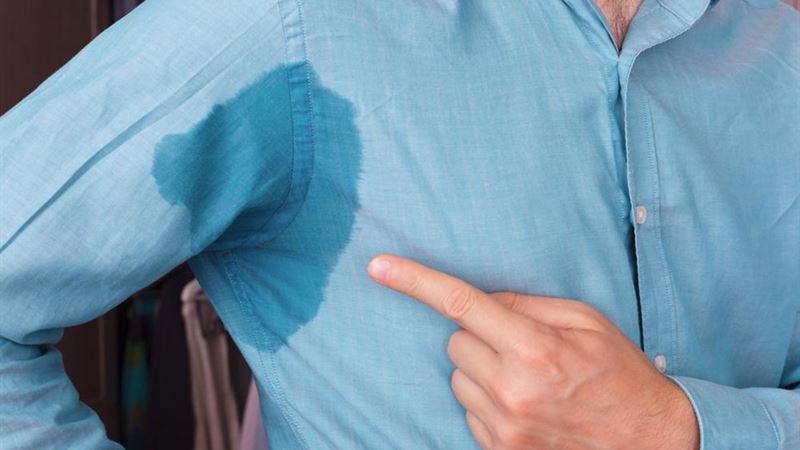
Excessive sweating, medically known as hyperhidrosis, is a condition affecting roughly 3% of the population, leading individuals to sweat profusely even in situations where it's unnecessary. Many suffer from localized hyperhidrosis, also called focal or primary hyperhidrosis, which manifests in specific areas such as hands, feet, face, or underarms. This condition remains idiopathic, meaning there is no identifiable cause despite its impact on daily life. Its unpredictability and severity often cause embarrassment, social withdrawal, and emotional distress, making it a significant quality-of-life issue rather than a purely medical problem.
Living with hyperhidrosis can be challenging. Individuals may experience soaked clothing or socks, persistent foot odor, and discomfort in social and professional situations. The condition often leads to psychological issues such as low self-esteem, anxiety, and depression, as sufferers struggle with their self-image and social interactions. Despite being non-life-threatening, uncontrolled hyperhidrosis hampers confidence and can disrupt normal routines, highlighting the importance of effective management techniques.
There are various approaches to controlling excessive sweating, tailored to the severity of the condition and responsiveness to initial treatments. Since primary hyperhidrosis typically lacks an identifiable underlying cause, approaches primarily aim to block sweat production or reduce its impact on daily life. Here is a comprehensive overview of current treatment options, from conservative remedies to advanced medical procedures.
Non-Pharmacological and Topical Treatments
The first line of defense usually involves topical treatments that help reduce sweating and alleviate discomfort. Over-the-counter antiperspirants containing aluminum compounds, such as aluminum chloride, are the most common initial remedies. These products work by creating a temporary plug within the sweat ducts, effectively blocking sweat release from the glands. Aluminum chloride hexahydrate, a more potent formulation available through prescription, is often recommended for persistent cases.
Application of prescription-strength antiperspirants is typically done at night, applied directly to the affected areas, and left on overnight. Regular use over several weeks can lead to significant improvement. However, a common side effect is skin irritation, which can be mitigated by ensuring the skin is dry and perhaps pre-treating with a moisturizer or barrier cream. Patients are advised to start with lower concentrations and gradually increase as tolerated.
Beyond topical agents, other non-invasive treatments includeBotulinum toxin (Botox) injections, which temporarily block nerve signals responsible for activating sweat glands. Botox has demonstrated high efficacy, especially in underarm hyperhidrosis, with results lasting several months. This procedure, though more invasive, offers significant relief to those unresponsive to topical treatments.
Advanced Medical and Surgical Options
For severe cases that do not respond to conservative treatments, more aggressive approaches are available. One such option is iontophoresis, a procedure that uses a device to deliver a mild electrical current through the skin, subsequently reducing sweat production. Typically used for hand and foot hyperhidrosis, iontophoresis is safe and can be performed at clinics or at home with proper guidance.
In cases where other methods fail, surgical intervention might be considered. Endoscopic Thoracic Sympathectomy (ETS) involves disrupting the sympathetic nerves responsible for stimulating sweat glands in specific body regions. While highly effective, this surgery carries potential risks such as compensatory sweating in other parts of the body, which can sometimes be more bothersome than the original hyperhidrosis. It is generally reserved for severe, refractory cases after thorough consultation and evaluation.
Emerging therapies, including laser therapy and microwave thermolysis, are also being explored, aiming to provide effective results with minimal invasiveness. Ongoing research continues to refine these options, offering hope for those affected by this challenging condition.
Managing Expectations and Psychological Impact
Managing hyperhidrosis extends beyond medical treatments—it also involves addressing the psychological effects. Support groups and counseling can help individuals cope with the emotional toll of hyperhidrosis, improving their overall quality of life. Educating patients about their condition and available therapies empowers them to make informed decisions and reduces feelings of helplessness.
In conclusion, while excessive sweating can significantly impact personal, social, and professional aspects of life, various effective treatments are available. From simple topical solutions to invasive surgical procedures, patients have options tailored to their severity and preferences. Consulting healthcare professionals experienced in hyperhidrosis management is crucial to develop a personalized treatment plan. Continued research promises better therapies in the future, further improving outcomes for those living with this condition.