
Comprehensive Guide to Pruning Azaleas for Healthy Growth
This comprehensive guide offers detailed insights into pruning azaleas, emphasizing the importance of timing, techniques, and tools. Proper pruning enhances azaleas' health, shape, and flowering capacity, ensuring vibrant blooms and a natural form throughout the seasons. Learn how to prune effectively to maintain the plant's vitality and aesthetic appeal, while also keeping safety precautions in mind. Perfect for gardeners seeking to optimize their azalea care and achieve a lush, healthy shrub that blooms beautifully year after year.
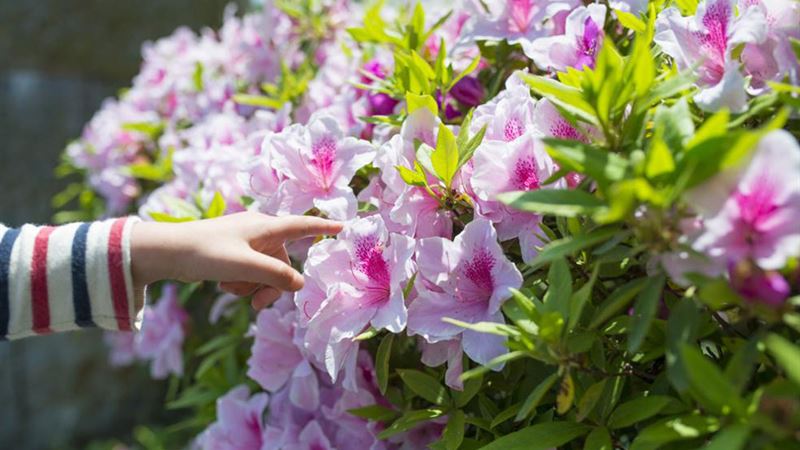
Proper pruning plays a vital role in maintaining the health, shape, and overall aesthetics of azaleas. While there are various pruning methods, understanding the appropriate techniques and timing is crucial for successful cultivation. This detailed guide explores four primary pruning techniques—Thinning, Topping, Raising, and Reduction—and explains how to apply them specifically to azaleas to promote vigorous growth, enhance bloom production, and preserve their natural form.
1. Understanding Pruning Methods
- Thinning: This method involves the selective removal of branches to improve air circulation, light penetration, and overall plant health. It is considered a more drastic form of pruning and must be carried out carefully to avoid damaging the plant. Thinning helps prevent disease and encourages strong, healthy growth. This technique is commonly used for flowering shrubs like azaleas, where maintaining their natural shape is important.
- Topping: Topping refers to cutting back all the upper branches of a plant to a certain height. It is a more aggressive form of pruning, typically used to control the size of a shrub or tree. In the case of azaleas, this technique is generally not recommended as it can disturb their natural growth habit and reduce flowering potential.
- Raising: Raising involves removing the lower branches of a plant to expose the trunk or create clearance underneath. This method is mostly applicable to trees and larger shrubs rather than azaleas, which usually thrive with natural, bushy growth without the need for raising.
- Reduction: This technique involves trimming back a plant to reduce its overall size. It’s useful when a shrub has outgrown its space or needs to be kept within certain bounds. For azaleas, reduction can help maintain their size and shape, especially after flowering season.
2. Timing of Pruning Azaleas
Azaleas are best pruned shortly after their blooming period, commonly in late spring or early summer. This timing ensures that the plant can recover quickly, develop new growth, and produce abundant blooms in the subsequent season. Pruning during discolouration or when the flowers have finished blooming minimizes the risk of cutting off next year’s buds.
It is essential to avoid heavy pruning in late summer or fall, as this can stimulate new growth that may not harden off before winter, leading to frost damage. Regular light pruning throughout the growing season can also help maintain the plant's shape and health.
3. Techniques for Pruning Azaleas
- Using Proper Tools: Always use clean, sharp pruning shears or loppers to make precise cuts. This minimizes damage and reduces the risk of disease transmission.
- Selective Cutting: Focus on removing dead, diseased, or damaged branches first. Then, thin out crowded areas to improve airflow.
- Maintaining Natural Form: Azaleas look best when pruned minimally. Remove long, stray stems at the bottom and shape the plant by trimming back overgrown branches to preserve its natural, rounded form.
- Pinching and Bud Removal: Pinching terminal buds encourages branching and denser foliage, resulting in a fuller plant. Be cautious not to pinch during active growth or when the plant is setting buds for the next season.
4. Additional Tips for Healthy Azaleas
- Sunlight and Air Circulation: Proper pruning improves sunlight exposure and air circulation, reducing disease risks and promoting vibrant blooms.
- Watering and Fertilization: After pruning, ensure the plant receives adequate water and balanced fertilizer to support new growth.
- Safety Precautions: Remember that azaleas are toxic if ingested. Keep children and pets away to prevent accidental poisoning.
- Seasonal Care: Regularly monitor for pests and diseases, and prune as needed to maintain plant vigor and appearance.
In conclusion, pruning azaleas correctly enhances their beauty and longevity. Understanding the different pruning techniques, the right timing, and proper tools is essential for achieving optimal results. With gentle care and attention, azaleas can thrive, producing vibrant, showy flowers year after year while maintaining their natural elegance.