
Comprehensive Guide to Caring for Your African Violets
This comprehensive guide offers detailed insights into caring for African violets, emphasizing optimal light, temperature, soil, and watering practices. Proper understanding of these factors is crucial for healthy growth and abundant blooming. Whether you're a beginner or a seasoned gardener, this article provides actionable tips to ensure your African violets thrive indoors, making them a vibrant addition to your home decor. Learn how to create the perfect environment for these charming plants and enjoy their stunning blooms for years to come.
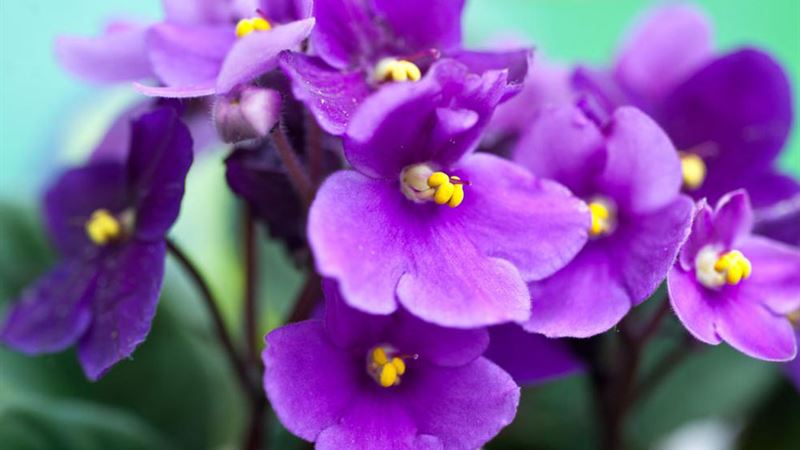
African violets are cherished houseplants known for their vibrant blooms and lush foliage. Proper care is essential for their health and flowering potential. One of the critical factors influencing their growth is light. If the leaves appear deep green and thin, it indicates insufficient light, and the plant needs more exposure. Conversely, if the leaves turn pale or yellow, it suggests overexposure to light, which can hinder growth and reduce flowering. Achieving an optimal light balance involves understanding both intensity and duration. Ideally, African violets should receive 8 to 12 hours of light daily, with no more than 8 hours of darkness. Artificial lighting can serve as an effective substitute when natural light is limited.
Temperature regulation is equally important. These plants thrive in temperatures between 60°F and 70°F (15°C - 21°C). Too hot or cold environments can stress the plant, leading to poor flowering and health issues. During hot summer months, placing African violets in cool, shaded areas helps maintain their ideal temperature range. Consistent temperature control ensures the plant remains healthy and produces blossoms vibrantly.
The foundation of healthy African violets lies in proper soil, container choice, and drainage. A suitable soil mix combines peat moss, vermiculite, and perlite, offering a well-draining, aerated environment. The soil's pH should be maintained around 6.0 to 6.5 to optimize nutrient availability. Pots made of clay or plastic are both suitable, but clay pots facilitate better moisture evaporation, which can be advantageous. Proper drainage holes are critical to prevent waterlogging, which can cause root rot.
Watering practices are crucial yet straightforward. African violets prefer their roots to stay slightly dry rather than consistently wet. Overwatering can lead to root rot and other maladies, so it's essential to water only when the top inch of soil feels dry. Clay pots typically necessitate more frequent watering due to increased evaporation, compared to plastic pots. Consistent but moderate watering, along with careful observation, promotes healthy growth and abundant flowering.
The more you learn about the specific needs of African violets, the better equipped you'll be to nurture them successfully. Continually educate yourself through books, online resources, and expert advice to enhance your care routine. Understanding light, temperature, soil quality, and watering needs ensures your African violets flourish, providing a splash of beauty and color in your home for years to come.