
Top 6 Rapid-Growth Shrubs for Enhancing Privacy in Your Garden
Discover the top six fast-growing shrubs perfect for enhancing privacy in your garden. From lush evergreens to vibrant flowering bushes, these plants offer quick coverage, resilience, and easy maintenance, transforming your outdoor space into a secluded retreat. Learn about their growth habits, ideal conditions, and tips for successful planting to achieve a beautiful, private garden with minimal effort.
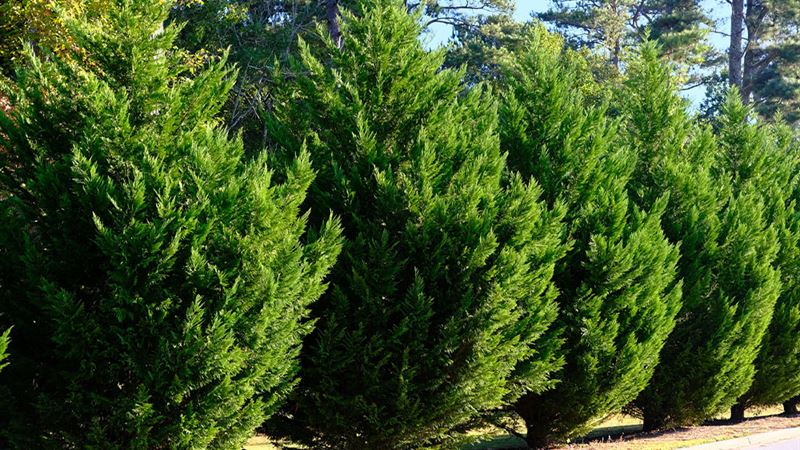
Skip Laurel (Prunus laurocerasus)
Skip laurels are popular for their dense foliage and quick growth, making them an ideal choice for creating natural privacy screens. When fully matured, these evergreen shrubs can reach heights up to 18 feet with a spread of around 7 feet, though the specific dimensions depend on the growing conditions such as soil quality, watering, and sunlight. One of their major advantages is their dense foliage, which effectively blocks sightlines from neighbors or passersby, ensuring your garden remains private. These plants are resilient and adaptable to various climates, including dry regions, and they don’t attract a lot of wildlife, which makes maintenance simpler. Their adaptability to different soil types and sunlight levels allows for flexible planting in numerous settings, from urban backyards to sprawling rural properties. Regular pruning can help maintain desired shape and size, making them a versatile choice for privacy hedges or backdrop planting.
Common Lilac (Syringa vulgaris)
The familiar and highly fragrant lilac bush is more than just a visual delight; it’s also a great privacy shrub that blooms beautifully during spring. Known for its stunning clusters of lavender-colored flowers, the common lilac typically reaches heights of 8 to 15 feet and spreads 6 to 12 feet wide, depending on the variety and growing conditions. Its robust nature allows it to tolerate a range of weather extremes, including temperatures as low as -30°F, making it an excellent choice for colder regions with heavy snowfall. The dense foliage provides substantial coverage, especially when several plants are grouped, and the spring blooms release a captivating fragrance that enhances your garden’s ambiance. Lilacs are relatively low-maintenance, requiring minimal pruning once established, and they flourish in most soil types if provided with adequate sunlight. Their resilience and rapid growth rate make them a favored shrub for homeowner privacy screens, particularly in suburban settings where quick coverage is desired.
Heavenly Bamboo (Nandina domestica)
Despite its name, heavenly bamboo isn’t a true bamboo but a distinctive shrub that offers unique visual appeal through its seasonal color transformations. This shrub is gaining popularity among homeowners for its relatively compact size and year-round interest. It usually reaches a height of just around 3.5 feet, with a similar spread, making it suitable for planting in smaller spaces or as an accent along borders. Its foliage changes color with the seasons—bluish-green in summer, red in spring and fall, and an orangish tint in winter—adding vibrant hues to your landscape throughout the year. The plant’s wide, spreading nature and dense growth habit make it a good candidate for privacy purposes, especially when paired with taller shrubs in the background to increase height. The varying leaf colors also add visual interest, creating a dynamic hedge that offers moderate privacy while enhancing visual diversity. Heavenly bamboo prefers partial shade but can tolerate full sun if the soil is well-drained.
Arctic Willow (Salix arctica)
Arctic willow is known for its remarkable speed of growth and distinctive appearance, making it an excellent choice for creating tall, shady privacy barriers. This shrub can grow quickly to heights up to 15 feet and spread roughly the same width, often forming dense, rounded shapes that are perfect for screening large areas. Their growth habit includes close-to-ground roots that develop into bulbous, halogen-shaped formations, giving them a characteristic appearance often seen along park pathways or natural reserves. Arctic willows prefer full sunlight and thrive in areas with ample space for unrestricted growth. While they need lots of sunlight to flourish, they are adaptable to different soil types, provided they are not overly compacted or waterlogged. One consideration when planting Arctic willow is ensuring adequate sunlight exposure, as insufficient light can stunt growth and reduce their ability to form dense screens. Their rapid growth rate combined with their impressive size makes them a favorite for large-scale privacy planting.
Privet (Ligustrum spp.)
Privets stand out as one of the most resilient, low-maintenance, evergreen shrubs suitable for privacy hedging. They grow quickly and can reach a height of 15 feet and a width of up to 10 feet under optimal conditions. Privets are particularly versatile—they tolerate full sun as well as partial shade, making them ideal for a variety of climates, including regions with shorter daylight hours. Their dense, leafy foliage provides excellent coverage year-round, and they respond well to pruning, allowing homeowners to shape their hedges as desired. During spring and summer, privets produce attractive white flowers that can be followed by fruits, adding ornamental value to the landscape. However, it’s important to note that the flowers and fruits of privets are toxic to humans and pets, so regular maintenance to remove these parts is advisable. Their adaptability, fast growth, and simple maintenance make privets a top choice for those seeking an effective and easy-to-care-for privacy barrier.
Crape Myrtle (Lagerstroemia indica)
For homeowners who prefer a combination of shrub and small tree, crape myrtles offer a brilliant solution. Known for their vibrant and long-lasting flowers that change color—ranging from pink and white to purple—these plants bloom through the hotter months, providing both visual appeal and privacy. Crape myrtles can reach heights up to 15 feet, with some varieties resistant to high temperatures, ideal for warmer climates. Notable options include the heat-tolerant Tonto and Natchez varieties. Their flowering cycle, combined with their tall stature, makes them effective for blocking views and forming natural privacy screens. Beyond their ornamental value, crape myrtles are easy to maintain, drought-tolerant, and adaptable to various soil conditions. When strategically placed with taller, denser shrubs or trees behind, they can contribute significantly to creating an attractive, private landscape. They also serve as focal points, adding a splash of color and visual interest during the blooming season.