
Comprehensive Guide to Shingles Prevention and Treatment Strategies
This extensive guide offers valuable insights into shingles prevention, risk factors, natural remedies, dietary tips, and medical treatments. Emphasizing the importance of vaccination and immune health, it provides strategies for high-risk groups and suggestions to alleviate symptoms naturally. Understanding these measures enables better management and reduces the severity of shingles, significantly improving patient outcomes. Whether you're seeking to prevent shingles or manage its symptoms, this detailed resource empowers you with essential knowledge to safeguard your health effectively.
Preventing Shingles: Steps Towards a Safer Future
- Maintain a Robust Immune System: Building and sustaining a strong immune response is key to preventing shingles. A balanced diet, regular exercise, sufficient sleep, and stress management help in boosting immunity.
- Vaccination is Crucial: The shingles vaccine has proven highly effective in reducing the severity and incidence of the disease. It is recommended for older adults and those with weakened immune defenses.
- Childhood Vaccination: Administering two doses of the chickenpox vaccine to children not only prevents chickenpox but also reduces the likelihood of shingles later in life.
- Adult Vaccination: Even if you never experienced chickenpox, the shingles vaccine is advised, especially for those over 50, to lower the risk of developing the condition.
Identifying High-Risk Groups for Shingles
- Pregnant Women Without Chickenpox History: Expectant mothers who haven't had chickenpox or are unvaccinated should exercise extra caution.
- Infants with Premature or Low Birth Weight: These vulnerable infants have immature immune systems, making them more susceptible.
- Immunocompromised Individuals: People with weakened immune systems due to conditions like HIV/AIDS, undergoing chemotherapy, organ transplant recipients, or those on long-term antibiotics.
- Patients on Immunosuppressants: Such medications dampen immune responses, increasing shingles risk.
- HIV-Infected Persons: The disease severely impacts those with compromised immunity.
Preventing Worsening of Shingles Symptoms
- Protect the Rash: Cover the affected area with a clean cotton cloth to prevent infection and transmission.
- Limit Contact: Avoid contact with vulnerable populations until the rash develops crusts to prevent spreading the virus.
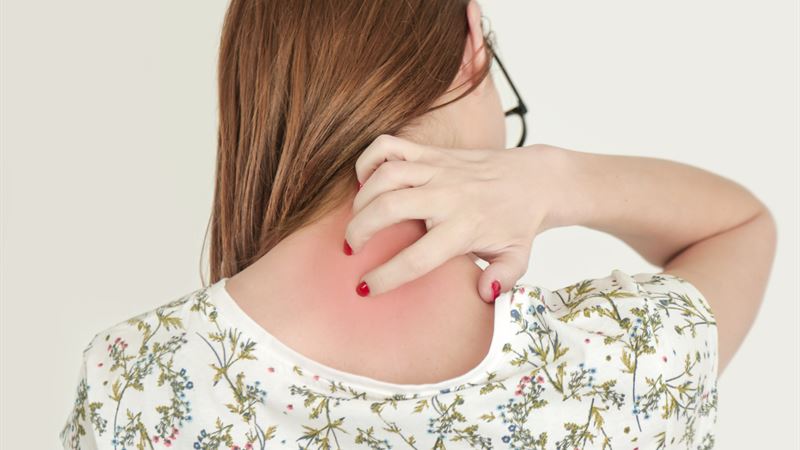
- Avoid Scratching: Resist the urge to scratch or touch the rash to prevent secondary bacterial infections.
- Practice Hygiene: Regular hand washing reduces the risk of spreading the virus to other parts of your body or to others.
Natural and Home Remedies for Alleviating Shingles Discomfort
- Gentle Cleansing: Keeping blisters clean with cool baths or showers helps prevent secondary infections and soothes irritated skin.
- Cool Compresses: Applying moist, cold compresses on the rash area can significantly reduce pain and itchiness.
- Herbal Pastes: Creating pastes with cornstarch or baking soda mixed with water and applying them gently can help ease itching symptoms.
- Topical Lotions: While they don't expedite healing, soothing lotions and creams can improve comfort levels.
Dietary Tips to Support Recovery and Pain Relief
- Consume Immune-Boosting Foods: Incorporate foods rich in vitamins A, C, E, and zinc to reinforce your body's defenses. Examples include oranges, yellow peppers, leafy greens, and nuts.
- Eat Protein-Rich Foods: Including lean meats, eggs, poultry, and fish to support tissue repair and immune health.
- Include Whole Grains and Legumes: They provide essential nutrients and fiber to strengthen overall health.
- Incorporate Anti-Inflammatory Items: Tomatoes, spinach, and berries can help reduce inflammation and discomfort.
To minimize shingles-related pain and complications, it's vital to avoid certain foods that can exacerbate symptoms:
- High-Sugar Foods and Juices: Excess sugar can weaken immune defenses.
- Foods High in Arginine: Chocolate, nuts, gelatin, and certain seeds may promote viral activity.
- Refined Carbohydrates: White bread and pastries can contribute to inflammation.
- High Saturated Fat Foods: Fried foods and fatty cuts of meat should be limited.
Medical Treatment Options for Shingles Relief
- Antiviral Medications: Timely administration of drugs like acyclovir, valacyclovir, or famciclovir can reduce the severity and duration of symptoms if started within three days of rash appearance.
- Pain Management: Over-the-counter options such as acetaminophen, ibuprofen, and naproxen help alleviate discomfort.
- Prescription Treatments: For severe pain, your doctor may prescribe topical creams, patches with lidocaine, or medications like corticosteroids. Antibiotics might be necessary if secondary bacterial infections develop.
- Neuropathic Pain Relief: Tricyclic antidepressants like amitriptyline or gabapentin can help manage nerve pain associated with shingles.
Homeopathic and complementary therapies can sometimes assist in alleviating symptoms. Consider options like melatonin, oregano oil, echinacea, lemon balm, green tea, and essential fatty acids after consulting your healthcare provider.
Who Should Avoid the Shingles Vaccine?
- Individuals allergic to any vaccine component or ingredients.
- People with severely weakened immune systems due to medications or medical conditions.
- Pregnant or breastfeeding women, unless advised otherwise by a healthcare professional.
- Those who have tested negative for immunity to varicella-zoster virus.