
Effective Natural Strategies to Lower Cholesterol Levels Safely
Discover comprehensive natural methods to lower cholesterol effectively. From dietary tips like oats, nuts, and fatty fish to lifestyle changes involving vegetables, whole grains, and plant sterols, this guide offers science-backed insights. Learn how to incorporate these natural strategies into your routine to improve heart health, reduce the risk of cardiovascular disease, and promote overall wellness without medication. Prioritize your heart with simple, sustainable, and natural approaches that deliver long-term benefits.
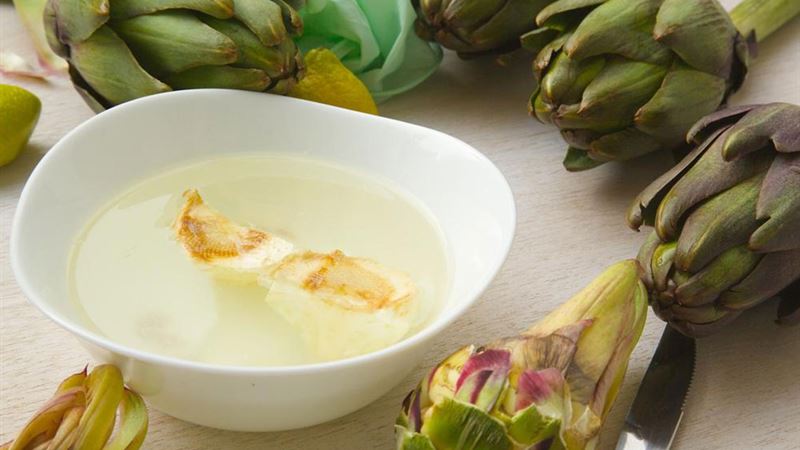
Managing cholesterol levels naturally is a vital aspect of maintaining overall cardiovascular health. Elevated cholesterol, especially low-density lipoprotein (LDL), can lead to plaque buildup in arteries, increasing the risk of heart disease and stroke. Fortunately, numerous dietary and lifestyle changes can help reduce cholesterol efficiently without reliance on medications. Implementing these natural strategies not only improves heart health but also promotes overall well-being. This comprehensive guide explores various effective natural methods to lower cholesterol, backed by scientific evidence and expert recommendations.
- Incorporating Oats into Your Diet
Oats are one of the most researched and recommended foods for cholesterol management. Rich in soluble fiber, oats help reduce LDL cholesterol levels significantly. Starting your day with a bowl of oatmeal can have long-term positive effects on your heart health. Oats not only aid in lowering bad cholesterol but also help stabilize blood sugar levels, making them especially beneficial for people with diabetes. Regular consumption of oats also promotes satiety, assisting in weight management. Oats are versatile and can be prepared in various ways, from traditional porridge to added ingredient mixes, making them an easy addition to your daily routine.
- Choosing Whole Grains for Better Heart Health
Whole grains such as barley, quinoa, brown rice, and wheat are excellent sources of dietary fiber, particularly soluble fiber, which helps control cholesterol levels. Substituting refined grains with whole grains in your meals ensures higher intake of healthy nutrients that support cardiovascular health. Not only do whole grains decrease LDL cholesterol, but they also contribute to better digestion, weight control, and reduced risk of type 2 diabetes. Incorporating a variety of whole grains into your diet can be as simple as swapping white bread with whole wheat or choosing brown rice over white rice.
- Beneficial Vegetables: Okra and Eggplant
Among vegetables, okra and eggplant stand out as rich sources of soluble fiber. These vegetables play crucial roles in lowering LDL cholesterol and removing arterial plaque. The fiber in okra and eggplant binds to cholesterol in the digestive system, preventing its absorption into the bloodstream. Including these vegetables in your diet enhances heart health and supports the body's natural detoxification processes. They can be included in stews, stir-fries, or eaten raw in salads, adding valuable nutrients and fiber to your meals.
- Legumes and Beans for Cholesterol Reduction
Beans such as kidney beans, lentils, chickpeas, and black-eyed peas are rich in soluble fiber and protein, making them an excellent choice for cholesterol management. The slow digestion process of beans leads to longer-lasting satiety, aiding in weight loss and appetite control. Regular consumption of beans has been linked to decreased LDL levels and improved overall lipid profiles. They are culinary versatile, fitting into soups, salads, and main dishes, helping you adopt a heart-healthy diet effortlessly.
- Heart-Healthy Nuts and Seeds
A variety of nuts such as almonds, walnuts, pistachios, and peanuts contain monounsaturated and polyunsaturated fats beneficial for heart health. Consuming a handful of nuts daily—around two to three pieces—can lower LDL cholesterol by approximately 5%. Nuts are also rich in antioxidants, vitamins, and minerals that support cardiovascular function. Incorporating nuts into your snacks or meals can help you achieve a nutrient-dense diet that actively fights cholesterol buildup.
- Plant Sterols and Stanols for Cholesterol Management
Extracted from plants, stanols and sterols interfere with cholesterol absorption in the intestines, lowering circulating LDL. These substances are added to certain foods like fortified margarine, orange juice, and cereals, offering an easy way to incorporate them into your diet. Alternatively, supplements containing plant sterols and stanols are also available. The optimal daily intake is around 2 grams, providing a safe and effective method to support cholesterol reduction efforts naturally.
- Eating Fatty Fish Rich in Omega-3 Fatty Acids
Fish such as salmon, mackerel, sardines, and albacore are high in omega-3 fatty acids, which are known to lower LDL cholesterol and triglyceride levels. Consuming fatty fish two to three times a week can significantly enhance heart health, reduce inflammation, and decrease the risk of abnormal heart rhythms. Fish is an excellent substitute for red meats high in saturated fat. Regular intake supports cholesterol balance and overall cardiovascular resilience.
- Incorporating Soy Products into Your Diet
Soy-based foods like tofu, soy milk, and edamame contain plant compounds that help lower LDL cholesterol. Replacing dairy with soy products is particularly beneficial for vegans and those sensitive to dairy. Studies suggest that consuming about 25 grams of soy daily can reduce LDL cholesterol levels by approximately 5-6%. Soy also provides high-quality protein and essential nutrients, making it a key component in a heart-healthy diet.
- Utilizing Vegetable Oils for Heart Health
Replacing saturated fats like butter with healthier vegetable oils such as sunflower, canola, safflower, and olive oil can significantly impact cholesterol levels. These oils are rich in monounsaturated and polyunsaturated fats, which help reduce LDL and support healthy HDL cholesterol. They are versatile for cooking and dressings, making it easy to improve your diet. Avoiding trans fats and limiting processed foods further enhances cardiovascular benefits.
- Fruits High in Pectin for Cholesterol Control
Fruits such as apples, grapes, strawberries, oranges, and lemons are rich sources of pectin, a soluble fiber that binds cholesterol in the digestive tract, preventing its absorption. Regularly consuming these fruits as part of a balanced diet can lower LDL cholesterol levels naturally. Pectin-rich fruits are delicious, versatile, and packed with vitamins and antioxidants that further promote heart health.
- Fiber Supplements as an Alternative
If dietary fiber from food isn't sufficient or appealing, fiber supplements like psyllium husk can be effective. Taking two teaspoons daily can provide approximately 4 grams of soluble fiber, assisting in lowering LDL cholesterol. These supplements are easy to incorporate into your routine, either mixed with water or added to smoothies, and can support your efforts to maintain healthy cholesterol levels.
Before making any significant changes to your diet or supplement regimen, consult a healthcare professional to ensure suitability and safety. Personal health conditions and allergies should always be considered before adopting new dietary strategies for cholesterol management.