
Comprehensive Guide to Effective Gout Management and Relief Options
Discover an in-depth, comprehensive guide on managing and treating gout. Learn effective immediate remedies, long-term management strategies, lifestyle modifications, and natural home remedies to control pain, reduce flare-ups, and prevent chronic complications. This detailed article offers expert advice on medication use, dietary changes, weight management, and natural therapies such as cherries, ginger, and apple cider vinegar, providing a multi-pronged approach tailored to your needs. Improve your quality of life by adopting these proven gout management tips today.
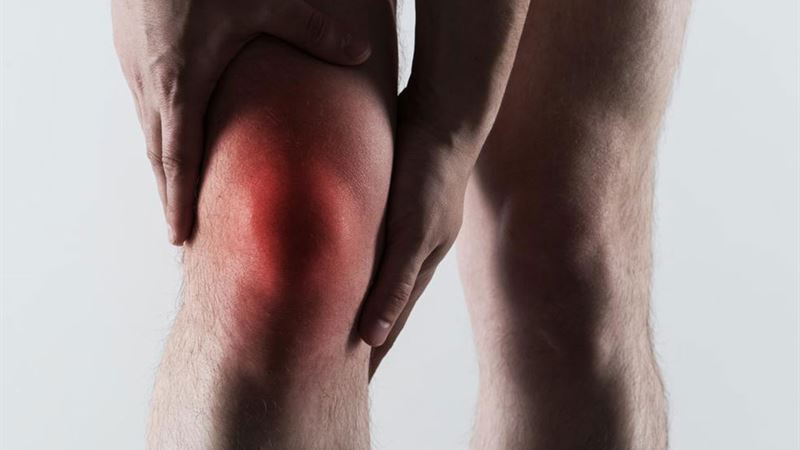
Gout, a form of inflammatory arthritis, is characterized by sudden and intense pain, swelling, and redness in the affected joints. Managing this condition requires a multifaceted approach that combines medical treatments, lifestyle modifications, and natural remedies. In this extensive guide, we will explore various effective strategies to treat acute gout attacks, manage chronic gout, prevent future episodes, and incorporate natural therapies to alleviate symptoms.
Immediate Response to Gout Attacks
When a gout attack occurs, prompt action is essential to minimize pain and swelling. Resting the affected joint is the first critical step; avoid unnecessary movement to prevent exacerbating inflammation. Applying ice packs or cold compresses can significantly reduce swelling and pain, providing immediate relief. It is advisable to elevate the joint to facilitate fluid drainage and decrease inflammation. Over-the-counter non-steroidal anti-inflammatory drugs (NSAIDs), such as ibuprofen or naproxen, often offer quick symptom relief. However, always consult a healthcare professional before starting any medication to ensure proper dosage and safety.
Medication Strategies for Severe and Acute Gout Attacks
In cases of severe gout flare-ups, doctors typically prescribe medications aimed at reducing inflammation and controlling pain. Common drugs include corticosteroids, which can be administered orally, via injection, or as topical treatments to quickly quell inflammation. Colchicine is another medication frequently used for short-term relief during an attack. These medications are effective but often have side effects, so they should only be used under medical supervision. Proper management also involves identifying and avoiding personal triggers that provoke attacks.
Long-Term Management and Prevention of Gout
Long-term management is crucial for preventing recurrent gout episodes and minimizing joint damage. If gout persists without treatment, it can become chronic, affecting multiple joints and leading to joint deformities. Effective long-term care involves pharmacological interventions and significant lifestyle adjustments.
- Managing Uric Acid Levels: The root cause of gout is elevated uric acid in the blood. Medications such as uricosuric agents help accelerate uric acid excretion, while xanthine oxidase inhibitors—like allopurinol and febuxostat—limit uric acid production.
- Dietary Modifications: Reducing intake of foods high in purines—such as red meats, shellfish, and certain fish—is essential. Avoiding alcohol, especially beer, and limiting consumption of sugary beverages can significantly decrease uric acid levels.
- Weight Management: Obesity is a major risk factor for gout. Achieving and maintaining a healthy weight through balanced diet and regular exercise lowers the risk of attacks. Focus on moderate physical activity and avoid crash dieting.
- Exercise and Lifestyle Changes: Incorporate low-impact exercises like walking, swimming, or cycling to improve joint health without risking joint strain. Additionally, stay well-hydrated by drinking plenty of water throughout the day, which aids in flushing uric acid from the body.
Dietary restrictions and lifestyle habits must be discussed thoroughly with your healthcare provider to develop a personalized plan that ensures optimal management and minimal side effects. Certain medications may impact uric acid metabolism, so ongoing monitoring and adjustments are vital.
Natural and Home Remedies for Mild Gout Symptoms
If your gout symptoms are mild or in remission, natural remedies can complement medical treatment and provide additional relief. These remedies focus on reducing inflammation, soothing pain, and improving overall joint health.
- Ginger Root: Known for its potent anti-inflammatory properties, ginger can be incorporated into your diet or applied topically. Preparing a ginger paste involves blending fresh ginger with water and applying it to affected joints for about 30 minutes. Consuming ginger tea or adding grated ginger to meals can also help reduce inflammation from within. Combining dried ginger, turmeric, and fenugreek powders into a tea or powder supplement can provide added anti-inflammatory benefits.
- Cherries and Cherry Products: The antioxidant-rich profile of cherries makes them highly effective against gout symptoms. Eating 15-20 cherries daily or drinking black cherry juice has been shown to help prevent flare-ups. Additionally, adding a few minced garlic cloves to cherry juice enhances its anti-inflammatory effects.
- Apple Cider Vinegar: This popular natural remedy may help alkalize the body and reduce uric acid levels. Mix one teaspoon of raw, unfiltered apple cider vinegar with a glass of water and consume three times daily. If tolerated, the dose can gradually be increased to two tablespoons per serving for enhanced effects. Honey can be added to improve taste and provide additional anti-inflammatory benefits.
- Lemon Juice: Rich in vitamin C, lemon juice aids in lowering uric acid levels and balancing body pH. Mix fresh lemon juice with half a teaspoon of baking soda, allowing the fizzing to subside, then dilute in a glass of water before drinking. Regular consumption of vitamin C-rich fruits like oranges and strawberries can further strengthen joint tissues and reduce the severity of attacks.
- Additional Natural Remedies: Epsom salt baths, garlic consumption, carom seeds, castor oil compresses, and coriander tea are some other natural options that may help alleviate discomfort and promote joint health. Always consult a healthcare professional before trying new natural therapies, especially if you are on medication or have chronic health conditions.
This holistic approach combining medication, diet, lifestyle, and natural remedies offers a comprehensive pathway to managing gout effectively. Consistency, monitoring, and regular consultation with healthcare providers are essential for successful long-term control.