
Comprehensive Strategies for Managing Gout Effectively
Discover comprehensive tips for effectively managing gout, including medical options, dietary advice, natural remedies, and preventive strategies to reduce flare-ups and long-term joint damage. Empower yourself with knowledge to lead a pain-free life.
Understanding Gout and Its Impact
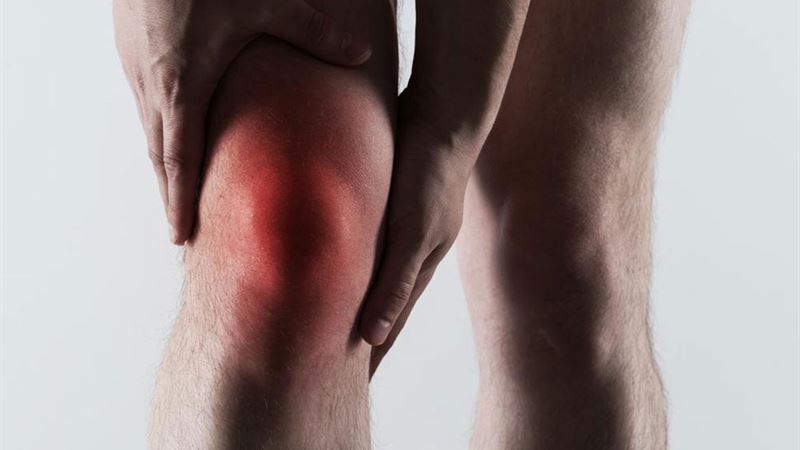
Gout is characterized by sudden and intense pain, redness, and swelling in the affected joint, most commonly in the big toe, ankles, or knees. It develops due to hyperuricemia, a condition where uric acid levels in the blood become elevated, leading to crystal formation within the joints. Over time, this can cause irreversible joint damage and chronic arthritis if left unmanaged.
Recognizing the importance of early diagnosis and treatment is vital. Proper management can help reduce pain, control inflammation, and prevent recurring flare-ups, thereby preserving joint health and improving quality of life.
Medical Treatment Approaches for Gout
- Diagnosis is the initial step—A healthcare professional will examine the affected joint, perform joint fluid analysis to identify urate crystals, and order blood tests to measure uric acid levels. Imaging tests such as X-rays or ultrasound may also be employed to assess joint damage.
- Pharmacological interventions—There are two primary categories of medication used to treat gout:
- Anti-inflammatory drugs—NSAIDs (Non-steroidal anti-inflammatory drugs) like ibuprofen, naproxen, or indomethacin are prescribed to reduce inflammation and relieve pain during acute gout attacks.
- Uric acid-lowering medications—Colchicine, corticosteroids, and drugs such as allopurinol or febuxostat help to decrease uric acid production or increase its excretion, preventing future flare-ups.
These medications are often used in combination based on the severity of the condition and individual patient needs.
In addition to medication, lifestyle changes are crucial to managing gout effectively. Supplementing medical treatment with natural and dietary strategies enhances overall outcomes.
Natural and Lifestyle Modifications to Manage Gout
- Dietary Adjustments—Reducing purine-rich foods is fundamental to lowering uric acid levels. Such foods include red meats, organ meats like liver, shellfish, certain fish (anchovies, sardines), and high-fat dairy products. Instead, focus on eating plenty of vegetables, fruits, low-fat dairy, eggs, and whole grains.
- Limit alcohol and sugary beverages—Alcohol, particularly beer, and drinks sweetened with fructose can significantly elevate uric acid levels and trigger attacks. Switching to healthier beverages like herbal teas or plain water is highly recommended.
- Hydration—Maintaining optimal hydration is vital. Aim for at least 2 to 4 liters of water daily to promote kidney function and facilitate uric acid excretion.
- Weight Management—Obesity is a significant risk factor for gout. Achieving and maintaining a healthy weight through balanced diet and regular exercise can reduce the frequency and severity of attacks.
- Cold Therapy—Applying cold compresses to the inflamed joint can rapidly diminish pain and inflammation. Use an ice pack wrapped in a cloth for 15-20 minutes several times a day during flare-ups.
- Home Remedies and Natural Treatments—Several natural remedies may provide relief when combined with conventional treatments:
- Apple Cider Vinegar: Known for its anti-inflammatory properties, dilute half a cup of raw apple cider vinegar in a liter of warm water and soak the affected limb. Some also drink small amounts diluted in water to help mitigate symptoms.
- Ginger: Scientific evidence supports ginger’s anti-inflammatory effects. Applying ginger paste topically or consuming ginger tea can reduce joint pain and inflammation.
- Turmeric: Curcumin, the active component of turmeric, has potent anti-inflammatory properties. Incorporate turmeric into your meals or prepare turmeric tea for natural relief.
- Cherries: Rich in antioxidants and anthocyanins, cherries are renowned for lowering uric acid levels. Consuming fresh cherries or cherry extract daily can help prevent gout attacks.
- Vitamin C: Adequate intake of vitamin C through diet or supplements can lower uric acid concentrations in the blood, reducing the risk of gout.
Precautions and When to Seek Medical Advice
Although home remedies and lifestyle modifications can significantly help in managing gout, persistent or severe pain warrants professional medical evaluation. Ignoring symptoms can lead to joint erosion, deformity, and chronic arthritis. Always consult a healthcare provider for an accurate diagnosis and personalized treatment plan, especially if gout attacks become frequent or severe.
Preventive Strategies for Long-term Management
- Continuous monitoring—Regular check-ups and blood tests to track uric acid levels are essential for ongoing management.
- Medications adherence—Follow your healthcare provider’s instructions diligently regarding prescribed medications.
- Stress management—Stress can exacerbate gout symptoms; adopting relaxation techniques like yoga or meditation can be beneficial.
- Exercise—Engaging in moderate physical activity helps maintain healthy weight and reduces joint stiffness.
- Educational awareness—Understanding triggers and early symptoms aids in prompt response, minimizing pain and damage.
By integrating these strategies, individuals can effectively manage gout, prevent future flare-ups, and lead active, healthy lives.
In conclusion, managing gout involves a comprehensive approach that combines medical supervision, dietary control, natural remedies, and lifestyle adjustments. Staying informed and proactive can make a significant difference in controlling this painful condition, ensuring better health and well-being in the long run.