
Understanding the Leading Causes of Hair Loss and Effective Remedies
Discover the primary causes of hair fall, including genetics, hormonal issues, lifestyle choices, and environmental factors. Learn effective natural remedies, lifestyle tips, and advanced medical treatments like Stem Cell Therapy to promote healthy hair growth. This comprehensive guide offers insights on preventing hair loss and maintaining luscious, strong hair for life.
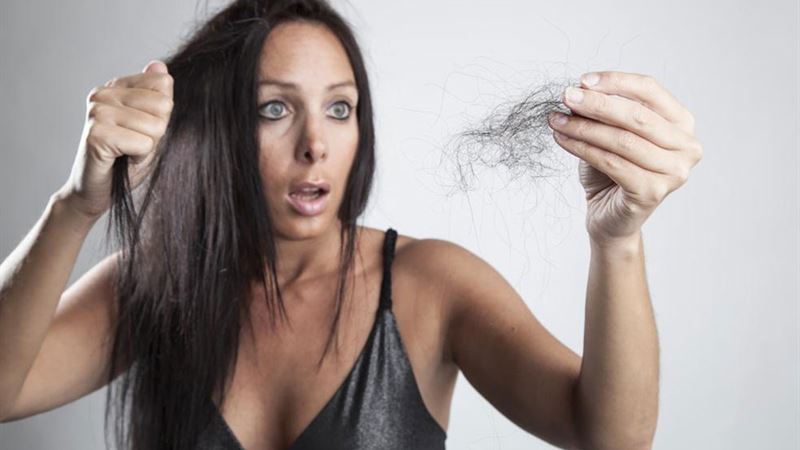
Hair thinning and baldness are common issues that affect individuals worldwide, impacting confidence and overall appearance. The causes of hair fall are multifaceted, ranging from genetic predispositions to hormonal imbalances, lifestyle choices, and external factors like stress and environmental conditions. While hair loss can be distressing, understanding its root causes and exploring natural and medical treatments can significantly improve hair health and prevent further loss. In this comprehensive guide, we delve into the primary causes of hair fall, preventive measures, and advanced treatment options to promote healthier hair growth.
Hair loss is a phenomenon that has intrigued humans for centuries. It affects men and women across all age groups, often triggering emotional distress and self-esteem issues. The reasons behind hair loss are intricate, involving genetic, hormonal, nutritional, and environmental factors. Recognizing the underlying causes is crucial to addressing hair thinning effectively. This article explores the common reasons behind hair fall, tips for maintaining healthy hair, and modern treatment modalities that have helped many regain their hair vitality.
Genetics play a significant role in hair loss, especially in cases of androgenetic alopecia, commonly known as male and female pattern baldness. This hereditary condition leads to progressive hair thinning over time and is characterized by receding hairlines and thinning crown areas. If your family has a history of hair loss, chances are higher that you might experience similar patterns. Fortunately, early diagnosis and appropriate interventions can slow down this process.
Hormonal fluctuations are another prominent cause of hair fall. Conditions such as thyroid imbalances, polycystic ovary syndrome (PCOS), and changes during pregnancy or menopause can disrupt hormonal levels, resulting in increased hair shedding. Thyroid hormones regulate many body functions, including hair growth cycles. When these hormones are out of balance, hair follicles can weaken, leading to hair thinning or loss.
Lifestyle choices significantly influence hair health. Poor nutrition, inadequate protein intake, excessive consumption of processed foods, and dehydration can deprive hair follicles of essential nutrients, weakening hair from root to tip. Moreover, habits like smoking, excessive alcohol consumption, and high-stress levels can exacerbate hair fall. Managing these factors by maintaining a balanced diet, staying hydrated, and minimizing stress can have a positive impact on hair vitality.
External factors, including hairstyling routines and environmental exposure, also contribute to hair damage. Frequent use of heating tools like straighteners, curling irons, and blow dryers can cause overheating and breakage. Using harsh chemical treatments such as bleaching, perming, or coloring may weaken hair shafts and make hair more prone to fall. Additionally, exposure to pollution and environmental toxins can deteriorate scalp health, further promoting hair loss.
Stress is a notorious contributor to hair loss, often resulting in a condition known as telogen effluvium, where a large number of hair follicles enter the resting phase prematurely. Chronic stress can disrupt the natural hair growth cycle, leading to diffuse shedding across the scalp. Incorporating stress management techniques such as meditation, yoga, and regular exercise can help maintain hormonal balance and support healthy hair growth.
For those experiencing persistent hair loss, medical treatments offer promising solutions. One innovative approach gaining popularity is Stem Cell Therapy for hair regeneration. This non-invasive procedure involves harvesting stem cells from the patient's own body, usually from fatty tissues or blood, and injecting them into the scalp. These stem cells stimulate dormant hair follicles and promote new hair growth by enhancing cellular regeneration. The entire process typically spans three to four months, with noticeable improvements observed over time. Stem Cell Therapy is safe, effective, and suitable for both men and women dealing with various degrees of hair thinning.
Alongside advanced treatments, natural remedies can also play a vital role in maintaining hair health. Regular scalp massages with essential oils like coconut, castor, or rosemary can improve blood circulation and nourish hair roots. Incorporating vitamins and minerals such as biotin, iron, zinc, and omega-3 fatty acids into your diet supports the hair growth cycle. Consuming a diverse range of nutrient-rich foods, including vegetables, fruits, lean meats, nuts, and seeds, provides the building blocks for strong, healthy hair.
Practicing good hair care habits is essential. Avoid excessive styling, reduce the use of chemical products, and give your hair regular breaks from heat appliances. Using mild, sulfate-free shampoos and conditioners preserves scalp health and prevents further damage. Additionally, adopting a healthy sleep routine—aiming for 7 to 8 hours of quality sleep—helps regulate hormonal levels and reduces stress, further benefiting hair growth.
In conclusion, understanding the causes of hair fall—from genetics and hormonal imbalances to lifestyle and environmental factors—is critical in managing and preventing hair loss. Combining natural remedies, healthy lifestyle adaptations, and medical treatments like Stem Cell Therapy can significantly improve hair density and strength. Seeking professional advice from a dermatologist ensures a tailored approach to your specific needs, leading to better outcomes and restored confidence. Your journey to healthier, fuller hair begins with awareness and proactive care.