
Comprehensive Strategies for the Prevention and Management of Atopic Dermatitis
This comprehensive guide explores the latest therapies and practical tips for managing atopic dermatitis, emphasizing preventive care, lifestyle adjustments, and medical treatments to help individuals maintain healthy skin and reduce flare-ups. Strategies include topical, systemic, light-based therapies, and daily skin care routines, with tailored advice to prevent complications like perioral dermatitis, ensuring holistic management of this chronic skin condition.
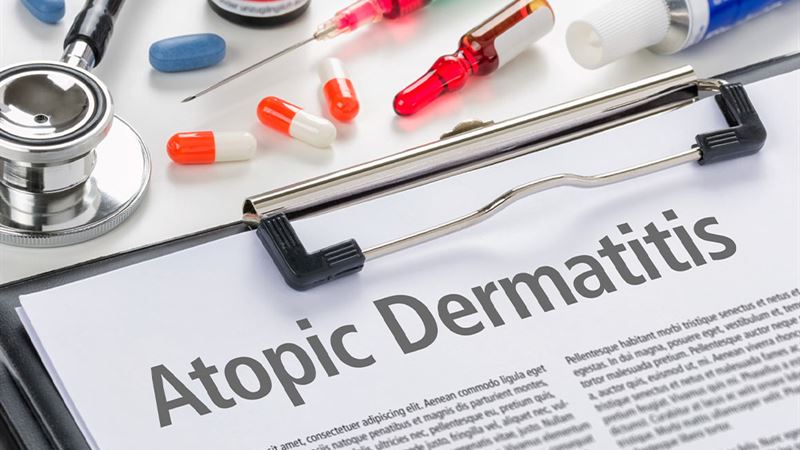
Understanding the treatment options for atopic dermatitis is crucial for effective management. These options range from topical applications to advanced therapies, each serving specific purposes based on the severity and individual response. The goal is to soothe inflammation, reduce itching, prevent infection, and restore skin health. Let's explore each treatment category in depth to understand how they contribute to managing this condition better.
Topical Medications
The cornerstone of most atopic dermatitis treatments involves topical therapies. Corticosteroid creams and ointments are frequently prescribed to diminish inflammation and relieve itching. These medications can range from low-potency to high-potency formulations, tailored to the affected area's severity and location. It is vital to follow the healthcare provider’s instructions to minimize side effects like skin thinning. For patients seeking alternatives, calcineurin inhibitors such as tacrolimus and pimecrolimus are effective prescription creams especially useful in sensitive areas like the face and neck. These medications help modulate immune responses and reduce flare-ups.
When bacterial infection is evident—indicated by oozing, crusting, or cracks—antibiotic creams or ointments are often prescribed. These help treat secondary infections that can complicate eczema, promoting faster healing. Proper application, typically after moisturizing, enhances the effectiveness of these medications. Patients should be vigilant about potential side effects and consult their healthcare provider for optimal usage.
Oral Medications
In cases where topical treatments are insufficient or when the disease is more widespread, oral medications come into play. Antibiotics are commonly prescribed when bacterial infections are involved, especially in cases with persistent oozing and crusting. Antihistamines are another important class used to combat allergic reactions, reduce hives, and alleviate discomfort caused by itching, especially during flare-ups or at night.
Moreover, oral corticosteroids might be necessary for severe or stubborn cases of eczema. These are prescribed for short durations to quickly control inflammation, but they are not suitable for long-term use because of potential systemic side effects like immune suppression, weight gain, and hormonal imbalance. Patients should work closely with their clinicians to weigh benefits against risks when considering oral steroid therapy.
Biologic Therapies
Recent advances have expanded the treatment horizon with FDA-approved biologic medications, particularly for individuals with severe atopic dermatitis resistant to conventional therapies. These injectable biologics, such as dupilumab, target specific pathways involved in immune response modulation, significantly reducing inflammation, itching, and skin lesions. While these therapies tend to be costly, they offer hope for patients who have exhausted other options and have limited response to topical or oral treatments. It's essential to assess the potential benefits with healthcare providers to determine suitability and safety.
Phototherapy and Light-Based Treatments
For patients who do not respond well to topical or systemic medications, phototherapy has emerged as an effective alternative. This treatment involves exposing the affected skin to carefully controlled doses of natural sunlight or artificial ultraviolet (UV) light—primarily UVA and narrow-band UVB. The process helps reduce inflammation, decrease skin cell proliferation, and restore immune balance. Multiple sessions are often required, and treatments should be administered by trained dermatologists to minimize risks like skin aging and carcinogenesis.
Complementary and Supportive Therapies
Addressing the emotional and psychological impact of atopic dermatitis is equally vital. Many sufferers experience social withdrawal or emotional distress due to visible skin lesions. Consulting mental health professionals such as therapists or counselors can help patients cope better and improve their overall quality of life. Techniques like relaxation therapy, biofeedback, and behavioral modification may reduce compulsive scratching and stress-related flare-ups, creating a more comprehensive management plan.
Implementing preventive strategies is equally important to minimize flare-ups and manage symptoms proactively. These strategies include meticulous skin care routines, allergen avoidance, and lifestyle adjustments that promote skin barrier health and reduce triggers.
Skin Care and Moisturization
Your skin barrier plays a crucial role in defending against irritants and allergens. Regularly applying emollients such as creams, lotions, or ointments helps lock in moisture, preventing dryness and flakiness that exacerbate eczema. Petroleum jelly is a safe and effective moisturizer, especially for infants or individuals with sensitive skin at high risk for dermatitis.
Trigger Avoidance
Various environmental and dietary factors can trigger eczema flare-ups. Common irritants include harsh soaps, detergents, fragrances, pollen, dust mites, and sweat. Certain foods like milk, soy, eggs, and wheat are known to provoke reactions in some individuals, particularly children. Maintaining a detailed diary to identify personal triggers helps in creating an effective avoidance plan. Consulting with allergy specialists can further help identify specific food or environmental allergies, enabling targeted interventions.
Bathing Practices
Proper bathing routines are vital in managing atopic dermatitis. Long, hot showers strip the skin of its natural oils, leading to increased dryness and irritation. Experts recommend short baths—about 10 to 15 minutes—using lukewarm water. Adding a half-cup of diluted household bleach to bathwater can reduce bacterial colonization and prevent infections, but such measures should always be discussed with a healthcare provider first. Immediate gentle patting with a soft towel and applying emollients while the skin remains damp help seal in moisture effectively.
Gentle Cleansing
The choice of soap profoundly impacts skin health. Fragrant, antibacterial, or harsh soaps tend to strip away protective oils, worsening dryness. Opt for mild, fragrance-free cleansers that preserve the skin's natural barrier. After bathing, pat the skin dry rather than rubbing, and apply moisturizers immediately to lock in hydration. Consistent skincare routines are essential in maintaining healthy skin and reducing flare-ups.
Perioral Dermatitis in Atopic Patients
Some individuals with atopic dermatitis develop perioral dermatitis, characterized by a rash around the mouth, nose, and sometimes the eyes. Predominantly affecting women aged 20 to 45, this condition may result from the overuse of topical steroids, irritating skincare products, or inhaled medications like asthma inhalers. The rash appears as small, red papules or pustules and can be itchy or flaky.
Managing Perioral Dermatitis
Treatment involves the use of immunosuppressive ointments, topical or oral antibiotics, and lifestyle changes. Reducing the application of steroid creams and avoiding heavy cosmetics can aid healing. Maintaining proper hygiene by washing towels and pillowcases regularly in hot water helps reduce bacterial loads. Dietary modifications—such as avoiding spicy, salty, or allergenic foods—also support recovery. Collaborating with healthcare providers ensures a tailored management plan that addresses both eczema and perioral dermatitis effectively.