
Comprehensive Guide to Effective Treatments for Atopic Dermatitis
This extensive guide offers detailed insights into treatments for atopic dermatitis, emphasizing the importance of choosing the right creams, ointments, and products to soothe and heal affected skin. It provides clear recommendations and tips for managing eczema effectively, helping sufferers find relief and restore skin health.
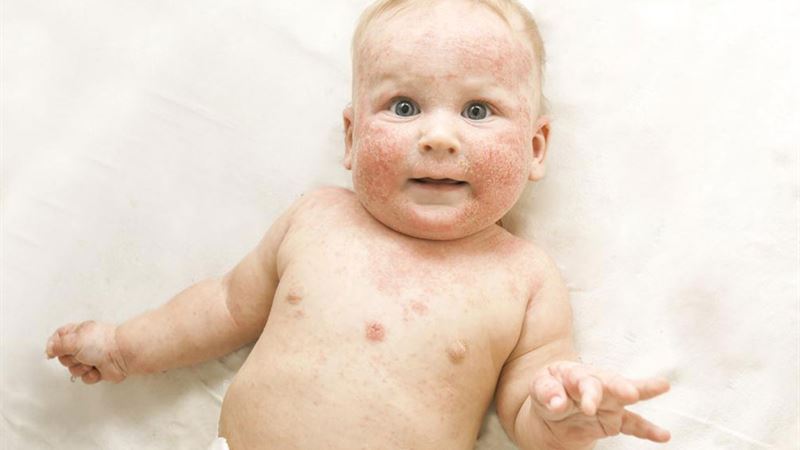
Atopic dermatitis, commonly known as eczema, is a chronic skin condition characterized by inflammation, dryness, itching, and redness. Managing this complex disorder requires a nuanced understanding of available treatments tailored to individual needs. While moisturizers are a cornerstone of therapy, not all products are equally effective or suitable for every patient. In this comprehensive guide, we will explore various topical treatments including creams, ointments, and other options to help alleviate symptoms and improve skin health.
Many individuals suffering from atopic dermatitis find that lotions are not the most effective option for managing their condition. Due to their lighter composition and higher water content, lotions tend to provide only superficial relief and may not offer sufficient hydration or barrier protection needed for persistent eczema. Instead, targeted topical treatments such as creams and ointments are more commonly recommended by dermatologists for effective symptom control.
- Creams: Creams are a balanced mixture of oil and water, making them suitable for daily use in managing eczema. They tend to be lighter than ointments yet contain enough emollient properties to hydrate and soothe dry, irritated skin. However, because the oil content in creams is higher than that in lotions, they offer enhanced moisturizing effects, which are crucial in eczema care. Nonetheless, some creams may include stabilizers or preservatives designed to prevent separation of ingredients. These additives, while functional, can sometimes cause adverse skin reactions such as irritation or allergic responses, especially in sensitive individuals. It's essential to consult with a healthcare professional to choose the most appropriate cream for your specific condition and skin sensitivity.
- Ointments: Ointments are semi-solid, greasier topical formulations with minimal or no water content. They are typically thicker and more emollient than creams or lotions, making them particularly effective for severe eczema flare-ups. Since they contain a high proportion of oils or fats, ointments form a protective barrier on the skin’s surface, locking in moisture, reducing inflammation, and preventing allergen or irritant penetration. Petroleum jelly, also known as petrolatum, is one of the most commonly used ointments with zero water content, providing an occlusive layer that inherently promotes faster healing. Some ointments may contain small amounts of water or additional ingredients to ease spreadability and absorption. These formulations tend to be more effective in managing persistent dry patches, cracking, and itching associated with atopic dermatitis.Choosing the right topical treatment depends on the severity of the condition, skin type, and sensitivity. Consulting a healthcare provider ensures that you select products that are safe and appropriate for your skin. Here are some of the most effective and widely recommended products for eczema management:
- Aquaphor Advanced Therapy Healing Ointment
- Aveeno Eczema Therapy Moisturizing Cream
- Eucerin Eczema Relief Body Cream
- CeraVe Eczema Soothing Body Wash
- SheaMoisture African Bath Soap Eczema and Psoriasis Therapy
- First Aid Beauty Ultra Repair Lotion
- Neosporin Eczema Essentials Daily Moisturizing Cream
While these products can significantly improve skin condition, it is crucial to follow your doctor’s guidance for choosing the right treatment plan. Managing atopic dermatitis often involves integrating various approaches, including avoiding triggers, maintaining skin hydration, and employing topical therapies suited to your specific needs. Persistent eczema may be uncomfortable and sometimes painful, but with proper treatment, relief and skin healing are achievable. Regular care, combined with professional advice, can help keep symptoms under control and improve quality of life.