
Advanced Laser Therapy for Nail Fungus Eradication
Learn about the modern laser treatments for nail fungus, including how they work, advantages over traditional surgery, and what to expect during the procedure. Discover how fractional CO2 lasers provide precise, effective solutions for stubborn infections.
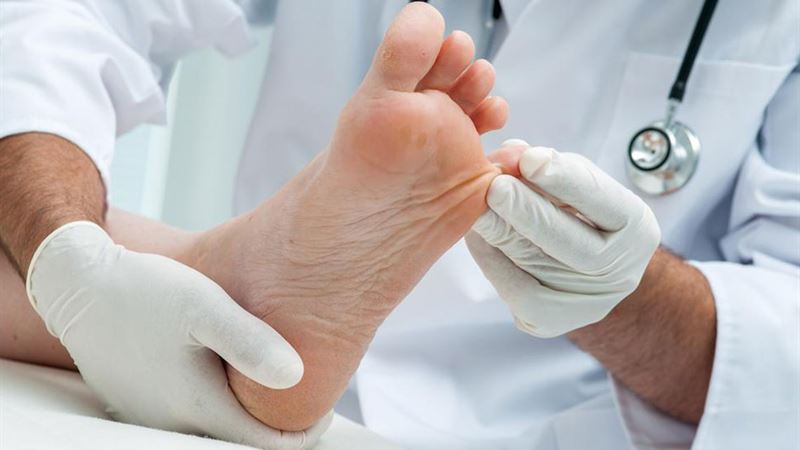
Traditional Surgical Procedures: Historically, managing stubborn nail fungal infections often involved invasive surgical methods. These procedures could reach deep into the nail tissue where topical treatments couldn't penetrate effectively. Surgeons would often use techniques to remove or medicatively treat infected nail parts, but these methods were often associated with discomfort, longer recovery times, and sometimes, incomplete eradication of the fungus. The emergence of laser technology, however, offers a minimally invasive alternative that simplifies the treatment process and enhances patient comfort.
How Laser Therapy Works: Laser treatments for nail fungus operate by emitting concentrated light energy at specific wavelengths optimized for fungal destruction. The laser's energy is absorbed by the infected nail tissues, converting to heat. This localized heating destroys the fungal colonies without major damage to surrounding healthy tissue. This precise targeting is what makes laser therapy both effective and safe. Laser treatment typically requires fewer sessions compared to traditional therapies, making it a preferred choice for those seeking quick relief.
Use of Fractional Carbon Dioxide Laser: One of the most sophisticated forms of laser therapy involves fractional carbon dioxide (CO2) lasers. These lasers work by creating microscopic zones of controlled damage within the nail and underlying tissue, effectively burning through the nail plate to allow better penetration of antifungal agents. This method not only eradicates the fungi but also stimulates healing and regeneration of the nail tissue. Because fractional CO2 lasers are highly precise, they minimize collateral damage and promote rapid recovery.
While laser therapies mark significant advancements over traditional treatments, it is essential to recognize that the technology involved makes these procedures comparatively costly. Nevertheless, the benefits of reduced pain, quicker results, and higher success rates often justify the investment for many patients. Proper consultation with a healthcare professional can help determine candidacy for laser fungal treatment and set realistic expectations for outcomes.