Discover expert insights into diagnosing, treating, and preventing toenail fungus. Learn about effective medical and home remedies, surgical options, and practical tips to maintain healthy nails and avoid common fungal infections. Early intervention and proper foot hygiene are key to preventing the spread and ensuring quick recovery for toenail health.
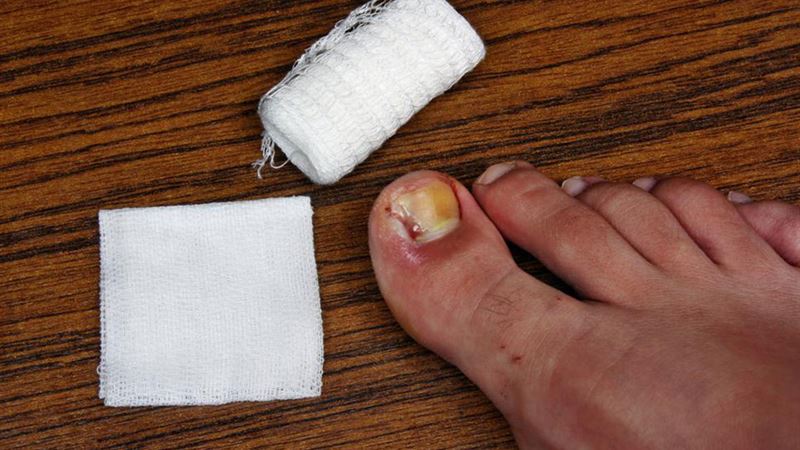
Toenail fungus is a common condition that affects many individuals worldwide. It often begins subtly but can lead to more severe issues if left untreated. The key to managing this condition lies in early diagnosis, effective treatment, and strict preventative measures. People with compromised immune systems, diabetics, athletes, and smokers are particularly vulnerable to developing toenail fungal infections. Understanding the symptoms, available treatment options, and preventive strategies is crucial for maintaining healthy toenails and overall foot health.
Recognizing the Symptoms of Toenail Fungus
Identifying toenail fungus early can significantly improve treatment outcomes. Initial signs often include discolored, thickened, and warped nails. These nails may appear yellowish or brown, and in some cases, develop white spots that expand across the nail surface. Over time, the infected nail can become brittle and crumble easily, and may even lift from the nail bed. Deformation can cause discomfort or pain, especially when wearing shoes or walking. In advanced cases, the fungus can spread to the skin around the toenails, leading to further complications such as redness, swelling, or dermatitis. Recognizing these symptoms promptly can help prevent the spread and facilitate timely intervention.
Effective Methods for Treating Toenail Fungus
Many individuals overlook early signs of toenail fungus because the condition often appears as a cosmetic issue rather than a painful one. However, if left untreated, it can cause significant damage to the nails and surrounding tissue. Fortunately, numerous treatment options are available, ranging from topical applications to surgical procedures, depending on the severity of the infection.
Prescription Oral Antifungal Medications
Oral antifungal drugs are often prescribed by healthcare providers to combat persistent or severe cases of toenail fungus. These medications assist in promoting the growth of new, healthy nails by eliminating the infection from within. Treatment duration varies, often lasting several weeks to months, depending on the extent of infection and patient response. While effective, they require medical supervision due to possible side effects like liver toxicity or drug interactions. Patients with underlying health conditions or those taking other medications should consult their healthcare provider before initiating systemic antifungal therapy.
Medicated Nail Polishes and Lacquers
Topical antifungal agents, such as medicated nail lacquers, provide another avenue for treatment. Ciclopirox is a common medication prescribed for fungal nail infections. The application involves painting the polish over the infected nail daily or a few times per week, sometimes combined with removing the coating with alcohol to enhance absorption. This process typically continues for several months, often up to a year, to eradicate the infection completely. Consistent application and adherence to the prescribed regimen are critical for success. Users should follow their doctor’s instructions carefully to achieve the best results.
Topical Antifungal Creams and Lotions
Antifungal creams are another form of treatment that can be applied directly to the affected nails and surrounding skin. These creams are often used after softening the nails with urea-based lotions, which help the medication penetrate deeper into the nail bed. Proper nail preparation prior to application enhances the effectiveness of antifungal creams. Regular use over several weeks can significantly reduce fungal presence, restore nail health, and prevent recurrence.
Home Remedies and Natural Treatments
Several home remedies have gained popularity for managing toenail fungus at its early stages or alongside medical treatments. Olive oil possesses natural antifungal and antimicrobial properties, making it a useful topical application. Similarly, Vicks VapoRub contains eucalyptus oil and camphor, which may inhibit fungal growth when applied regularly to the infected toenail. Vinegar, especially apple cider vinegar, can create an acidic environment unfriendly to fungi when used as a soak or topical treatment. Garlic, recognized for its potent antibacterial and antifungal capabilities, can be incorporated into treatments or applied as a paste. Although promising, these remedies lack extensive scientific backing and should be used cautiously and in conjunction with medical advice.
Surgical and Advanced Treatment Options
For stubborn or extensive infections, surgical intervention often becomes necessary. Partial or complete removal of the infected toenail allows direct access to eradicate the fungus and facilitate healing. Although toenails take a long time to regrow—sometimes years—the procedure effectively eliminates persistent infections. Beyond surgery, modern therapies utilizing laser technology and light-based treatments offer promising results. These methods target fungal cells with intense light or heat energy, destroying the infection without invasive procedures. However, such treatments can be costly and are not always widely available, so consulting a podiatrist or dermatologist is advisable to determine suitability.
Preventative Strategies to Ward Off Toenail Fungus
Prevention remains the best strategy to avoid toenail fungal infections. Since fungi thrive in warm, moist environments, maintaining dry and clean feet is essential. Wearing breathable footwear and moisture-wicking socks helps reduce dampness around the toes. Avoid using synthetic socks for prolonged periods and change them daily. Shoes should be aired out overnight to prevent fungal growth. Disinfecting footwear regularly with antifungal powders or sprays further reduces risks. Pool or gym shoes can harbor fungi; therefore, wearing flip-flops or sandals in communal showers or locker rooms offers additional protection.
Proper foot hygiene also plays a vital role. Wash your feet daily with soap and water, ensuring thorough drying, especially between the toes. Avoid walking barefoot in contaminated areas and keep toenails trimmed and filed to prevent injury. Be cautious not to damage the nail bed, as trauma makes it more susceptible to infection. During manicures or pedicures, avoid cutting cuticles, which serve as natural defenses against fungi and bacteria. Using sterile tools and avoiding shared nail equipment can significantly limit the chances of infection. Lastly, paying attention to general health—such as controlling blood sugar levels and boosting immunity—can help your body fend off fungal invasions.
Regular foot inspections, early treatment of any minor nail changes, and adherence to hygiene practices are the pillars of effective prevention. If you suspect toenail fungus, consulting a healthcare professional promptly ensures proper diagnosis and swift intervention, ultimately safeguarding your foot health and overall well-being.
