
Comprehensive Strategies for Effective Toenail Fungus Treatment
This comprehensive guide provides detailed insights into toenail fungus, including causes, symptoms, diagnosis, traditional and natural treatment options, and preventive strategies. It emphasizes the importance of early detection and professional care to effectively eliminate infections and protect nail health for the long term.
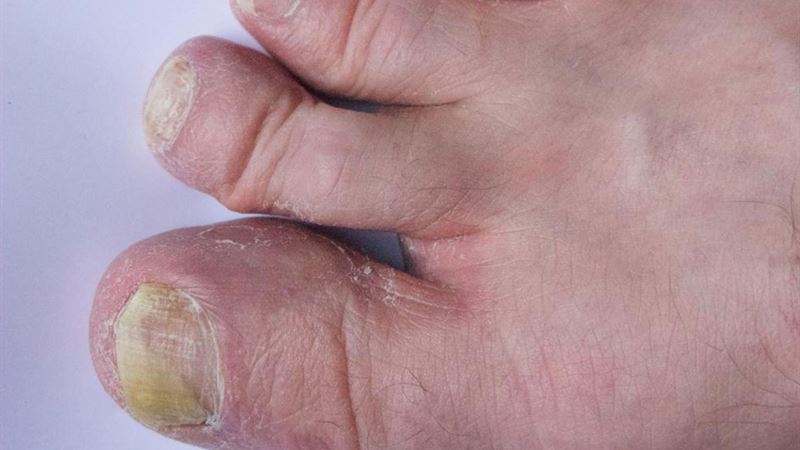
Toenail fungus, medically known as onychomycosis, is a common and often stubborn condition that affects many individuals worldwide. It is characterized by the growth of fungi beneath or within the nail bed, leading to discoloration, thickening, brittleness, and sometimes pain. Recognizing the early signs is crucial for effective intervention, but initial symptoms can be subtle, making diagnosis a challenge. This article provides an in-depth overview of toenail fungus, its causes, preventive measures, and comprehensive treatment options to help you regain healthy nails and prevent future infections.
Understanding Toenail Fungus: Causes and Risk Factors
Toenail fungus thrives in warm, moist environments, making your everyday surroundings and personal habits critical factors in its development. Fungal spores are microscopic particles that can survive on surfaces, making contact with contaminated footwear, towels, or floors a potential infection source. The fungus often exists harmlessly in small quantities but becomes problematic when it gains a foothold under the nail.Common causes include walking barefoot in locker rooms, swimming pools, or public showers, using contaminated nail tools, or wearing poorly sanitized shoes. Sweaty feet create an ideal environment for fungal growth. Men tend to be more susceptible due to occupational or lifestyle factors, but women are not immune. Family history can also play a role, as genetic predispositions may increase vulnerability. Additionally, underlying health conditions like diabetes, immune deficiencies, or circulatory problems can impair the body's ability to fight off infections, making toenail fungus more likely.
Symptoms and Early Detection
Typical signs include nail discoloration (usually yellow, brown, or white), thickening of the nail, crumbling edges, and changes in nail shape. The affected nail may also emit a foul odor and become painful when pressed. Early detection is often difficult because initial symptoms resemble minor nail injuries or dirt accumulation. However, persistent nail changes should prompt consultation with a healthcare professional to establish an accurate diagnosis and begin appropriate treatment.Medical Evaluation and Diagnosis
A podiatrist or dermatologist will inspect the affected nails and may take a sample for laboratory testing. These tests—such as microscopy, fungal culture, or polymerase chain reaction (PCR)—help confirm the presence of fungi and identify the specific type, guiding targeted therapy. Accurate diagnosis ensures effective treatment and prevents unnecessary use of medications that might be ineffective.Conventional Treatment Options: Medical and Over-the-Counter Approaches
The primary goal of treating toenail fungus is to eliminate the infection and restore the nail's health. Depending on severity, treatment strategies vary from topical applications to systemic medications. The choice of therapy depends on the extent of infection, patient health, and response to initial treatments.- Oral Antifungal Medications: These are considered the most effective, especially for advanced or stubborn infections. Commonly prescribed drugs include terbinafine, itraconazole, fluconazole, and griseofulvin. These medications work by inhibiting fungal growth from within the body and are usually taken over several months. While effective, they require medical supervision due to potential side effects like liver toxicity or drug interactions.
- Topical Treatments: Topical antifungal solutions, such as medicated nail paints, oils, or creams, are applied directly to the affected nails. Products like medicated nail lacquers contain active ingredients designed to penetrate the nail plate and eradicate fungi. Proper nail trimming and cleaning are prerequisites for these treatments. They are generally less invasive but may be less effective for severe infections and often require prolonged use over many months.
- Combination Therapy: Sometimes, a combination of systemic and topical therapies yields the best results, especially in persistent cases. This approach leverages the strengths of both treatments but should be supervised by a healthcare professional.
Natural and Alternative Remedies for Toenail Fungus
Many people seek natural remedies to complement conventional treatment or as standalone options for mild infections. While scientific evidence varies, several herbal and home remedies have shown promise in controlling fungal growth.- Snakeroot Extract: Derived from the plant Ageratum species, snakeroot has antifungal properties and is available in medicated nail paints or topical solutions. Clinical studies indicate its effectiveness in reducing fungal presence when used consistently over time.
- Antifungal Oils: Tea tree oil, oregano oil, olive leaf extract oil, and ozonized oil possess natural antifungal and antiseptic properties. These oils can be dabbed directly onto the affected nail after proper cleaning. Caution should be exercised due to the possibility of allergic reactions. Diluting essential oils before application is advisable.
- Vinegar and Home Solutions: Apple cider vinegar and white vinegar are traditional remedies believed to create an acidic environment inhospitable for fungi. Soaking the affected nails in vinegar solutions for 15-20 minutes daily is a common practice, though scientific support is limited.
- Garlic: Known for its antimicrobial properties, crushed garlic or garlic oil can be applied topically. Consuming raw garlic or garlic supplements may also bolster the body's immune response against fungi.
Additional Home Remedies and Lifestyle Tips
Besides topical applications and oral medications, lifestyle modifications play a vital role in managing and preventing toenail fungus. Maintaining proper foot hygiene by washing feet daily, thoroughly drying them, and wearing moisture-wicking socks reduces fungal growth. Regularly disinfecting shoes, avoiding sharing footwear, and opting for breathable footwear can significantly lower infection risk.Preventative Measures: Key to Long-Term Health
Prevention outweighs treatment in managing toenail fungal infections. Maintaining healthy nails through proper grooming and hygiene is essential. Keep nails short, clean, and dry; avoid injury around the nails. Replace old, contaminated footwear with antifungal-treated or well-ventilated shoes. Wearing protective footwear in communal showers and swimming pools minimizes contact with contaminated surfaces. A balanced diet rich in protein, iron, and immune-boosting nutrients like vitamin C and zinc enhances the body's ability to fight infections.When to Seek Medical Advice
If symptoms persist despite home remedies, worsen, or if pain and swelling develop, consult a healthcare professional promptly. Advanced infections may require debridement (removal of infected nail parts) or prescription medications. Early intervention prevents complications like permanent nail damage or spread to other areas of the body.