
Advanced Treatments for Spinal Stenosis: Laser Surgery and Beyond
Explore the latest treatment options for spinal stenosis, including minimally invasive laser surgery. Learn how age-related degeneration causes nerve compression, and discover when conservative therapies may be sufficient or when surgical intervention becomes necessary. Advanced laser techniques offer effective relief with fewer risks, helping patients regain mobility and quality of life.
Age remains the primary factor contributing to spinal stenosis, as degenerative changes in the spine tissues cause narrowing of the spinal canal. Over time, tissues such as ligaments and discs may thicken or degenerate, exerting pressure on the spinal cord and nerves. Additionally, degenerative conditions like osteoarthritis, rheumatoid arthritis, and disc herniations can accelerate this process, leading to significant discomfort and mobility issues.
One of the most common symptoms associated with spinal stenosis is sciatica, which occurs when the narrowing compresses the sciatic nerve. This nerve, which originates in the lower back and runs through the hips and down the legs, can cause burning sensations, shooting pains, tingling, muscle spasms, and weakness. The severity of symptoms varies based on the degree of nerve compression and the specific spinal region affected.
Another related condition is cervical myelopathy, where the narrowing in the neck region compresses the spinal cord. This leads to symptoms such as loss of fine motor control, difficulty walking, sharp pains in the arms, and a sensation of heaviness in the limbs. These neurological deficits can impair daily functions and require prompt intervention.
Determining the most appropriate treatment for spinal stenosis depends heavily on an individual's unique symptoms and overall health status. Typically, conservative therapies are the first line of treatment. These may include physical therapy, pain management with medications, epidural injections, and lifestyle modifications aimed at relieving nerve pressure and reducing inflammation. Although many patients experience relief with these methods, persistent symptoms after six weeks often necessitate surgical intervention.
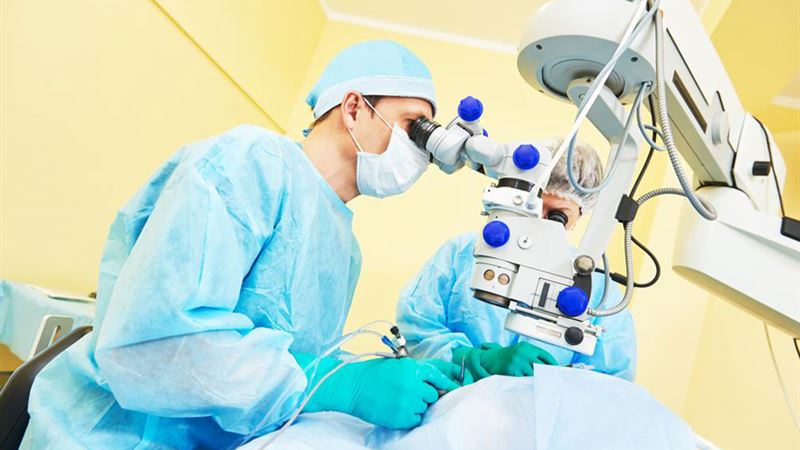
When surgery is indicated, minimally invasive options, such as laser spine surgery, have become increasingly favored due to their reduced risks and quicker recovery times. Traditional open back surgeries, while effective, often involve longer hospital stays and rehabilitation periods. For those seeking less invasive solutions, laser-assisted decompression and stabilization procedures at specialized laser spine institutes across various locations provide promising alternatives. These centers offer comprehensive minimally invasive procedures designed to decompress the spinal canal, relieve nerve compression, and stabilize affected segments, leading to significant pain reduction and improved mobility.
Overall, advancements in laser spine technology have transformed how spinal stenosis is managed today. These innovative techniques aim to provide effective relief with minimal tissue disruption, making them suitable for many patients who might otherwise face more invasive surgeries. Consulting with a spine specialist can help determine whether laser surgery or other minimally invasive procedures are appropriate for your condition, paving the way toward a pain-free and active life.