
Advanced Minimally Invasive Techniques for Alleviating Spinal Canal Narrowing
Discover the latest minimally invasive spinal stenosis treatments that offer effective pain relief with shorter recovery times. Learn about decompression and stabilization procedures, their benefits, risks, and what to expect before and after surgery. Modern techniques ensure safer, faster recovery for patients suffering from spinal canal narrowing, improving their quality of life significantly.
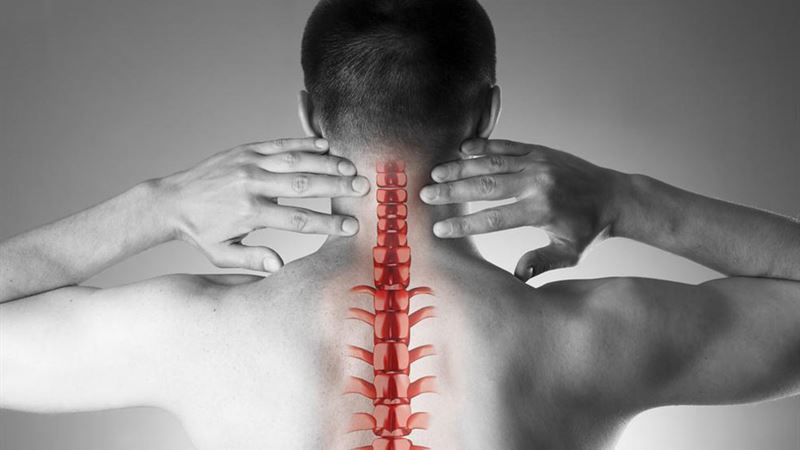
Experiencing symptoms such as numbness, muscle weakness, tingling sensations, and diminished flexibility can significantly impair daily life. Difficulty walking, sitting, or leaning backward might also be signs of spinal stenosis, a condition characterized by narrowing of the spinal canal. Fortunately, modern medical advancements have made minimally invasive surgical options available at many specialized spine centers, providing effective relief with fewer risks compared to traditional open surgeries. These innovative procedures aim to reduce pain, improve mobility, and enhance overall quality of life.
Minimally invasive spinal stenosis surgeries have gained popularity due to their many advantages, including reduced complication rates, shorter hospital stays, quicker recovery periods, and higher patient satisfaction levels. These benefits make them a preferred choice for many patients seeking effective relief from chronic back pain caused by spinal stenosis. In this article, we explore the various types of minimally invasive techniques available, how they differ from conventional surgeries, and what patients can expect during their treatment journey.
Understanding the Different Types of Minimally Invasive Spinal Stenosis Treatments
The selection of an appropriate surgical approach depends largely on the underlying cause and severity of the condition. Primarily, the two main categories are minimally invasive decompression surgery and minimally invasive stabilization surgery. Each method is tailored to address specific aspects of spinal stenosis and is chosen based on detailed diagnostic evaluations by spinal specialists.
Minimally invasive decompression surgery focuses on relieving pressure on nerve roots or the spinal cord by carefully removing the portions of disc or vertebral bone that are protruding into the spinal canal. This procedure aims to restore normal space within the spinal canal, alleviating symptoms and preventing further nerve compression.
For more advanced cases, such as severe stenosis or combined instability, procedures like transforaminal lumbar interbody fusion (TLIF) or anterior cervical discectomy and fusion (ACDF) are performed. These surgeries involve not only decompressing the affected area but also stabilizing the spine with implants to ensure long-term structural support.
Minimally invasive stabilization techniques are differentiated by their focus on reinforcing the spine's integrity after decompression. Once the nerve compression is relieved, the surgeon may remove the diseased disc entirely, creating a space that is subsequently filled with implants like cages or screws. These implants hold the spinal segments in proper alignment, preventing future narrowing or instability.
The procedure generally involves inserting specialized instruments through small incisions, using precise visualization technologies such as endoscopes or fluoroscopy, which minimize tissue damage and expedite healing. Patients typically experience less postoperative pain and return to their normal activities sooner than with traditional open surgeries.
Benefits and Risks of Modern Minimally Invasive Spine Techniques
Compared to conventional open surgeries, minimally invasive procedures offer multiple benefits. The smaller incisions result in less blood loss, reduced risk of infection, and less post-operative scarring. Recovery is often faster, allowing patients to resume daily routines and work activities more quickly. Additionally, these procedures have been associated with a lower incidence of complications such as postoperative instability or nerve injury.
However, as with any surgical intervention, there are potential risks. These can include incomplete decompression, nerve damage, implant failure, or the need for additional surgeries down the line. Patient selection is crucial; not all cases of spinal stenosis are suitable for minimally invasive techniques. Comprehensive diagnostic imaging and thorough consultations with spine specialists help determine the most appropriate approach for each individual.
What to Expect Before, During, and After Surgery
Prior to surgery, patients undergo detailed evaluations including MRI scans, X-rays, and assessments of overall health to ensure suitability for minimally invasive procedures. Preoperative planning involves discussing expectations, potential risks, and post-surgery care requirements with the medical team.
The surgical process typically lasts a few hours, performed under general anesthesia. Surgeons utilize advanced imaging guidance to precisely target the affected areas, making small incisions that facilitate less tissue disruption. Decompression and stabilization are executed with specialized instruments, aiming to minimize trauma.
Postoperative recovery emphasizes pain management, mobility exercises, and physiotherapy to promote healing. Most patients experience significant pain relief within a few days to weeks after surgery, with many returning to light activities within a short period. Follow-up appointments are essential to monitor implant stability and overall progress.
Summary and Future Directions in Spinal Stenosis Treatment
Minimally invasive spinal stenosis surgeries represent a significant advancement in spine care, combining efficacy with safety. They have redefined patient expectations and outcomes, leading to improved satisfaction and reduced healthcare costs. As technology continues to evolve, future innovations may include even less invasive techniques, robotic-assisted surgeries, and personalized interventions based on genetic and biomechanical factors.
Patients suffering from spinal stenosis should seek consultation from experienced spinal surgeons to determine the most suitable treatment plan. Early intervention often results in better outcomes, underscoring the importance of timely diagnosis and personalized care. With ongoing research and technological progress, minimally invasive spine surgeries will likely become the standard of care for many more patients in the coming years, offering hope of a pain-free, mobile future.