
Essential Guide to Cultivating Beautiful Flowers in Your Garden Throughout the Year
Discover expert tips for growing seasonal flowers in your garden to ensure year-round blooms. This detailed guide covers planting times, flower varieties for each season, and care tips to create a vibrant, sustainable garden. Learn how to select flowers based on seasonal availability, climate, and maintenance needs to enjoy continuous color and fragrance, whether you're a novice or an experienced gardener. Elevate your gardening skills and transform your outdoor space into a stunning floral paradise with smart planning and expert advice.
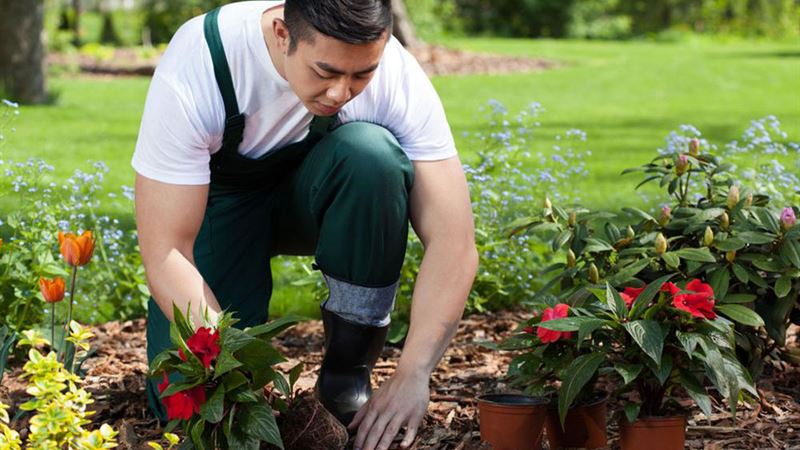
Gardening enthusiasts often find joy in cultivating a vibrant array of flowers that bloom across different seasons. Planning your garden to include a variety of seasonal flowers ensures continuous color and beauty, whether for personal pleasure or special occasions. Understanding the seasonal cycles of flowers not only enhances your garden's aesthetic appeal but also helps you budget wisely by selecting flowers that are in their peak season, reducing costs associated with off-season purchases. Moreover, knowing which flowers flourish in spring, summer, fall, and winter allows you to strategically plan planting schedules, ensuring your garden remains lively year-round.
Flowers are nature’s expression of beauty, and each season hosts a unique set of blooms that can transform your garden into a stunning landscape. In this comprehensive guide, we delve into the varieties of flowers suited for each season, sharing insights on planting times, preferred conditions, and tips to foster healthy growth. Whether you’re a seasoned gardener or a beginner, this detailed overview will help you select the right plants to thrive in your climate, making your gardening endeavors both rewarding and sustainable.
Springtime heralds the awakening of nature’s canvas, with a profusion of blooms that brighten the landscape after winter’s dormancy. From late winter to late spring, a diverse array of flowers blossoming at different intervals can be cultivated, providing a succession of colors and fragrances. Key flowers to consider planting in early spring include Winter Aconite (Eranthis), Witch Hazel, Crocus, Hellebore (commonly called Christmas or Lenten rose), Camellia, Snowdrop, Chionodoxa, and Pansy. These plants bloom as the weather begins to warm, adding early color and vitality.
As spring advances to mid-season, the garden becomes increasingly vibrant. This period is characterized by the emergence of Daffodils, Iris Reticulata, Forsythia, Scilla, Pussy Willow, and other equally charming flora. Mid-spring blooms such as Tulips, Muscari, Dogwood and Redbud trees, Mongolia trees, Trillium, Hyacinths, and Primrose fill the garden with a riot of colors and sweet scents. Planting these flowers during this period ensures a continuous display of floral beauty, and they are generally easy to care for, making them suitable for both inexperienced and seasoned gardeners.
Late spring introduces a new wave of blossoms, including Lily of the Valley, Magnolia trees, Lilacs, Spiraea, Peonies, Alliums, Wood Anemones, and Jack-in-the-Pulpit. These flowers often symbolize renewal and new beginnings. A well-planned spring garden with a variety of these blooms provides a seamless transition from the early to late spring, culminating in a lush, fragrant landscape that captivates every visitor.
Summer transforms gardens into lively, colorful havens, featuring some of the most popular and widely loved flowers. From bright and cheerful Dahlias and Marigolds to exotic Plumeria and Bougainvillea, summer flowers brighten up any space. Other notable summer blooms include Gloriosa Daisy, Coreopsis, Yarrow, Beardtongue, Pineapple Lily, Oxalis, Sunflowers, Zinnias, Hibiscus, Scarlet Sage, and Shrubs like Roses and Periwinkle. These plants typically require full sun and well-drained soil to flourish, and regular watering keeps them healthy and vibrant throughout the hot months.
Fall advent brings a new palette to your garden, with flowering plants that thrive as the temperatures cool. Crocuses, Dahlias, Nerines, Sternbergia, Cyclamen (Hederifolium and Coum varieties), Gladiolus Murielae, Begonias, Heather, Heliposis, Iberis, Asters, Pansies, Sedum, and ornamental grasses can all be cultivated to extend the flowering season. These plants not only contribute rich colors and textures but also prepare the garden for the coming winter, providing visual interest and resilience as days grow shorter and cooler.
Winter gardens may seem barren at first glance, but with the right selection of hardy plants, your garden can offer beauty even in the coldest months. Flowers like Sweet Alyssum, Calendula, Honeywort, Sweet Pea, and winter-flowering perennials flourish during this period. Pansies, Violets, Pinks, Winter Jasmine, Honeybush, Snowdrops, Hollies, Firethorn, and Chokeberries are excellent choices for winter blooms, providing color, texture, and scent. These plants adapt well to cold environments and help maintain your garden's vibrancy when most others have gone dormant.
For gardeners interested in perennials that are both resilient and long-lived, several species are especially favored. These hardy flowers can be planted in fall or early spring, coinciding with cooler temperatures that aid in their establishment. Notable perennials include Peruvian Lily, Sweet Pea, Snow Princess, Aster, Catmint, Coneflower, Coreopsis, Euphorbia, Forget Me Not (Mysotis Sylvatica), Gaillardia, Gaura, Geum Chiloense, Gloriosa Daisy, Heuchera, Lavender, and Salvia Leucantha. Proper planting at the right time ensures they develop strong root systems, leading to beautiful, self-sustaining gardens year after year.
Our comprehensive guide aims to equip you with the knowledge and confidence to cultivate a flourishing garden, filled with a diverse range of seasonal flowers. With careful planning and timely planting, your garden will bloom profusely and remain captivating in every season.