
Effective Dietary Strategies for Managing Type 2 Diabetes Naturally
Discover comprehensive dietary strategies that aid in managing type 2 diabetes naturally. Learn how incorporating whole grains, fatty fish, leafy greens, nuts, vegetables, garlic, and flaxseeds can help regulate blood sugar and boost overall health. This detailed guide offers practical nutritional tips, emphasizing the importance of personalized medical advice for optimal results. Adopting these healthy eating habits alongside regular exercise can substantially improve glucose control and reduce the risk of complications, fostering a healthier lifestyle for diabetics.
Opt for Whole Grains – Incorporating whole grains like oats, barley, and lentils into your diet provides a rich source of both soluble and insoluble fiber. This fiber aids digestion, stabilizes blood sugar levels, and promotes a feeling of fullness, which can prevent overeating. Whole grains have a lower glycemic index compared to refined grains, making them an excellent choice for maintaining steady glucose levels throughout the day.
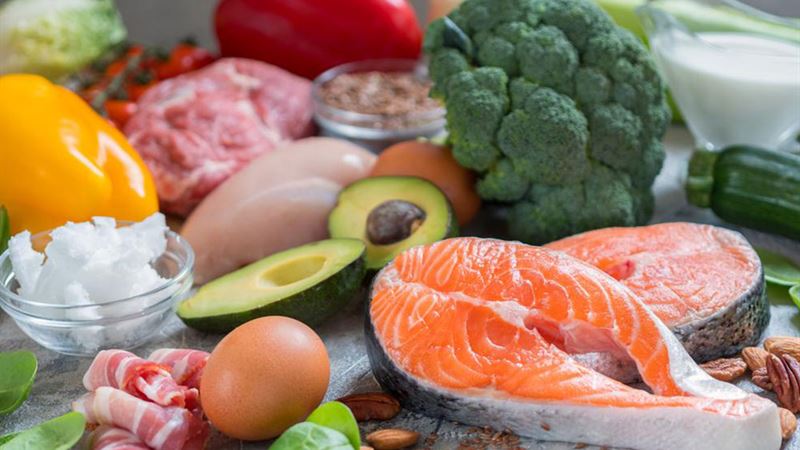
Prioritize Fatty Fish – Fatty fish such as salmon, mackerel, and sardines are loaded with omega-3 fatty acids, which are vital for maintaining cardiovascular health. Since individuals with type 2 diabetes face an increased risk of heart disease, regular consumption of fish rich in omega-3s can reduce inflammation, triglyceride levels, and improve overall heart function.
Incorporate Green Leafy Vegetables – Vegetables like spinach, kale, and collard greens are low in carbohydrates but high in essential vitamins and minerals. These intake supports blood sugar regulation and combats inflammation. Additionally, leafy greens contain antioxidants and phytochemicals that can boost immunity and overall health.
Consume a Variety of Nuts – Nuts such as almonds, walnuts, and cashews are nutrient-dense snacks that provide healthy fats, fiber, and protein. They are low in carbohydrates, which helps in blood sugar control. Each type of nut has a unique nutrient profile, so consulting with a healthcare professional can help determine the optimal options for individual dietary needs.
Enjoy Crucial Vegetables like Broccoli – Broccoli is renowned for its health benefits, including low carbohydrate content and rich nutritional profile. It provides magnesium, vitamin C, and antioxidants like lutein and zeaxanthin, which are beneficial for eye health and reducing oxidative stress. Regular intake of broccoli can support metabolic functions and prevent diabetic complications.
Harness the Power of Garlic – This aromatic herb is known for its ability to help manage blood pressure and blood sugar levels. Incorporating garlic into meals may enhance cardiovascular health, reduce inflammation, and support metabolic functions necessary for managing diabetes.
Incorporate Flaxseeds – Known for their health-promoting properties, flaxseeds are high in dietary fiber, omega-3 fatty acids, and lignans. They can help lower blood sugar levels, reduce the risk of heart disease, and improve insulin sensitivity. Ground flaxseeds are more easily absorbed and should be consumed regularly as part of a balanced diet.
These foods are just a selection of the many nutritional options available for managing type 2 diabetes effectively. Always consult with healthcare professionals for personalized dietary plans, as individual needs may vary based on health status and medications. Combining proper nutrition with regular exercise and lifestyle modifications can significantly improve quality of life for those living with diabetes.