
Comprehensive Guide to Modern Box Trucks: Features, Types, and Industry Applications
Explore the comprehensive features, types, and industry uses of box trucks, including key specifications, benefits, and cost considerations. This detailed guide helps businesses understand how to choose the right box truck to optimize logistics efficiency and reduce costs across various sectors.
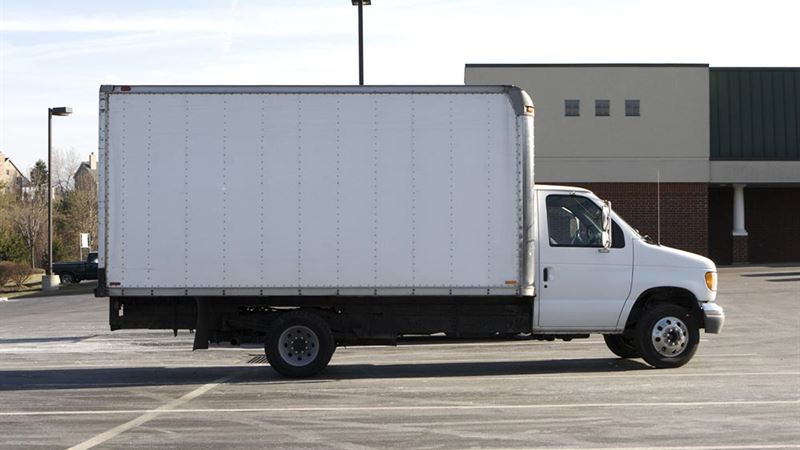
Box trucks have become an essential asset across various industries due to their efficiency, flexibility, and ease of operation. Unlike traditional large transport trailers that require complex coupling and high fuel consumption, box trucks offer a streamlined alternative that improves operational speed and reduces logistical hurdles. They serve as mobile advertising platforms, showcasing business names and contact details on their exterior, thereby acting as a marketing tool in transit. Traditional transport setups often involve attaching trailers to cabs, a process that can be labor-intensive, time-consuming, and costly, especially considering fuel expenses and maneuverability issues in tight spaces. In contrast, box trucks are designed to be driveable versions with self-contained cargo areas, enabling quicker loading, unloading, and delivery processes with less hassle.
Being more fuel-efficient than their trailer-coupled counterparts, box trucks significantly decrease operational costs while ensuring timely deliveries. Their design minimizes breakdown risks, which translates into fewer delays and enhanced reliability. This makes them particularly valuable for businesses that rely heavily on punctual logistics. Additionally, the size and design of box trucks make them adaptable to various urban and suburban environments, where narrow streets and restricted access can impede larger trucks. They are thus favored by companies seeking agility without compromising cargo capacity.
Industries that extensively utilize box trucks include manufacturing, food service, retail, moving services, entertainment, and logistics. For instance, apparel manufacturers depend on box trucks to deliver clothing and accessories efficiently across regions. Appliance producers rely on these vehicles for timely distribution of large household items. Construction companies utilize them for transporting tools and materials to sites, while food delivery firms benefit from refrigerated box trucks that keep perishable goods at precise temperatures. Furniture vendors use them to deliver bulky items without damage, and home improvement businesses rely on box trucks for quick on-site supply transportation. Logistics and courier firms leverage their maneuverability for last-mile delivery, whereas entertainment companies might use them for transporting equipment and props. Moving companies and storage services also find box trucks indispensable for their operations.
Understanding the variety of box trucks available is crucial for selecting the right vehicle for your specific needs. They are primarily categorized based on design features and load capacity, each suited for different operational demands.
Standard box trucks tend to be mid-sized, offering a balanced combination of cargo space and maneuverability, making them ideal for a range of logistics tasks. Beyond this, there are several specialized types tailored for particular industries:
- Utility Box Trucks: These are modified with compartments, drawers, and shelves for tools and equipment, making them perfect for tradespeople or service technicians needing organized storage.
- Refrigerated Box Trucks: Fully equipped with cooling systems, they are essential for transporting temperature-sensitive items like perishables, pharmaceuticals, and healthcare supplies.
- Flatbed Box Trucks: With an open-top design, they facilitate side or rear loading/unloading of large or irregular cargo, frequently used in construction and landscaping sectors.
- Landscaping Box Trucks: Built with specialized storage compartments, some include ramps to ease loading heavy equipment, tailored for landscapers and outdoor service providers.
The size of box trucks varies from smaller 10-foot models suitable for quick local deliveries to large 26-foot vehicles capable of hauling significant loads over longer distances. Load capacities span from light-duty options, able to carry up to 14,000 pounds, to heavy-duty variants designed for over 26,000 pounds, often requiring certified commercial drivers due to licensing standards.
When selecting a box truck, several features should guide your decision-making process. These include cab design—whether a low or high cab—based on comfort and visibility requirements; liftgates for easier loading and unloading, especially for heavy and bulky cargo; and loading ramps for swift transfer of goods. The durability of the floor—wood, aluminum, or steel—depends on the cargo type, with each offering advantages in strength, ease of cleaning, or weight capacity.
Security and safety features are equally important. Tie-down systems stabilize cargo during transit, preventing shifting and damage. Interior lighting improves visibility inside the cargo area, especially during night operations, reducing the risk of accidents. Shelving and organizers help maintain order, ensuring small items or tools are accessible and secure during transit.
For businesses that regularly handle heavy, bulky, or high-value cargo, trucks with hydraulic liftgates are invaluable. These devices facilitate the quick, safe movement of large items without manual lifting, reducing injury risks and potential damage. Liftgates are particularly beneficial when unloading at facilities without forklifts or other loading equipment, offering a versatile solution for secure cargo handling.
The cost of a new box truck varies based on size and features. Generally, a 16-24-foot model ranges from approximately $50,000 to $80,000. Additional costs arise from customization options such as extra shelving, refrigeration units, or liftgates. Pre-owned trucks often present a cost advantage but require careful assessment of mileage, wear and tear, and overall condition to ensure longevity and reliability.
Investing in the right box truck can significantly enhance your logistics efficiency, reduce operational costs, and improve customer satisfaction. Whether you operate a small business or a large enterprise, understanding the different types, features, and industry applications of box trucks is essential for making informed decisions that align with your operational goals and budget.