
Comprehensive Guide to Non-Small Cell Lung Cancer: Symptoms, Diagnosis, and Treatments
This detailed article offers a thorough understanding of non-small cell lung cancer (NSCLC), covering symptoms, diagnostic methods, and treatment options. It highlights current medical approaches, recent research advances, and the importance of early detection, providing valuable insights for patients and healthcare providers alike. Learn about surgical procedures, targeted therapies, immunotherapy, and the latest developments in NSCLC management to stay informed and prepared against this prevalent lung cancer type.
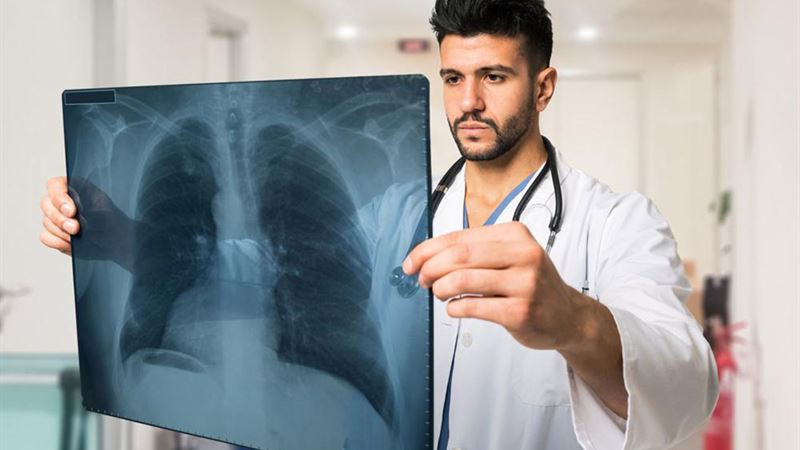
Understanding Non-Small Cell Lung Cancer (NSCLC)
Non-small cell lung cancer (NSCLC) accounts for approximately 85% of all lung cancer cases, making it one of the most prevalent and serious types of lung malignancies. Recognizing the symptoms, understanding diagnostic procedures, and knowing available treatments are crucial for early detection and effective management. This comprehensive guide aims to provide detailed insights into NSCLC, including its symptoms, diagnostic processes, and various treatment options, as well as recent advances in clinical research.
síntomas de NSCLC: signos y síntomas a tener en cuenta
Early detection of NSCLC relies heavily on recognizing its symptoms. Patients may initially experience subtle signs that can be mistaken for less severe illnesses. Common symptoms include persistent coughing, which may sometimes produce blood-tinged sputum. Unexplained weight loss, chronic fatigue, and a persistent chest cough are frequently reported. Other signs include chest pain, shortness of breath, wheezing, recurrent respiratory infections, and back pain. Loss of appetite and general malaise are also indicative of progressing disease. It is vital to consult a healthcare professional if these symptoms persist or worsen, as early diagnosis can significantly impact treatment success.
Diagnosing NSCLC: From initial tests to advanced imaging
The diagnostic process for NSCLC begins with a thorough physical examination and patient medical history. Primary investigations include a complete blood count (CBC) and a chest X-ray, which can reveal abnormal masses or nodules in the lungs. However, confirming NSCLC requires more sophisticated tests. These include computed tomography (CT) scans, positron emission tomography (PET) scans, and biopsies obtained through procedures like bronchoscopy or needle aspiration. Molecular and genetic testing of tumor samples further guides targeted therapies. Ongoing clinical trials aim to improve diagnostic accuracy with novel testing techniques, including liquid biopsies, which analyze circulating tumor DNA for less invasive detection.
Treatment options for NSCLC: Current therapies and future prospects
The management of NSCLC depends largely on the stage at which it is diagnosed. Treatment strategies include surgery, radiation therapy, chemotherapy, targeted therapies, and immunotherapy. Early-stage NSCLC often benefits from surgical resection, such as pneumonectomy or lobectomy, which involves removing the affected lung tissue. In more advanced stages, radiation therapy, including stereotactic ablative radiotherapy, effectively targets tumor cells and alleviates symptoms. Chemotherapy remains a cornerstone, particularly when surgery is not feasible. Recent advancements include personalized medicine approaches, utilizing molecular profiling to identify actionable mutations like EGFR, ALK, and ROS1, enabling targeted drug therapies. Immunotherapy agents, such as checkpoint inhibitors, have revolutionized NSCLC treatment, improving survival rates and quality of life.
Surgical interventions for NSCLC: Types and considerations
Surgical options are often considered the treatment of choice for localized NSCLC. Procedures include pneumonectomy, which involves removing an entire lung, and lobectomy, which removes a lobe of the lung containing the tumor. Segmentectomy or wedge resection may be performed for smaller tumors or patients with compromised lung function. Surgical decisions depend on tumor size, location, patient health status, and the presence of metastasis. Post-surgical therapies may include adjuvant chemotherapy or radiotherapy to reduce recurrence risk. Minimally invasive techniques like video-assisted thoracoscopic surgery (VATS) have improved recovery times and reduced surgical trauma.
Medical procedures and adjunct therapies
Besides surgery, NSCLC patients often undergo radiation therapy, including stereotactic body radiation therapy (SBRT), which delivers high doses of radiation precisely to tumor sites, sparing healthy tissue. Chemoradiotherapy is also frequently employed, especially for locally advanced cases. Systemic treatments like chemotherapy, targeted agents, and immunotherapies are integral components of NSCLC management. These therapies can be used alone or in combination, depending on the disease stage and molecular profile of the tumor. Supportive care, including symptom management and palliative treatments, plays a vital role in enhancing patient quality of life during treatment.
Medications and holistic approaches
Chemotherapy drugs such as platinum-based agents (cisplatin, carboplatin) are standard treatments. Targeted therapies, tailored to specific genetic mutations, include EGFR inhibitors (erlotinib, gefitinib), ALK inhibitors (crizotinib), and others. Immunotherapies like pembrolizumab and nivolumab have shown promising results by boosting the body's immune response against cancer cells. While conventional medicine remains primary, complementary therapies such as nutritional support, physical therapy, and psychological counseling can help patients cope better with treatment side effects. It's important to remember that NSCLC requires medical management, and alternative therapies should supplement, not replace, standard treatment protocols.