
Comprehensive Guide to Nurturing Your African Violet Plants
Learn comprehensive tips and methods for nurturing healthy and vibrant African violets indoors. From propagation techniques using leaves and seeds to optimizing light, water, temperature, and soil conditions, this detailed guide provides everything you need to cultivate thriving plants. Perfect for beginners and seasoned gardeners alike, discover how to create the ideal environment to keep your African violets blooming year-round. With consistent care, patience, and proper environmental adjustments, your indoor garden will flourish with these stunning, perennial flowering plants, adding beauty and elegance to your living space.
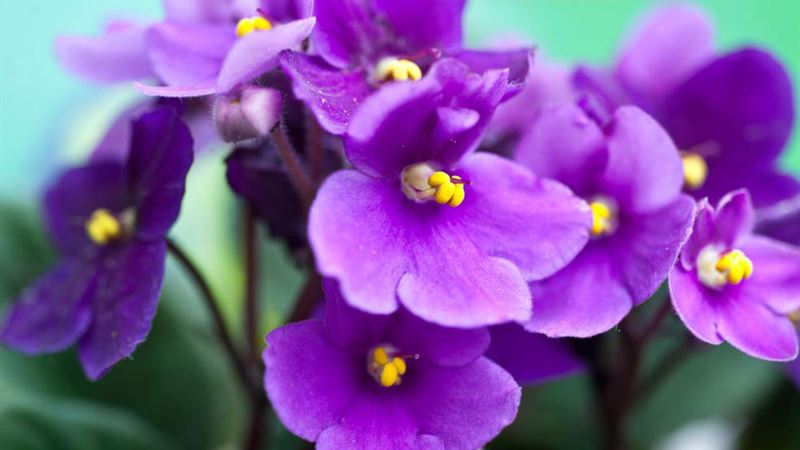
Native exclusively to certain regions in East Africa, African violets, also known as Saintpaulia, are delicate yet captivating houseplants cherished worldwide. Their vibrant blooms and lush green leaves make them a favorite among indoor gardening enthusiasts. Successfully cultivating African violets requires understanding their unique needs and providing proper care. Whether you're a novice or an experienced gardener, this extensive guide will walk you through all the essential steps for nurturing healthy, flowering African violets. From propagation methods to environmental adjustments, you'll learn how to foster optimal growth and ensure your plants flourish indoors.
Propagation plays a vital role in expanding your African violet collection or replacing mature plants. Starting from a leaf cutting is one of the simplest and most effective methods. To propagate through leaf cutting, choose a healthy, mature leaf. Use sharp, sterilized scissors to cut the leaf at a 45-degree angle from the base of the stem. Place the cut leaf in a small bottle filled halfway with lukewarm water, ensuring that the leaf's stalk is submerged while the leaf itself rests on the bottle's edge. Cover the top loosely with plastic wrap to create a humid environment that encourages rooting. Keep the bottle in a warm, bright location, avoiding direct sunlight. Within a few weeks, roots will begin to develop, and new baby plants will emerge from the leaf's base.
Alternatively, you can propagate African violets by planting a leaf directly in well-draining soil. Use a balanced, porous potting mix specifically formulated for African violets or African violet-specific soil. Insert the leaf stalk into the soil, ensuring at least half an inch is buried for stability. Water the soil lightly and keep it consistently moist but not soggy. Covering the pot with a plastic bag or using a propagator can help maintain high humidity, promoting root growth. Be patient as roots develop, and be cautious not to overwater. Once the new plant is established, gradually acclimate it to normal humidity levels by removing the cover over a week or two.
The third propagation option involves growing African violets from seeds, which is less common but rewarding for experienced growers. Seed propagation requires sterile seed-starting mix, a shallow tray, and patience. Sow the seeds on the moist soil surface and lightly cover them with a thin layer of soil or vermiculite. Cover the tray with plastic wrap to retain moisture and place it in a warm, bright location. Germination may take a few weeks, and seedlings will require careful watering and extra care until they develop strong roots. Transplant them into individual pots when they are sufficiently mature.
To maintain your African violets' vitality and promote continuous blooming, proper environmental conditions and regular maintenance are essential. The key factors include light, watering, air circulation, soil quality, pot selection, and pruning techniques. Each factor influences the overall health and flowering capability of your plants.
Light is crucial: African violets thrive best under bright, indirect sunlight. An east or north-facing window is ideal, or supplement natural light with fluorescent or LED grow lights if natural options are limited. If the plant receives direct sunlight, it can scorch the delicate leaves, so always ensure filtered light. Proper watering involves watering when the topsoil feels dry to the touch. Use tepid water to prevent shock and avoid watering from above to prevent leaf spots and fungal diseases. Water from the bottom by placing the pot in a saucer of water for a few minutes, then remove excess water to prevent root rot.
Good air circulation helps prevent mildew and leaf diseases. Place your African violet in a well-ventilated area but away from drafts or sudden temperature changes. Use a fan set on low if needed to promote airflow. The soil should be kept slightly moist—never soggy. Use a well-draining potting mix with peat moss, perlite, and vermiculite, enabling adequate drainage and aeration. Repot your plant annually or when it outgrows its current pot, choosing a container just one size larger with drainage holes.
Temperature regulation is equally critical. African violets prefer a stable environment with daytime temperatures around 70°F (21°C) and no lower than 60°F (15°C) at night. Extremes of cold or heat can cause leaf drop and hinder blooming. Keep your plants away from cold drafts, hot radiators, or air conditioning vents. Consistent humidity levels, around 50-60%, are beneficial; if the air is too dry, consider misting or using a humidifier.
Pruning is vital for continuous flowering and overall plant health. Remove yellowed, dead, or damaged leaves regularly using sterilized scissors. Pinch off spent flower stems just above the leaf node to encourage new blooms. Repot your African violet when it becomes root-bound, which usually happens annually. Always handle your plant gently to prevent stem damage, and ensure your tools are sanitized before pruning to avoid infections.
With diligent care, your African violets will not only thrive but also produce stunning bouquets of flowers year-round. They are perennial plants that, with proper nurturing, can brighten up any indoor space for many years. Remember, creating an environment mimicking their natural habitat—moderate humidity, consistent warmth, and indirect light—will lead to vibrant, healthy plants and continuous blooms. Whether you're just starting or looking to refine your techniques, understanding these comprehensive care practices will ensure your African violets remain happy, healthy, and beautiful.