
Comprehensive Guide to Scalp Psoriasis: Symptoms, Causes, and Effective Management Strategies
This comprehensive guide explores scalp psoriasis in detail, covering causes, symptoms, and effective management techniques. Learn about triggers like genetics, stress, and infections, and discover treatments from medicated shampoos to natural remedies. Emphasizing lifestyle adjustments such as stress reduction and diet, this article offers practical advice to control and improve scalp psoriasis. Early diagnosis and consistent care are key to minimizing symptoms like itching, redness, and hair loss. Empower yourself with knowledge to manage this chronic condition and enjoy healthier scalp health.
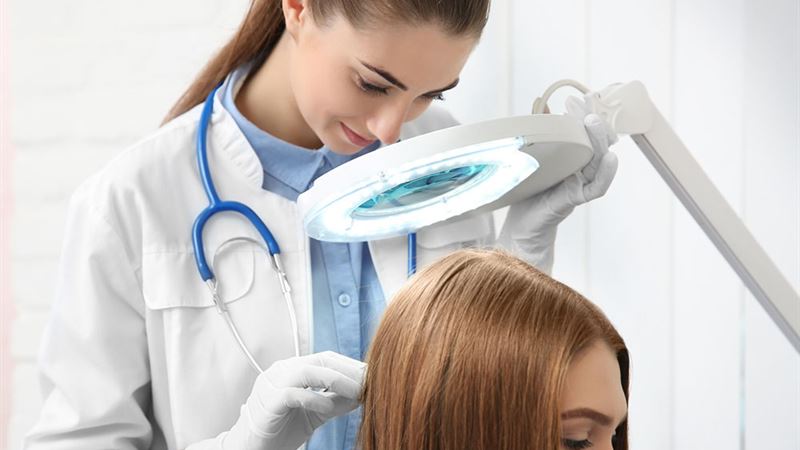
Scalp psoriasis manifests as raised, inflamed patches on the scalp surface, often covered with silvery scales. These patches can appear anywhere on the scalp, whether across the entire region or localized to specific areas. They may feel bumpy, itchy, and sometimes painful. Managing this chronic condition requires understanding its underlying causes, recognizing typical symptoms, and adopting an effective treatment regimen tailored to individual needs. This extensive guide explores every aspect of scalp psoriasis, from its triggers to the most promising treatment options, providing readers with the knowledge necessary to control and improve their condition.
Understanding what scalp psoriasis looks like is essential for early diagnosis and management. The affected areas typically exhibit thickened, scaly patches that can be itchy and uncomfortable. These plaques are often erythematous (reddened) and may be accompanied by soreness or a burning sensation. The severity can range from mild patches with minimal symptoms to extensive, stubborn lesions that significantly impact quality of life. In more advanced cases, the scalp may become so inflamed that hair loss occurs temporarily due to persistent scratching or irritation. Recognizing these signs early allows for prompt intervention and better management outcomes.
At its core, scalp psoriasis is a manifestation of an autoimmune disorder. The immune system mistakenly attacks healthy skin cells in the scalp, leading to rapid cell turnover and the buildup of scales. This process is influenced by a combination of genetic, environmental, and lifestyle factors. While the exact cause remains complex, researchers have identified key contributors that can precipitate or exacerbate the condition, including genetic predisposition, stress, infections, skin injuries, and lifestyle habits. By understanding these triggers, individuals can better avoid or mitigate factors that worsen their symptoms, paving the way for more effective management strategies.
Genetics plays a significant role in the development of scalp psoriasis. Studies suggest that between 60% and 90% of individuals diagnosed with the condition have a family history of psoriasis or related autoimmune disorders. Specific genetic mutations, particularly in the CARD14 gene, have been linked to increased susceptibility. These genetic factors influence immune responses and skin cell behavior, creating an environment conducive to psoriasis outbreaks. Recognizing a familial pattern can alert individuals to watch for early signs, facilitating earlier treatment and better long-term control.
Environmental and lifestyle factors are also major contributors. Stress is a well-documented trigger that can worsen existing psoriasis or initiate new episodes. Psychological stress activates the immune response, leading to increased inflammation and skin cell proliferation. Chronic stress, therefore, should be managed actively through techniques like meditation, yoga, or counseling. Additionally, infections—particularly bacterial or viral—can provoke flare-ups when pathogens invade or infect the scalp. Fungal overgrowth, such as yeast or candida, may also play a role in aggravating the condition, especially in compromised skin areas.
Physical trauma to the scalp, such as cuts, scrapes, or insect bites, can serve as Koebner triggers—mechanisms where skin injuries lead to new or intensified psoriasis lesions. Recognizing and minimizing scalp injuries can be a key preventive measure. Furthermore, certain medications, lifestyle habits, and environmental exposures may influence disease severity. Avoiding harsh hair products, excessive heat styling, or allergenic substances can reduce skin irritation and inflammation. Maintaining a healthy scalp environment is crucial for those managing psoriasis.
The symptoms of scalp psoriasis are diverse but often include hallmark signs that can aid in diagnosis. One notable feature is severe dryness, which causes the skin to crack, sometimes bleeding if cracks become deep. Itching varies from mild discomfort to intense irritation, disrupting sleep and daily activities. Reddish patches emerge as inflammation Set upon the scalp's surface, sometimes covering large areas or remaining localized.
Patients frequently report a sensation of burning or soreness across affected patches, adding to discomfort and distress. Hair loss may occur temporarily, primarily due to scratching or the inflammatory process weakening hair follicles. Fortunately, as the skin heals, hair often regrows naturally. However, ongoing inflammation can prolong hair shedding and delay regrowth, emphasizing the importance of controlling symptoms early.
Treatment options range from topical to systemic approaches, each tailored to disease severity and individual preference. In mild to moderate cases, medicated shampoos offer a frontline defense. Shampoos containing coal tar are highly effective in reducing scaling, itching, and inflammation by slowing skin cell proliferation. Their regular use can significantly improve scalp health and symptom control.
Salicylic acid is another valuable ingredient in psoriasis scalp treatments. It acts as a keratolytic agent, softening and removing scales while soothing inflammation. Products containing 2-10% salicylic acid are recommended to help loosen stubborn scales and promote clearer skin. Consistent application can complement other therapies, enhancing overall efficacy.
Aloe vera gel has long been acclaimed for its soothing, healing properties. Applying pure aloe vera to affected areas can help calm inflammation, reduce itchiness, and promote healing. Its natural anti-inflammatory constituents make it a gentle yet effective remedy, especially for sensitive scalp skin.
Soaking the scalp in an Epsom salt bath is another traditional remedy. Epsom salts contain magnesium sulfate, which has anti-inflammatory effects and can help reduce flaking and itchiness. To use, dissolve a small handful of Epsom salt in warm water, soak the scalp for 10-15 minutes, and rinse thoroughly. Regular use may help decrease redness, scaling, and discomfort.
Stress management is integral to controlling psoriasis flare-ups. Techniques such as meditation, deep breathing exercises, yoga, and mindfulness can help regulate immune responses and reduce inflammation. Psychological support or counseling may be beneficial for those whose stress levels significantly impact their skin health. While stress reduction alone may not cure psoriasis, it can substantially improve symptom control and quality of life.
Adopting a comprehensive skincare routine is vital during recovery. Refrain from peeling or scratching flaky patches, as this can cause skin trauma, infection, or hair loss. Allow the skin to heal naturally to avoid aggravating the condition. Maintaining good hygiene and moisture levels with gentle, fragrance-free products support healing and reduce irritation.
Diet also plays a crucial role. Limiting processed foods high in trans fats, refined sugars, and excessive sodium can reduce systemic inflammation. Instead, focus on nutrient-rich, anti-inflammatory diets that include fruits, vegetables, lean proteins, eggs, yogurt, and whole grains. These foods supply essential vitamins and minerals necessary for immune regulation and skin regeneration, promoting gradual healing and symptom relief.
Overall, managing scalp psoriasis requires a multi-pronged approach combining topical therapies, lifestyle adjustments, and stress management. Early diagnosis, consistent treatment, and lifestyle modifications can significantly improve the quality of life for affected individuals. By understanding the condition deeply and implementing effective strategies, those with scalp psoriasis can achieve healthier scalp skin and enjoy a better, symptom-free life.