
Comprehensive Guide to Angiogram Procedures: What You Need to Know
This comprehensive guide covers everything you need to know about angiogram procedures—from preparation and the process to recovery and potential risks. Discover how specialists perform angiograms, what to expect during the test, and factors influencing costs. Understanding this minimally invasive diagnostic tool can help you make informed health decisions and ensure a smoother experience with vascular imaging. Learn about the importance of angiograms in diagnosing conditions like artery blockages, aneurysms, and more, and how they contribute to effective treatment planning for cardiovascular health improvement.
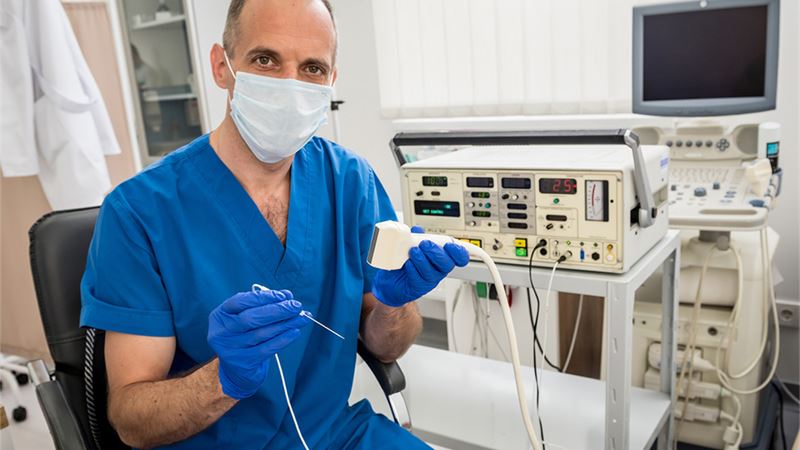
Angiography is an essential diagnostic tool used by healthcare professionals to visualize blood vessels and diagnose various cardiovascular conditions. This detailed procedure helps clinicians identify blockages, blood clots, aneurysms, and other vascular abnormalities, enabling targeted treatment plans. From coronary artery disease to peripheral artery issues, angiograms play a crucial role in modern medicine. Additionally, they assist in post-surgical assessments, such as evaluating stent placement or planning interventions like bypass surgeries. The ability to accurately image blood vessels aids in early diagnosis, improving patient outcomes significantly.
Depending on the specific blood vessels being examined, different specialists conduct angiograms. Interventional cardiologists usually perform coronary angiograms focusing on the heart's arteries. For peripheral arterial systems, vascular surgeons or interventional radiologists are typically responsible. Clear understanding of the procedure's process ensures patients are well-prepared for their appointments.
Preparing for an angiogram involves comprehensive patient education. Patients are often advised to avoid eating and drinking several hours before the procedure, usually the night before. This precaution reduces the risk of nausea or aspiration during sedation. It's essential for patients to have someone accompany them to drive home afterward, as sedatives or anesthesia may impair alertness. Before the procedure, healthcare providers need detailed information about your current medications, allergies, and underlying health conditions. Carrying insurance details and identification ensures smooth administrative handling.
On the day of the procedure, medical staff perform routine assessments like checking vital signs, including blood pressure, temperature, and heart rate. An intravenous (IV) line is inserted into a vein—typically in the arm or wrist—to deliver medications or sedation during the process. The core of an angiogram involves injecting a contrast dye through the catheter, which is guided accurately within blood vessels using real-time imaging such as X-ray fluoroscopy. This contrast enhances the visibility of blood flow, enabling precise identification of blockages or abnormalities.
Before inserting the catheter, the skin over the target insertion site is meticulously cleaned and numbed with local anesthesia to minimize discomfort. A small incision or puncture is made, and a thin catheter is threaded through the blood vessel to reach the area of interest. Once in position, the contrast dye is administered, and detailed images are captured. Patients may experience a brief burning sensation during dye injection; some may also feel warm or flushed. Though the procedure is minimally invasive, some individuals report mild discomfort or post-procedure soreness.
Following the imaging, the catheter is carefully withdrawn, and pressure is applied to the insertion site to prevent bleeding. Post-procedural care involves monitoring for any immediate signs of complications and ensuring the patient is stable. The healthcare team reviews the images with the patient, explaining findings and potential treatment options. If significant blockages are detected, additional procedures like angioplasty or stenting might be recommended to restore blood flow.
The cost of an angiogram can vary widely based on multiple factors. The specific area being examined, whether coronary, peripheral, or cerebral vessels, influences the price. Geographic location and the healthcare facility's type also impact overall costs. Skilled professionals such as interventional cardiologists or radiologists perform these tests, and their experience can influence pricing. Insurance coverage further affects out-of-pocket expenses, so patients should verify their policy benefits beforehand.
While angiograms are generally safe, they carry certain risks, though rare. Potential complications include bleeding or bruising at the insertion site, allergic reactions to contrast dye, or infections. Patients with existing health issues like diabetes or kidney disease may face additional risks, including kidney impairment due to dye toxicity. Serious but uncommon complications might involve blood clots, vessel injury, arrhythmias, or even heart attack and stroke. Understanding these risks helps patients make informed decisions and discuss concerns with their healthcare team.
Post-procedure recovery focuses on promoting healing and minimizing discomfort. Rest is crucial, and patients should avoid driving, operating machinery, or engaging in strenuous activities for at least 24 hours. Adequate hydration helps flush out contrast dye and facilitates recovery. Maintaining the incision site clean and dry prevents infection; patients should refrain from bathing or swimming until it’s fully healed. Follow-up appointments enable healthcare providers to assess recovery progress and discuss test results, guiding further treatment if needed.