
Comprehensive Guide to Psoriasis: Types, Causes, and Management Strategies
This comprehensive guide explores the various types of psoriasis, their causes, symptoms, and management strategies. It emphasizes the importance of early diagnosis and personalized treatment for better quality of life. Learn about plaque, inverse, erythrodermic, pustular, guttate, and nail psoriasis in detail, along with current therapies and lifestyle tips. Whether you’re dealing with mild or severe forms, understanding these differences helps in seeking appropriate medical care and improving your skin health effectively.
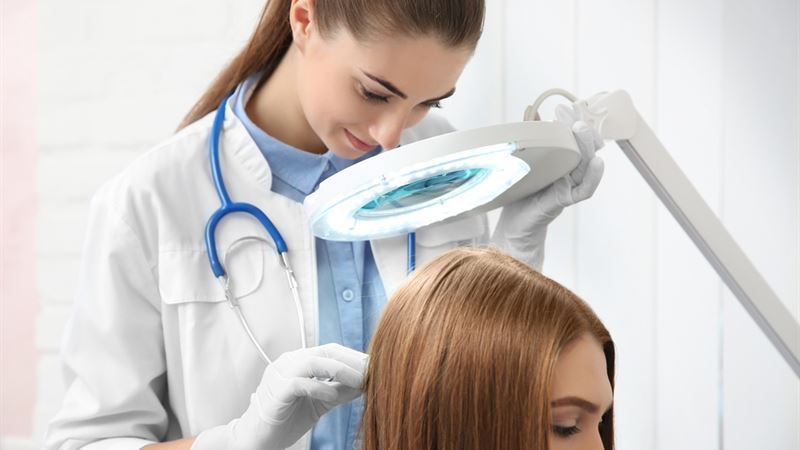
Currently, there is no definitive cure for psoriasis; however, numerous therapeutic options exist to alleviate symptoms and manage the condition effectively. These treatments aim to reduce inflammation, slow cell turnover, and relieve discomfort, allowing individuals to lead more comfortable lives. As research advances, new therapies and lifestyle modifications continue to improve patient outcomes, emphasizing the importance of personalized treatment plans.
Types of Psoriasis
Psoriasis exhibits a broad spectrum of clinical presentations, influenced by factors such as genetics, triggers, affected body areas, and patient demographics. Recognizing the different types of psoriasis is vital for diagnosis and tailoring appropriate treatments. The most recognized forms include the following:
- Plaque Psoriasis: The most prevalent form, accounting for approximately 80-90% of cases. It manifests as raised, red patches covered with a silvery-white scale. These plaques can appear anywhere on the skin but are commonly found on elbows, knees, scalp, and lower back. In some cases, they develop inside the mouth or on genitals. Symptoms often include itching, soreness, and sometimes bleeding if the plaques crack. Proper management involves topical treatments, phototherapy, and systemic medications.
- Inverse or Flexural Psoriasis: This type appears in body folds, such as the armpits, groin, under breasts, and behind the knees. Inverse psoriasis is distinguished by smooth, shiny, and inflamed patches that may look different from typical plaques. Since these areas are prone to irritation and maceration, treatment strategies often include topical steroids and other anti-inflammatory agents. Patients with inverse psoriasis might also have other psoriasis types concurrently.
- Erythrodermic Psoriasis: A severe and rare form, erythrodermic psoriasis involves widespread redness, inflammation, and scaling across most or all of the body. It can be life-threatening due to potential complications like fluid loss, infections, and temperature regulation issues. Symptoms include intense redness, pain, itching, and peeling skin. Emergency medical intervention is typically required, encompassing hospitalization, systemic treatments, and supportive care.
- Pustular Psoriasis: This aggressive variant features white pustules (blister-like bumps filled with non-infectious pus) on top of red, inflamed skin. Pustular psoriasis can affect specific areas such as palms and soles (palmoplantar pustulosis) or be generalized. It may develop rapidly, accompanied by fever, chills, muscle weakness, and tiredness. Management often involves systemic therapies, including biologics when topical treatments are insufficient.
- Guttate Psoriasis: The second most common type, characterized by small, drop-shaped lesions that usually appear suddenly. It often follows infections like streptococcal throat infections. Guttate psoriasis affects both children and adults and tends to resolve either spontaneously or with treatment. Topical treatments, phototherapy, and addressing underlying infections help control the outbreaks.
- Nail Psoriasis: While not classified as a separate subtype, nail psoriasis warrants special mention due to its impact. It causes pitting, discoloration, crumbling, and detachment of nails. These changes can be painful and may lead to secondary infections. Managing nail psoriasis requires targeted therapies, including topical agents and sometimes systemic options, especially when associated with other forms of psoriasis.
Understanding these diverse forms of psoriasis is essential for effective management, as each type responds differently to treatments. Early diagnosis and personalized care plans can substantially improve patient outcomes, reduce discomfort, and prevent progression to more severe disease stages.