
Comprehensive Guide to Managing and Understanding Eczema: Causes, Symptoms, and Treatments
This detailed guide provides an extensive overview of eczema, covering its causes, symptoms across different age groups, and various treatment options. It emphasizes the importance of understanding triggers, recognizing early signs, and seeking appropriate medical intervention. The article offers practical home remedies and discusses medical therapies, including medications and phototherapy, to help manage this chronic skin condition effectively. Perfect for patients, caregivers, and healthcare providers seeking comprehensive eczema insights for better management.
Understanding the Basics of Eczema
Eczema, also known as dermatitis, is a common inflammatory skin condition that affects individuals across all age groups. It manifests through itchy, red, and inflamed skin, often accompanied by other symptoms such as scaling, cracking, and oozing. The condition can significantly impact quality of life, causing discomfort and emotional distress. Recognizing the underlying causes, identifying the symptoms, and exploring effective treatment options are essential steps towards managing eczema effectively. This comprehensive guide delves into the causes, symptoms, and the latest treatment approaches for eczema, providing valuable insights for patients, caregivers, and healthcare professionals.
What Causes Eczema?
Understanding the root causes of eczema is vital to managing and preventing flare-ups. The etiology of eczema is multifactorial, involving genetic predispositions and environmental triggers. When one or both parents have a history of eczema, allergy, or asthma, the likelihood of their children developing eczema increases significantly. Several external factors can precipitate or exacerbate this condition:
- Genetic Factors: Inherited traits that affect skin barrier function and immune response.
- Environmental Triggers:
- Stress and mental health conditions such as hypertension are known to influence skin immunity, potentially leading to flare-ups.
- Dry and chapped skin caused by exposure to harsh weather conditions or frequent washing can compromise the skin’s protective barrier, making it more susceptible to irritation.
- Contact with allergens and irritants: Synthetic fabrics, jewelry containing nickel or other metals, dandruff, pollen, microbial agents, certain foods, soaps, detergents, and wool can all provoke eczema reactions.
- Exposure to chemical irritants: Harsh cleaning agents, plastics, rubber, latex, certain skincare lotions, and chemical solvents in moisturizers may trigger skin inflammation.
- Hormonal fluctuations: Especially in women, hormonal changes related to menstruation, pregnancy, and menopause can influence eczema severity.
- Environmental and climatic conditions: Cold, hot, humid, or dry weather conditions and profuse sweating may also serve as external triggers.
Recognizing Eczema Symptoms Across Age Groups
Symptoms of eczema vary widely depending on age and the specific type of dermatitis. Early detection is key to effective management and minimizing complications like infections caused by scratching.
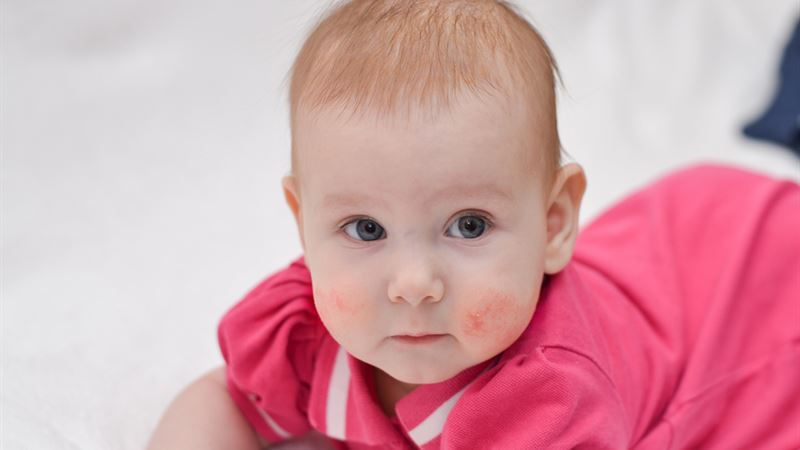
In infants under two years, eczema often begins with red, inflamed patches on the cheeks, scalp, or face, which may ooze or become crusty. These areas are intensely itchy, leading to persistent crying, difficulty sleeping, and a higher risk of skin infections. The skin may appear raw and tender.
Children aged two and above may develop rashes primarily on the knees, elbows, neck, ankles, wrists, and the creases of the skin such as the behinds and groin. Over time, these patches can become thickened, bumpy, and darker in color—a process known as lichenification. Persistent scratching can lead to secondary bacterial infections, complicating the condition further.
In adults, eczema might manifest predominantly on dry, rough skin with persistent itchiness and scaling. Common areas include the hands, arms, legs, and neck. Long-standing eczema may lead to chronic skin changes, including thickening, pigmentation alterations, and cracks that increase susceptibility to infection.
The various types of eczema exhibit distinctive features:
- Atopic Dermatitis: Characterized by recurring rashes on flexural areas like knees and elbows, with skin thickening, pigmentation changes, and sometimes oozing or crusting.
- Contact Dermatitis: Presents as redness, swelling, itching, burning, and sometimes blistering when the skin encounters irritants or allergens.
- Dyshidrotic Eczema: Notable for small, fluid-filled blisters on hands and feet, accompanied by itching and skin cracking.
- Hand Eczema: Common among those exposed to frequent hand washing or chemicals, resulting in dryness, redness, and cracking.
- Neurodermatitis: Results in thick, scaly patches usually on the legs, back of the neck, or scalp, often worsening at night or during relaxation due to intense itching.
- Nummular Eczema: Develops as circular, coin-shaped patches that are itchy, scaly, and sometimes crusted.
Approaches to Eczema Treatment
Given the diverse causes and manifestations of eczema, treatment plans are individualized. The goal is to reduce inflammation, manage symptoms, and prevent flare-ups. Always consult a healthcare professional before initiating any treatment regimen. A combination of lifestyle modifications, home remedies, and medications often produces the best results:
- Keeping skin well-moisturized with emollients and barrier creams to restore skin health.
- Using gentle, fragrance-free cleansers and skincare products to avoid irritation.
- Patting the skin dry after bathing rather than rubbing, and applying moisturizers immediately afterward to trap moisture.
- Avoiding scratchy or tight clothing; choosing loose, breathable fabrics such as cotton.
- Protecting the skin from abrupt temperature changes and environmental triggers.
- Managing stress through relaxation techniques, as stress can significantly worsen eczema symptoms.
- Limiting exposure to known allergens and irritants in daily life.
Pharmacologic treatments include various medications aimed at controlling inflammation, itching, and preventing infections:
- Topical corticosteroids—used sparingly to reduce inflammation in affected areas.
- Calcineurin inhibitors—an alternative to steroids for sensitive areas like the face.
- Antihistamines—available over-the-counter or prescription to alleviate itching and allergic reactions.
- Barrier repair creams—help restore the skin’s natural protective barrier.
- Prescription medications such as immunosuppressants or biologic agents for severe cases.
- Phototherapy—exposing the skin to controlled ultraviolet light under medical supervision, which can help reduce inflammation.
In addition to medical treatments, certain home remedies can aid in managing eczema symptoms effectively. Regular baths with lukewarm water, avoiding harsh soaps, and applying thick moisturizers can provide relief. Avoid scratching, as it worsens the condition and risks infections.
Remember, each individual's skin reacts differently, making tailored treatment plans essential. Persistent or worsening symptoms should prompt consultation with a dermatologist or healthcare provider for advanced management techniques tailored to specific needs.