
Comprehensive Guide to Heel Spur Management: Causes, Symptoms, and Effective Treatments
Discover comprehensive insights into heel spurs, including their causes, symptoms, and effective management options. Learn how to prevent heel spurs through proper footwear, diet, and activity modifications, ensuring optimal foot health and mobility for a pain-free life.
Understanding Heel Spurs: Causes, Symptoms, and Treatment Strategies
Heel spurs are bony growths that develop on the underside or back of the heel bone, often causing discomfort and pain. Recognizing their root causes and understanding the available treatment options are essential for effective management. Whether you’re experiencing chronic heel pain or simply want to prevent such issues, this detailed guide covers everything you need to know about heel spurs, including their types, causes, symptoms, and the latest treatment methods.
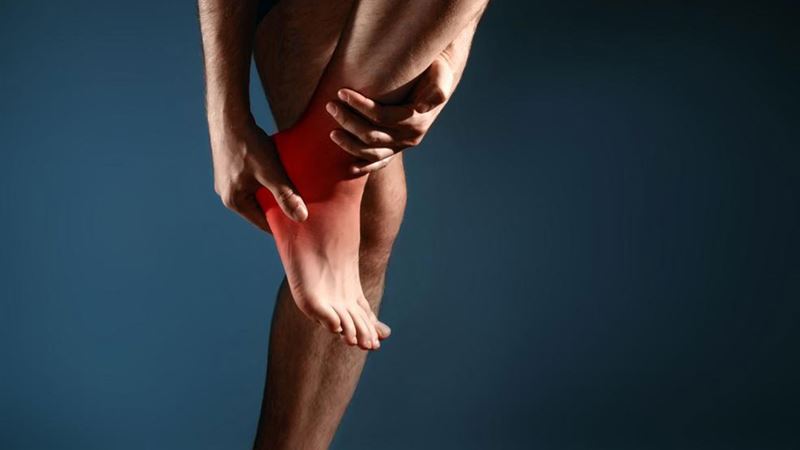
What Causes Heel Spurs?
Heel spurs form when calcium deposits accumulate at the bottom of the heel bone over an extended period. This calcification process is usually a response to repetitive stress or trauma to the heel area. Several factors can contribute to the development of heel spurs:
- Chronic plantar fasciitis, which involves inflammation of the plantar fascia—a thick band of tissue running along the bottom of the foot—can lead to spur formation due to continuous strain.
- Repeated overuse or excessive strain on the heel, often from activities like running, jumping, or standing for long hours.
- Obesity increases pressure and stress on the heel, accelerating calcium deposit formation.
- Abnormal walking gait or foot biomechanics, which put uneven stress on the heel and surrounding structures.
- Wearing improperly fitting shoes lacking adequate heel support or cushioning.
- Age-related degeneration of foot tissues, making the heel more susceptible to spur development.
Symptoms of Heel Spurs
Many individuals with heel spurs remain asymptomatic. However, when symptoms occur, they can significantly impact daily activities. The main signs include:
- Sharp or piercing pain, especially with the first steps in the morning or after prolonged periods of rest.
- Persistent dull ache around the heel area following activity or long periods of standing.
- Swelling, inflammation, or tenderness at the bottom or back of the heel.
- In some cases, a visible or palpable bony protrusion may be felt beneath the skin.
- Discomfort that worsens with activity and improves with rest.
Types of Heel Spurs
Heel spurs are classified based on their location relative to the heel:
- Insertional Heel Spurs: These are located at the back of the heel near where the Achilles tendon attaches, often associated with Achilles tendinitis.
- Plantar Heel Spurs: Found on the bottom of the heel, these common spurs develop beneath the plantar fascia attachment area.
Treatment Options for Heel Spurs
Managing heel spurs involves a multimodal approach, tailored to the severity of symptoms and individual patient needs. Treatment options range from conservative to surgical interventions.
Non-Surgical Treatments
- Rest and Activity Modification: Reducing activities that exacerbate heel pain to allow inflammation to subside.
- Physical Therapy: Techniques such as manual therapy, ultrasound, and specific stretching exercises target tight tissues and improve flexibility.
- Stretching Exercises: Regular stretching of the Achilles tendon and plantar fascia helps reduce tension and relieve pain.
- Orthotic Devices and Shoe Inserts: Custom or over-the-counter insoles can cushion the heel and distribute pressure evenly.
- Wearing Proper Footwear: Shoes with adequate heel support, shock absorption, and a snug fit prevent aggravation of symptoms.
- Medication: Non-steroidal anti-inflammatory drugs (NSAIDs) like ibuprofen or naproxen can reduce pain and inflammation.
- Corticosteroid Injections: Targeted injections can provide temporary relief from severe inflammation and pain.
Surgical Treatments
If conservative measures fail after six to twelve months and pain persists, surgical intervention may be necessary. The primary goals are to remove the heel spur and address underlying issues causing stress on the heel. Surgical procedures include:
- Heel Spur Removal: Excision of the bony growth to eliminate the source of irritation.
- Plantar Fascia Release: Cutting a portion of the thick plantar fascia to reduce tension and inflammation.
Postoperative recovery involves wearing protective footwear, limited weight-bearing, and gradually returning to normal activities. However, surgery carries risks such as nerve injury, infection, persistent pain, and potential damage to foot structures. Proper patient selection and surgical planning are critical to minimize complications.
Preventing Heel Spurs: Practical Tips
Prevention is always better than cure. Implementing simple lifestyle changes can significantly decrease the risk of heel spur formation:
- Choose Appropriate Footwear: Opt for shoes with good arch support, cushioning, and proper fit. Replace worn-out shoes promptly.
- Manage Body Weight: Maintaining a healthy weight reduces excess pressure on the heel and foot tissues.
- Warm-Up and Stretch: Always warm-up and stretch before engaging in physical activities, especially high-impact sports.
- Limit High-Impact Activities: Incorporate low-impact exercises like swimming or cycling to reduce stress on heels.
- Address Gait Abnormalities: Seek professional assessment and correction for walking or running biomechanics.
The Role of Diet in Heel Health
A balanced diet can support foot health by providing essential nutrients like magnesium, zinc, and silicon, which aid in maintaining healthy tendons and bones. Incorporate foods rich in anti-inflammatory compounds such as bromelain found in pineapple and papaya to reduce swelling and inflammation in the heel area. Staying well-hydrated and avoiding inflammatory foods can also contribute to faster recovery and preventive care. Remember, a healthy diet combined with proper footwear and physical activity is key to avoiding heel spurs.
In conclusion, heel spurs are common but manageable with timely intervention. Understanding their causes, recognizing symptoms early, and implementing appropriate treatment and preventive measures can minimize discomfort and maintain overall foot health. Consult healthcare professionals for personalized treatment plans and ensure a pain-free, active lifestyle.