
Comprehensive Guide to Managing and Treating Seborrheic Dermatitis on the Scalp
This comprehensive guide provides detailed insights into managing seborrheic dermatitis on the scalp, including effective medical treatments, lifestyle tips, and natural remedies. Learn how to identify symptoms, seek professional help, and adopt healthy habits to control this common condition and improve your skin health sustainably.
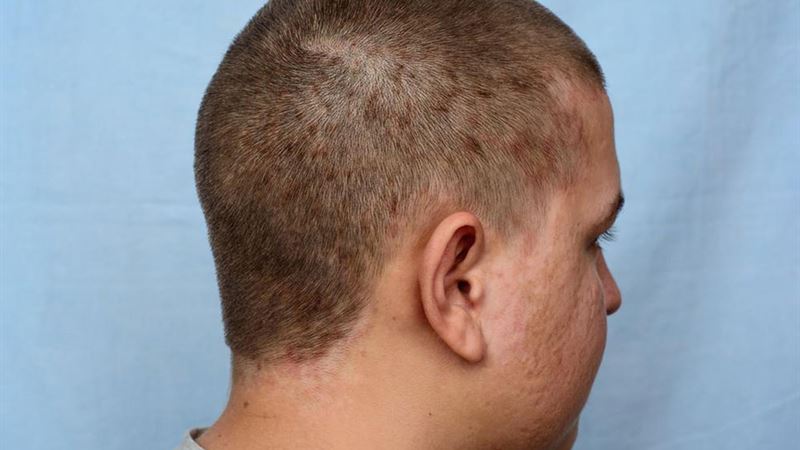
- Chronic psychological stress, depression, and past trauma
- Underlying infections
- Use of certain medications
- Immune system dysfunction
- Physical exhaustion
- Sleep disturbances
- Extended exposure to excessively dry or humid environments
Seborrheic dermatitis is a common skin condition characterized by flaky, greasy patches that tend to appear in areas abundant with oil-producing glands. Typically, individuals notice yellowish or reddened patches that can be itchy or uncomfortable. These patches are most frequently observed in regions rich in sebaceous glands, such as the scalp, face, chest, back, ears, and neck. The condition can significantly impact both physical comfort and emotional well-being, compelling many to seek effective treatment options.
Understanding Seborrheic Dermatitis on the Scalp
The scalp is particularly susceptible to seborrheic dermatitis, which often presents as dandruff accompanied by visible scaling and redness. The appearance of greasy, yellowish scales can be distressing and may lead to embarrassment or social anxiety. The condition's persistence can be challenging, but with proper management, it is controllable.
- Consult a dermatologist for an accurate diagnosis and personalized treatment plan. They may prescribe medicated shampoos, topical antifungal or anti-inflammatory medications, and other therapies tailored to the severity of your condition.
- Incorporate over-the-counter dandruff shampoos that contain active ingredients such as salicylic acid, coal tar, selenium sulfide, ketoconazole, or zinc pyrithione. Use these shampoos regularly according to dermatological guidance. Always ensure that you are not allergic to the ingredients and seek medical advice before starting any new treatment.
- If your child is affected, opt for gentle baby shampoos and warm water. For medicated options, consult a pediatrician to confirm suitability and safety.
- Maintain a healthy diet rich in vitamins, minerals, and omega-3 fatty acids to support skin health. Hydrate adequately and avoid excessive consumption of processed foods, which may exacerbate skin issues.
- Identify and minimize potential triggers such as stress, hormonal fluctuations, harsh hair products, or environmental factors. Practicing relaxation techniques, stress management, and avoiding unnecessary exposure to extreme weather conditions can reduce flare-ups.
- Adopt proper scalp hygiene habits, such as gentle washing, avoiding harsh chemicals, and not scratching or picking at affected areas to prevent worsening or secondary infections.
- In cases where infections or immune system disorders are contributing factors, addressing underlying health issues is vital. Follow prescribed treatments for any underlying conditions to control seborrheic dermatitis effectively.
- Consider natural remedies that some find helpful, such as tea tree oil, aloe vera, or coconut oil, but always discuss with your healthcare provider before trying these approaches.
Long-term management of seborrheic dermatitis requires consistency and patience. Combining medical guidance with lifestyle modifications can significantly improve quality of life by reducing flare-ups, minimizing discomfort, and restoring skin health. Remember, every individual is different, so personalized treatment plans are crucial for effective management.