
Effective Strategies to Eliminate Corns and Calluses from Your Feet
Learn comprehensive strategies to effectively eliminate corns and calluses. Discover causes, prevention tips, and a wide range of natural remedies and professional treatments. Maintain healthy, comfortable feet with expert advice and effective home solutions tailored for long-term relief.
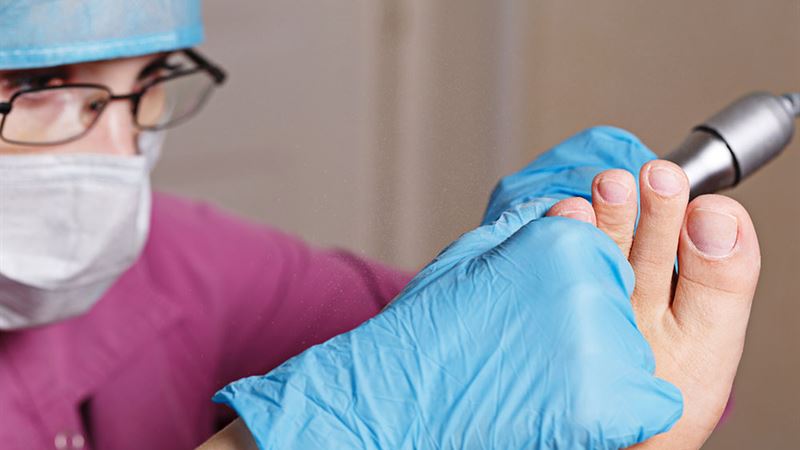
- Understanding the Origins of Corns and Calluses:
Corns and calluses develop as a protective response of the skin to chronic friction, pressure, or irritation. Common causes include wearing poorly fitting shoes that compress the toes or the sole, standing or walking for prolonged periods, or engaging in activities that involve repetitive movements that cause localized pressure. People with certain foot deformities, such as bunions or hammertoes, are more prone to develop these keratinized skin patches. Furthermore, underlying health conditions like arthritis, especially rheumatoid arthritis, can predispose individuals to skin thickening due to altered gait and joint deformities. - How to Prevent Corns and Calluses:
Prevention is paramount to avoid discomfort and the need for extensive treatment. Choose footwear that fits well and is supportive; avoid tight, narrow, or high-heeled shoes that exert unnecessary pressure on your feet. Opt for shoes made from breathable materials like leather or mesh, which facilitate proper air circulation. Always wear socks that wick moisture away, preferably made from natural fibers such as cotton, to reduce skin irritation and moisture buildup. Maintaining proper foot hygiene, regularly moisturizing your feet, and trimming toenails can also prevent thickened skin formation. For individuals with high activity levels, using protective pads or insoles can reduce direct friction on problem areas. - Home Remedies for Corn and Callus Removal:
Several natural and DIY methods can help soften and remove corns and calluses at home, provided they are used with caution and ideally under medical supervision. These methods are particularly effective for mild cases and when combined with proper footwear habits.
Warm Water Soak: Soaking the affected area in warm water for 10-15 minutes softens the hardened skin, making subsequent removal easier. Adding Epsom salts can increase the softening process and soothe inflammation. After soaking, gently rub the corn or callus with a pumice stone or emery board to remove dead skin. Do this regularly to prevent buildup.
Proper Footwear Choices: Wearing shoes that fit correctly is key. Avoid high heels or tight-toed shoes; instead, choose footwear with ample toe space, good arch support, and cushioned insoles. Cotton socks help keep feet dry and reduce friction. Replacing synthetic socks with natural fiber options can significantly reduce irritation and moisture retention.
Moisturization and Skin Softening: Applying rich moisturizers, such as urea-based creams, overnight helps keep the skin pliable. For cracks or fissures, applying a thick layer of moisturizer followed by a sock overnight can accelerate healing. Regular exfoliation with pumice stones prior to moisturizing removes dead skin and can diminish the size of corns or calluses over time.
Natural Remedies: Several natural ingredients have been used traditionally to treat corns effectively. Always perform a patch test before trying these remedies and consult with healthcare providers for personalized advice.
- Apple Cider Vinegar and Castor Oil: Dissolve a tablespoon of apple cider vinegar in warm water and soak your feet for about 15 minutes. After soaking, apply castor oil to the affected area to enhance skin softening. Repeating this process daily for about a week or more can gradually smoothen calluses.
- Lemon Slices: Cutting a lemon into thin slices and placing them over the corn, secured with a bandage, overnight can help in softening the thickened skin due to the natural acids and vitamin C in lemon.
- Onion and Vinegar Poultice: Immerse a white onion slice in white vinegar for a few hours, then apply to the target area using a bandage overnight. The vinegar helps to soften the tissue, facilitating easier removal of dead skin.
- Epsom Salt Soak: An Epsom salt soak helps relax the foot muscles and softens keratinized skin. After soaking, gently scrub with a pumice stone to remove dead layers. Regular use reduces the size of corns and calluses.
- Turmeric Paste: Mixing turmeric powder with honey creates a paste that can be applied to the corn. The antimicrobial and healing properties of turmeric, combined with honey's soothing effects, can expedite healing when used twice daily for several days.
- Baking Soda & Lime Juice: A paste made of baking soda, lime juice, and water can be spread over the corn at night. Repeating this process for a week helps in removing dead skin tissue while preventing infections.
- Turpentine Oil: When applied with caution, turpentine oil improves blood circulation and reduces skin irritation, helping to soften calluses.
- Coconut Oil: Well-known for its excellent moisturizing qualities, applying coconut oil daily can keep the skin hydrated and prevent future thickening.
- Bread and Vinegar: Soaking a piece of bread in vinegar and applying it overnight on the corn can soften the keratinized skin, making it easier to rub off the next day.
In addition to these remedies, maintaining a clean and dry environment for your feet is crucial. The development of corns and calluses is often caused by prolonged pressure or friction, so addressing these underlying issues is essential for long-term relief. Proper footwear, regular exfoliation, moisturizing, and the cautious use of natural remedies can help restore comfort and prevent recurrence. For severe or persistent cases, consulting a podiatrist or healthcare professional is strongly advised to avoid complications or infections.