
Comprehensive Guide to Nail Fungus: Causes, Symptoms, and Effective Treatments
This comprehensive guide explores the causes, symptoms, risk factors, and treatment options for nail fungus. It emphasizes preventive measures, early diagnosis, and effective medical and home remedies to manage and eliminate fungal infections, helping individuals maintain healthy nails and avoid complications.
Understanding Fungal Nail Infections
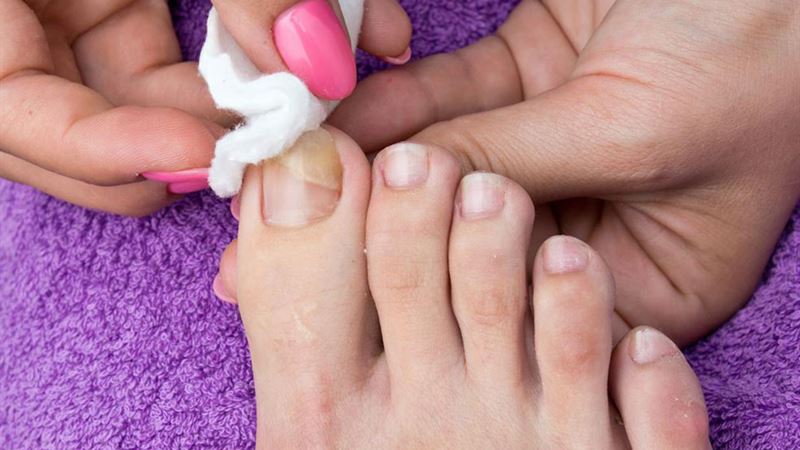
Fungal infections of the nails, medically known as onychomycosis, are caused by various fungi, including dermatophytes, yeasts, and molds. These microorganisms invade the nail plate via small cuts or separations between the nail and nail bed, leading to discoloration, thickening, and deterioration of the nail tissue. The environment plays a significant role in facilitating fungal growth, especially in humid, warm places such as locker rooms, public swimming pools, and showers. The fungi can persist in the environment for extended periods, making prevention and early intervention vital.
Fungal nail infections are not only unsightly but can also cause functional impairments, discomfort, and pain. In some cases, they may lead to secondary bacterial infections if bacteria invade compromised skin or nails. Fortunately, advances in dermatology have provided effective treatments, but timely diagnosis remains essential for successful management.
Factors That Increase the Risk of Nail Fungal Infections
Although anyone can develop a fungal nail infection, certain conditions and behaviors significantly heighten the risk. Recognizing these factors enables individuals to take preventive steps. The common risk factors include:
- Chronic health conditions such as diabetes, which impair immune response and circulation
- Poor blood circulation, especially in the extremities, making nails more vulnerable
- Advancing age, notably over 65, due to slower nail growth and reduced immunity
- Use of artificial nails or frequent nail injuries that create entry points for fungi
- Exposure to communal bathing facilities, swimming pools, or gyms
- Inadequate hygiene practices, such as not drying nails thoroughly after washing
- Having a weakened immune system due to illnesses or medications
- Gender differences, with men being more susceptible
- Persistent familial infections hinting at environmental or genetic predispositions
Addressing these risk factors through lifestyle modifications and medical consultation can significantly reduce the chance of developing nail fungal infections.
Identifying the Signs and Symptoms of Fungal Nail Infections
Early diagnosis of nail fungus is crucial for effective treatment. The symptoms can vary depending on the severity and type of fungus involved but generally include:
- Discoloration of the nails, often yellow, white, or brown hues
- Thickened, brittle, or crumbly nails that are difficult to trim
- Deformed nails, with distortion in shape or surface
- Presence of white or yellow streaks or spots beneath the nail surface
- Onycholysis — separation of the nail from the nail bed, making it lift easily
- Pitted or rough nail surfaces, with white or grayish flakes or pits
- Unpleasant odor emanating from the infected nail area
- Discomfort or pain, especially when pressure is applied
- Secondary bacterial infections causing redness, swelling, or pus in severe cases
Recognizing Common Indicators of Nail Infection
Spotting the key signs early can prevent the progression of fungal nail infections. Typical indications include:
- Fragile or broken nails that may easily lift from the nail bed
- Noticeable foul smell from the affected area
- Thickened or brittle nails that crack or split
- Visible yellowish or whitish discoloration in and around the nail
Effective Treatment Strategies for Nail Fungus
Most medical professionals recommend specific antifungal medications over OTC products due to their efficacy. Treatment options generally fall into oral medications, topical applications, and lifestyle adjustments. Oral antifungal drugs, such as terbinafine or itraconazole, are prescribed for extensive or persistent infections and typically require medical supervision due to potential side effects. Topical treatments include medicated nail lacquers or creams containing active antifungal agents, which are applied directly to the affected nails. In some cases, laser therapy or nail removal might be necessary for stubborn infections.
It’s important to follow the medical professional’s advice and complete the entire course of prescribed treatment. This ensures complete eradication of the fungi and minimizes the chances of recurrence.
Potential Complications Due to Untreated Nail Fungal Infections
- The infection reappearing even after treatment
- Permanent damage or loss of the affected nail
- Spread of infection to other nails or skin areas
- Discoloration and structural damage leading to pain and difficulty walking or using the hands
- Bacterial superinfections resulting in cellulitis or abscesses
- In rare cases, the fungi could enter the bloodstream, causing systemic complications
Preventive Measures and Best Practices
Prevention is always better than cure. Maintaining good nail hygiene and adopting certain habits can significantly decrease infection risks:
- Keep nails clean, dry, and well-trimmed to prevent fungi from establishing
- Avoid injuring the skin around the nails
- Use moisture-absorbing materials like cotton socks and breathable shoes
- Change socks regularly, especially after sweating or activities involving water
- Avoid walking barefoot in public spaces such as gyms, pools, and locker rooms
- Limit the use of nail polish and artificial nails to reduce nail vulnerability
- Disinfect pedicure and manicure tools regularly at reputable salons
- Immediately address any nail injuries or changes in appearance and consult healthcare providers when necessary
Additional Tips for Managing and Preventing Nail Fungus
Besides the basic hygiene routines, incorporating specific habits into your daily life can further mitigate risks:
- Use antifungal powders or sprays once or twice weekly as a preventive measure
- Wipe down shoes and socks regularly to eliminate fungal spores
- Ensure thorough drying of nails after bathing or swimming
- Choose quality nail care products and avoid sharing personal grooming items
- Consult dermatologists for persistent or recurrent infections for tailored treatment plans