
Effective Strategies to Prevent Bedbug Infestations Using Sprays and Natural Alternatives
Discover comprehensive strategies to prevent and eliminate bedbug infestations using chemical sprays, natural remedies, and proactive precautions. Learn about effective treatment options, resistance concerns, health and environmental impacts, and best practices for a pest-free home or property. This guide offers in-depth insights for homeowners and property managers seeking safe and sustainable bedbug control solutions.
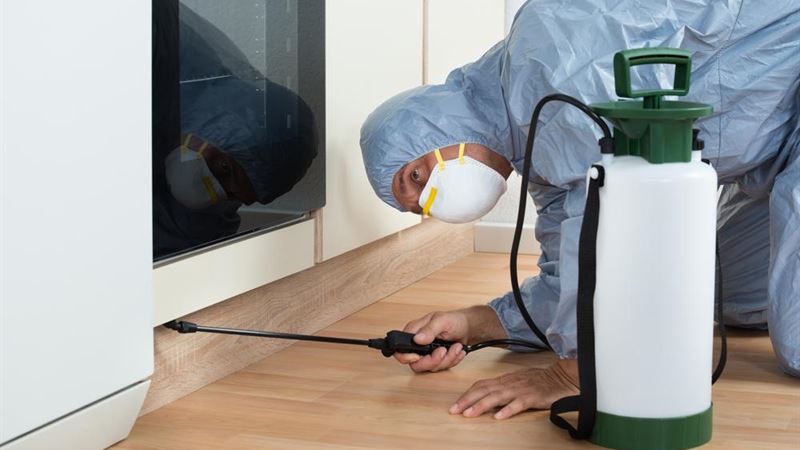
Dealing with bedbug infestations can be a daunting challenge for homeowners and property managers alike. While pesticide treatments are a common approach, they often require multiple applications and may encounter resistance from the resilient bedbugs. To effectively control and prevent infestations, it is vital to understand the limitations of chemical treatments and explore comprehensive prevention strategies that include both chemical and organic solutions. This extensive guide will provide insights into the most effective methods to prevent bedbug infestations with sprays, natural alternatives, and proactive measures that ensure a pest-free environment.
One of the primary methods employed in combating bedbugs involves the use of chemical pesticides. Generally, multiple treatments—often two to three cycles—are necessary to eradicate the pests completely. However, the efficacy of such treatments is increasingly compromised as bedbugs develop resistance to common insecticides. Bedbug resistance has been documented in various regions, making reliance on pesticides alone inadequate for long-term control. The key to success lies in properly timing applications and combining them with other non-chemical methods to improve results and minimize resistance buildup.
When utilizing chemical sprays, selecting the right formulations is crucial. Insecticides containing ingredients such as piperonyl butoxide and pyrethrum are popular choices. These substances need to be mixed at specific concentrations—typically around 6 milliliters per cubic meter—to ensure effective coverage. Additionally, other chemicals like propoxur, a carbamate insecticide, can be diluted with water for targeted treatment. Sulfuryl fluoride, primarily a fumigant, can penetrate infested materials and provide an effective kill if used correctly. These chemical agents, when applied properly, can significantly reduce bedbug populations, but caution must be exercised to avoid health and environmental hazards.
Complementing chemical treatments with physical methods such as steaming and vacuuming enhances the overall effectiveness. High-temperature steam can penetrate into cracks, crevices, and fabric fibers where bedbugs hide, killing both adults and eggs instantly. Vacuuming upholstery, mattresses, bed frames, and carpets removes live bugs and eggs. Discarding heavily infested items like mattresses, pillows, and bedding is necessary to prevent the spread of infestation. Proper disposal prevents re-infestation and minimizes the risk to other areas or neighboring properties.
Preventive measures should start before an infestation occurs. Covering mattresses with tight-fitting, cotton or specialized bedbug-proof covers creates a barrier that prevents bugs from nesting and hiding in bedding. Regular inspection of bedding, furniture, and surrounding areas can help detect early signs of infestation, allowing prompt action. Reducing clutter in bedrooms and living areas limits hiding spots where bedbugs can establish themselves. Implementing these strategies reduces the chance of infestation taking hold and facilitates easier detection and control.
The challenge of increasing pesticide resistance necessitates a cautious approach to chemical treatments. It's essential to follow manufacturer instructions meticulously and avoid overuse, which can lead to resistant strains. Moreover, the use of chemical pesticides requires considerations of health risks. Exposure to these substances can cause irritation to eyes, skin, and respiratory pathways, especially in children, elderly, or individuals with pre-existing health conditions. Side effects such as headaches, dizziness, nausea, stomach cramps, and allergic reactions may occur with improper handling or prolonged exposure.
Environmental concerns also play a significant role in pesticide use. Pesticide particles and fumes may linger in the air, soil, and water, contaminating the environment and affecting non-target species. Persistent residues can pose risks to pets, wildlife, and even humans if contaminated water sources are involved. Additionally, chemical sprays can alter indoor air quality, leading to headaches, respiratory discomfort, or exacerbating allergies. For these reasons, many homeowners seek eco-friendly chemical alternatives or natural remedies.
Natural and organic options for bedbug control are gaining popularity among environmentally conscious consumers. Herbal-based sprays made from ingredients like neem oil, lavender, tea tree oil, or diatomaceous earth are effective in repelling and killing bedbugs without posing significant health risks. These products often have fewer side effects and are safe for use around children and pets.
Choosing the right organic or herbal product is essential. Look for reputable brands with clear ingredient lists and proven efficacy. In addition to sprays, physical methods like steam cleaning, mattress encasements, and diligent cleaning routines form an integrated pest management approach that minimizes chemical reliance. Professional pest control specialists can also provide expertise in applying organic treatments and advising on best practices for prevention and eradication.
Ultimately, preventing bedbug infestations involves a combination of proactive measures, careful use of chemical treatments when necessary, and embracing organic alternatives for environmentally friendly pest control. Regular inspections, thorough cleaning, de-cluttering, and early intervention can save you time, money, and stress in managing these stubborn pests. By adopting an integrated approach, you can foster a safe, healthy, and pest-free living environment.