
Effective Strategies for Managing Skin Rashes Caused by Insect Bites
Learn comprehensive methods to effectively manage skin rashes and itching caused by insect bites. This guide covers identification, immediate remedies like cold packs and creams, and preventive measures to enjoy outdoor activities safely. Recognize signs of allergic reactions for prompt medical attention and adopt proactive steps such as protective clothing and repellents to reduce bites. Proper care and prevention can minimize discomfort and health risks associated with insect bites, ensuring a safer and more comfortable outdoor experience.
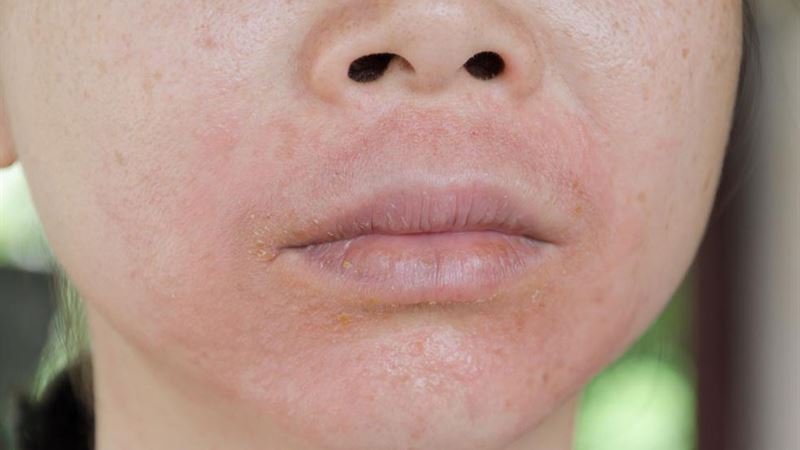
- When an insect bites, it releases venom or proteins that act as irritants directly into the skin, triggering a reaction from your body’s immune system.
- In response, the immune system releases histamine—a chemical responsible for many of the allergic symptoms—causing inflammation at the site of the bite.
- This inflammation results in blood vessel dilation, leading to swelling, redness, and often discomfort.
- The combined effect of histamine release and swelling also irritates nearby nerve endings, which produces the itching sensation commonly associated with insect bites.
Understanding how to identify and effectively treat insect bites can greatly reduce discomfort and prevent complications. Here is an in-depth guide to managing skin rashes and itching caused by insect bites:
- Identifying insect bites: Recognizing the common signs such as red swelling, itching, and occasionally small puncture marks is vital for prompt treatment.
- Applying cold therapy: Using a cold pack or an ice wrapped in a cloth applied indirectly can significantly reduce swelling and dull nerve response, easing discomfort.
- Topical treatments: Over-the-counter creams like calamine lotion, bite relief ointments such as AfterBite, or natural remedies like baking soda mixed with water can soothe irritated skin.
- Soothing baths: Bathing with Epsom salts has proven benefits in reducing itching and inflammation, providing relief from widespread bites.
- Monitoring for allergic reactions: Be alert for symptoms such as intense pain, joint swelling, fever, or difficulty breathing, which may signify serious allergic responses requiring immediate medical care.
Prevention remains the best approach. Wearing protective clothing that covers the skin and consistently applying insect repellents can significantly reduce the risk of bites, especially in areas with high insect populations. Taking proactive measures, such as using mosquito netting and avoiding known insect habitats during peak activity times, can keep your outdoor experiences safe and enjoyable. When bites do occur, timely and proper treatment can help you recover quickly and prevent secondary infections or complications. By understanding the nature of insect bites and how best to treat them, you can protect your health and comfort while enjoying the outdoors.