
Harnessing the Power of Turmeric to Alleviate Arthritis Symptoms and Improve Joint Health
Discover the remarkable health benefits of turmeric, especially its role in alleviating arthritis symptoms. This comprehensive guide explores how curcumin, the active compound, reduces inflammation, alleviates pain, and supports joint health. Learn natural ways to incorporate turmeric into your daily routine for improved mobility and overall well-being. From fighting chronic inflammation to boosting immune health, turmeric stands out as a potent, natural remedy that can complement conventional treatments. Whether you have osteoarthritis, rheumatoid arthritis, or other joint issues, this article offers expert insights into harnessing turmeric’s healing properties for a healthier, pain-free life.
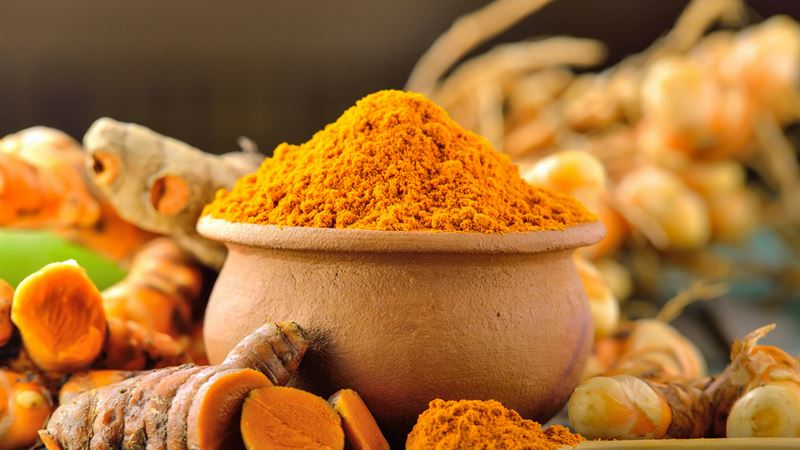
Exploring the Extensive Health Benefits of Turmeric
- Turmeric's primary active compound, curcumin, is renowned for its potent anti-inflammatory properties. It plays a crucial role in reducing inflammation, making it a valuable supplement for various health conditions.
- Oxidative stress caused by free radicals can damage vital body tissues, DNA, and proteins. Curcumin acts as a powerful antioxidant, neutralizing harmful free radicals and stimulating the body's natural antioxidant enzymes to protect cells effectively.
- Advancements in research indicate that curcumin can enhance cognitive functions, improve memory, and safeguard against neurodegenerative diseases like Alzheimer's and Parkinson's by promoting brain health.
Beyond its anti-inflammatory and antioxidant properties, curcumin also benefits cardiovascular health. It improves endothelial function, which is essential for maintaining healthy blood vessels. Proper endothelium function helps regulate blood pressure, blood flow, and prevents abnormal clotting, all of which support a healthy heart ecosystem.
Chronic inflammation and oxidative damage are common denominators in many major health issues, including heart diseases, certain types of cancer, and neurodegenerative conditions like Alzheimer’s disease. Incorporating turmeric into daily routines may offer long-term relief and contribute to increased lifespan by combating these underlying problems.
Depression, often described as the silent epidemic, affects millions worldwide, especially those under high stress. Curcumin exhibits properties similar to conventional antidepressants, helping elevate mood and support brain chemistry balance. Its ability to cross the blood-brain barrier enhances its effectiveness in treating mood disorders.
One of the most significant health benefits of turmeric is its role in managing symptoms associated with arthritis. This condition, characterized by joint inflammation and pain, impacts daily life and overall mobility. Understanding how turmeric can aid in this regard is paramount for exploring alternative and complementary therapies.
Understanding the Impact of Turmeric on Arthritis
Arthritis encompasses a group of musculoskeletal disorders marked by inflammation, swelling, and degeneration of joints. Common types include osteoarthritis, rheumatoid arthritis, infectious arthritis, and gout. These ailments cause persistent pain, joint stiffness, reduced mobility, muscle aches, fatigue, and loss of flexibility, severely affecting quality of life.
While conventional treatment options such as medications, physical therapy, and surgical interventions like joint replacements are prevalent, many individuals seek natural remedies to alleviate symptoms. Among these, turmeric stands out due to its anti-inflammatory, analgesic, and healing properties, which make it an effective adjunct in managing the disease.
- Natural Pain Relief
The curcumin compound in turmeric acts as an effective natural analgesic, targeting inflammation at the source. Its anti-inflammatory effects help minimize swelling and relieve pain associated with various forms of arthritis, reducing reliance on pharmaceutical painkillers. - Combatting Chronic Pain and Inflammation
Chronic inflammation damages joint cartilage and promotes further deterioration. Curcumin helps suppress inflammatory pathways, alleviating joint pain and preventing the spread of inflammation to other tissues and organs. - Supporting Cell Regeneration
Research suggests curcumin may aid in reversing cellular damage, including skin cellular degeneration caused by psoriatic arthritis, and supports skin health by reducing inflammation that exacerbates skin conditions. - Fighting Infections
People with psoriatic arthritis are more susceptible to bacterial, viral, and fungal infections. Due to its antimicrobial properties, curcumin can help hinder the growth and spread of pathogens, strengthening immunity and reducing infection risk. - Modulating Gene Expression
Curcumin influences gene activity by regulating transcription factors and proteins involved in inflammatory responses, thereby supporting overall cellular health and mitigating disease progression. - Preventing Disease Progression
In autoimmune conditions like rheumatoid arthritis, certain immune cells resist traditional treatments. Curcumin can specifically target these cells, reducing inflammatory cytokines and slowing disease advancement. - Regulating Autoimmune Disorders
Curcumin mimics natural immune modulators, helping to recalibrate immune responses in autoimmune diseases such as lupus and rheumatoid arthritis, preventing the immune system from attacking healthy tissues. - Enhancing Bone and Cartilage Health
The inflammatory processes in arthritis accelerate bone loss and cartilage degradation. Curcumin reduces inflammation within joints, helps preserve cartilage integrity, and promotes bone density for improved joint function over time.
In summary, turmeric offers a holistic approach to managing arthritis symptoms. Its anti-inflammatory, antioxidant, and immune-regulating properties make it a versatile supplement for anyone looking to reduce pain, prevent joint deterioration, and enhance overall joint health. Combining turmeric with other lifestyle modifications and medical treatments can empower individuals to take control of their arthritis management journey, improving quality of life and future outlooks.