
The Therapeutic Role of Turmeric in Managing Arthritis Symptoms
Explore how turmeric’s active compound, curcumin, offers natural relief for arthritis symptoms. This comprehensive guide discusses turmeric's anti-inflammatory benefits, its role in joint protection, and how it serves as a safe alternative to traditional medications. Discover the science behind turmeric’s effectiveness in managing swelling, pain, and stiffness, along with tips for incorporating it into your routine for improved joint health. A natural solution with proven results, turmeric is becoming a popular choice for arthritis sufferers seeking safer, holistic treatment options.
Exploring Effective Treatments for Arthritis
When diagnosed with arthritis, many patients are aware of traditional treatment methods. Typically, healthcare providers recommend medications such as corticosteroids and non-steroidal anti-inflammatory drugs (NSAIDs) to manage symptoms. While these medications can provide temporary relief, they are often associated with a range of undesirable side effects, especially in older adults. These adverse effects can sometimes diminish the quality of life, prompting many individuals to seek alternative, natural remedies. Among these options, turmeric has emerged as a potent natural supplement with promising benefits in alleviating arthritis symptoms. If you're battling joint pain, swelling, and stiffness, incorporating turmeric into your health regimen might offer significant relief and improve joint function over time.
Understanding the Advantages of Turmeric in Combatting Arthritis
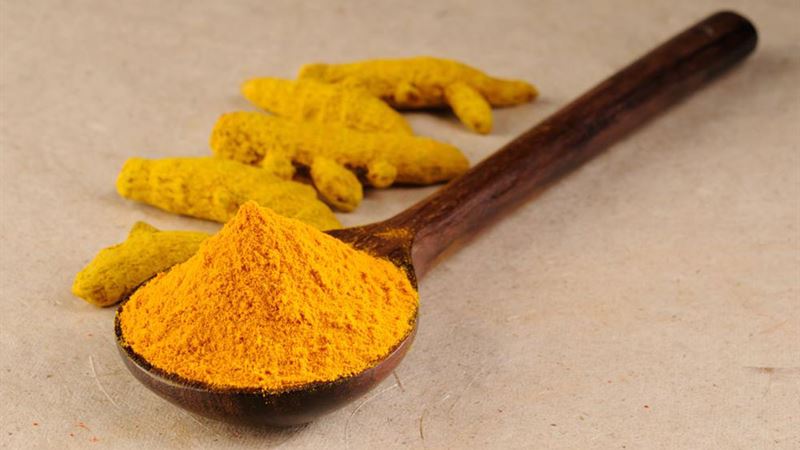
Turmeric, a vibrant yellow spice derived from the root of the plant Curcuma longa, is not only a culinary favorite but also a prominent element in traditional medicine systems like Ayurveda and Traditional Chinese Medicine. Native to South Asia, especially India and China, turmeric has been valued for centuries for its medicinal properties. The primary bioactive compound in turmeric is curcumin, renowned for its potent anti-inflammatory and antioxidant capabilities. These properties make turmeric particularly suitable for addressing the inflammation that characterizes arthritic conditions.
Turmeric’s active component, curcumin, exhibits remarkable anti-inflammatory properties. It achieves this by inhibiting key enzymes such as lipoxygenase (LOX) and cyclooxygenase (COX), which are involved in the inflammatory process. Unlike NSAIDs, curcumin does not cause gastric erosion or kidney damage, providing a safer profile for long-term management. Scientific studies highlight that curcumin not only curtails inflammation but also shields joints from further degradation. For instance, research indicates that curcumin inhibits the activation of nuclear factor kappa-light-chain-enhancer of activated B cells (NF-κB), a transcription factor that promotes the expression of inflammatory cytokines. Additionally, some studies reveal that curcuminoids can lower levels of C-reactive protein (CRP), a biological marker associated with systemic inflammation. These benefits collectively position turmeric as a powerful natural anti-inflammatory agent suitable for managing arthritis.
Beyond halting inflammation, turmeric supports joint health by protecting the integrity of the synovial fluid—a vital lubricant for smooth joint movement. Specialized formulations of curcumin have been developed to improve absorption and efficacy, making them more accessible as dietary supplements. Moreover, owing to its safety profile, turmeric can be used as an adjunct or alternative to prescription medications, potentially reducing reliance on NSAIDs and corticosteroids. Many patients report a noticeable reduction in joint swelling and pain after consistent use of turmeric supplements, with improved joint mobility and less stiffness.
Incorporating turmeric into daily routine—either through dietary means or as supplements—can offer a natural, effective approach to managing arthritis symptoms. It is essential to consult healthcare professionals before starting any new supplement regimen, particularly for individuals with existing health conditions or those on medication. The ongoing research continues to support turmeric’s role in arthritis care, making it a promising candidate for holistic disease management. Whether used alone or integrated into a comprehensive treatment plan, turmeric's therapeutic benefits make it a valuable addition for those seeking a safer, natural alternative to conventional arthritis medications.