
Choosing the Perfect Home Heating System: A Comprehensive Guide
Discover expert tips and comprehensive guidance on choosing the ideal home heating system. This detailed guide covers fuel options, efficiency, costs, and different system types, helping homeowners make informed decisions for comfort and savings. Learn how to evaluate long-term expenses and find the perfect heating solution tailored to your home's needs, climate, and budget for optimal performance and energy efficiency.
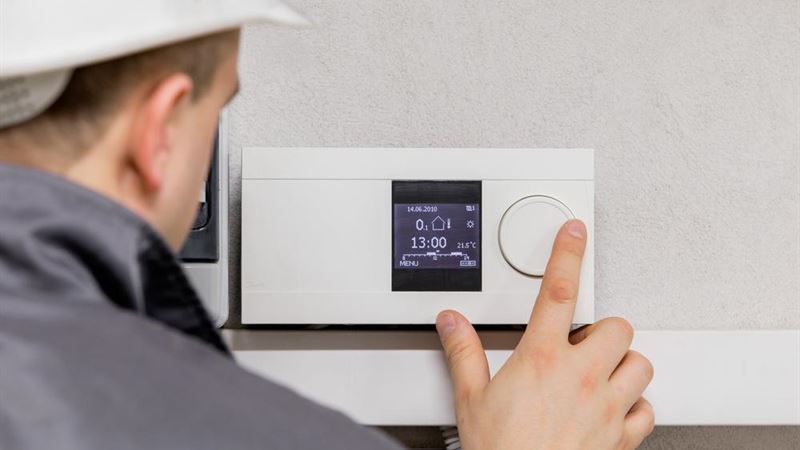
Selecting the ideal heating system for your home is a critical decision that influences comfort, energy bills, and overall home efficiency. Various factors such as fuel availability, system efficiency, upfront costs, long-term maintenance, and specific home requirements all play essential roles in this choice. This guide provides in-depth insights into evaluating different heating systems, understanding fuel options, and choosing the most suitable technology tailored to your needs.
In regions where natural gas pipelines are not accessible, homeowners often turn to alternatives like propane or LPG (liquefied petroleum gas). Recognizing which fuel sources are readily available and economical in your area is vital before making a final decision. The availability and cost of fuels directly impact the overall operating expenses and should be carefully considered during your planning process.
Efficiency Considerations
One of the most critical aspects when selecting a home heating system is its efficiency. A highly efficient system can significantly reduce energy consumption, leading to lower utility bills over its lifespan. System efficiency is usually expressed as an Annual Fuel Utilization Efficiency (AFUE) rating for furnaces and boilers, or Coefficient of Performance (COP) for heat pumps. The higher these ratings, the less energy is wasted.
Investing in a high-efficiency heating system may involve higher upfront costs, but the savings accrued through lower energy bills and reduced maintenance visits can outweigh the initial investment. Additionally, more efficient systems tend to operate more quietly, providing a more comfortable living environment while minimizing wear and tear on mechanical components, ultimately extending the system's lifespan.
Analyzing Overall Costs
When comparing various heating options, it’s essential to look beyond the purchase price. A comprehensive cost analysis should encompass installation expenses, ongoing fuel costs, maintenance, repairs, and potential end-of-life replacement costs. Energy labels, such as the yellow and black Energy Guide, offer valuable estimates of annual energy consumption and costs based on typical usage patterns.
Consulting with local utility providers can provide additional data on operational costs for different systems, helping you make an informed decision. Furthermore, a qualified heating contractor can offer tailored maintenance cost estimates, allowing you to evaluate the total cost of ownership over the system’s lifespan.
Types of Home Heating Systems & Available Options
Several types of heating systems cater to different needs, preferences, and budgets. The most common options include forced-air furnaces, hot water or hydronic boilers, electric heat pumps, and radiant floor heating systems. Each has unique advantages and limitations:
- Forced-Air Furnaces: Widely used, these systems distribute heated air via ductwork. They are compatible with central air conditioning systems and can be equipped with air filtration units for improved indoor air quality.
- Hot Water Boilers: These systems heat water, which is then circulated through radiators or underfloor piping. They are known for providing consistent, comfortable heat and are energy-efficient when paired with high-efficiency burners.
- Electric Heat Pumps: Suitable for moderate climates, heat pumps transfer heat from the outside air to inside your home. They are highly efficient and environmentally friendly but may struggle in extremely cold conditions unless paired with supplemental heating.
- Radiant Floor Systems: These systems involve installing heated mats or pipes beneath flooring, offering uniform heat distribution. They provide a cozy indoor environment and are energy-efficient but can be costly to install initially.
Choosing the right system involves understanding your home's size, insulation, local climate, and personal comfort preferences. Engaging a professional HVAC expert is advisable to determine the most appropriate solution tailored to your specific circumstances.
Thorough Research and Customer Feedback
Before making a final decision, it’s beneficial to conduct comprehensive research and gather insights from existing users. Online forums, review platforms, and customer testimonials serve as valuable resources. Real-world experiences often reveal practical pros and cons that technical specifications alone may not cover.
Discussing options with experienced HVAC technicians and asking for demo sessions or detailed explanations can help clarify features and operational costs. Remember, investing time in research ensures you select a system that balances performance, efficiency, and affordability, providing peace of mind and long-term satisfaction.