
Essential Tips and Warning Signs When Purchasing a Used Motorhome
Buying a used motorhome requires careful inspection and awareness of potential issues. This detailed guide highlights critical red flags, including moisture problems, mechanical faults, and record verification, providing essential tips for a confident purchase. Engage professionals for inspections, verify vehicle history, and thoroughly test drive the vehicle to ensure reliability. Proper assessment of the kitchen and plumbing systems is also crucial to avoid future costly repairs. By following these comprehensive steps, buyers can confidently select a dependable used motorhome suited for adventure and travel.
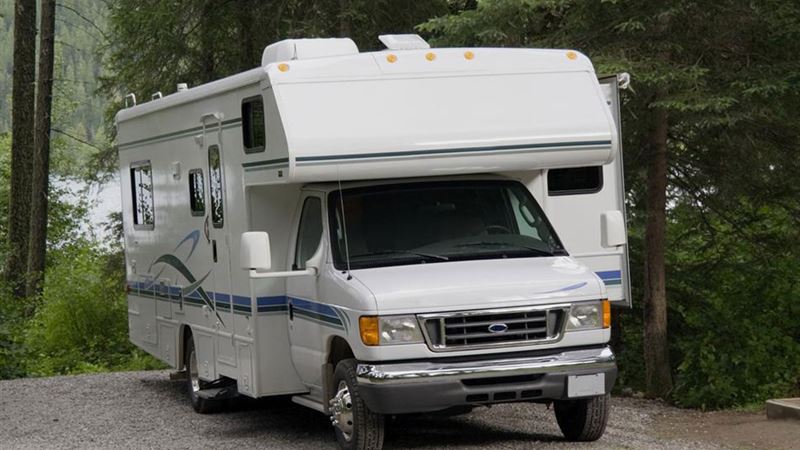
Embarking on the adventure of owning a used motorhome can be an exciting experience, but it also requires careful scrutiny to avoid unnecessary pitfalls. Whether you're a seasoned traveler or a first-time buyer, being aware of the critical indicators that could signal underlying issues is essential. This comprehensive guide lays out vital tips and red flags to consider before making that purchase, ensuring you get a reliable vehicle at a fair price and avoid costly future repairs.
- Assemble a knowledgeable team: Whenever possible, join forces with individuals who have expertise in motorhomes, such as a mechanic or an experienced enthusiast. Having an extra set of observant eyes significantly increases your chances of spotting potential problems that you might overlook. A professional mechanic can identify issues related to the vehicle’s structure, mechanical systems, and electrical components, giving you greater confidence in your decision. Collaborate with a friend or partner capable of scrutinizing the motorhome thoroughly to minimize the risk of overlooking hidden faults.
- Perform thorough checks on records: Always review the Vehicle History Report, including HPI checks, to confirm that the motorhome is not reported stolen or involved in any fraudulent activities. It is equally vital to verify that the vehicle hasn't been declared a total loss or written off by insurers. This information helps avoid buying a vehicle with hidden liabilities, which could lead to expensive repairs or insurance disputes in the future.
- Inspect for moisture and dampness issues: Dampness is a common problem in used motorhomes that can lead to mold, rot, and further structural damage. Engage a professional inspector experienced in identifying moisture issues; they will use specialized tools like moisture meters to detect hidden dampness. Severe water damage can be costly to repair, so it’s crucial to factor in potential repair costs into your budget. Also, ensure that the quoted price reflects the condition of the vehicle, particularly if signs of dampness or previous repairs are evident.
- Have a professional inspect the engine and mechanical systems: Enlist the expertise of a certified motor technician to conduct a detailed inspection of the engine, transmission, brakes, and suspension systems. This helps identify existing mechanical faults or impending failures. Additionally, verify the vehicle's service history and maintenance logs—regular servicing indicates good upkeep. Check the condition of vital components such as belts, hoses, and filters since their wear can signal the overall health of the vehicle.
- Test drive and insurance considerations: Always take the motorhome for a test drive to assess its performance firsthand. Pay attention to engine responsiveness, unusual noises, vibrations, or performance inconsistencies. Confirm that your insurance policy covers the vehicle adequately and consider consulting with your provider about coverage options. A test drive can reveal underlying issues not apparent during visual inspections, providing peace of mind before purchasing.
- Evaluate the kitchen and appliances: Inside the motorhome, scrutinize the kitchen area, including gas supplies, electrical connections, and appliances. Test the functionality of the stove, refrigerator, microwave, and other fixtures. Ensure there are no gas leaks or electrical faults that could pose safety hazards. Inspect the integrity of the appliances and gauge whether they meet your needs; replacing faulty appliances later can be costly. A well-maintained kitchen indicates the seller’s overall attention to vehicle upkeep.
- Inspect the bathroom and plumbing system: Proper plumbing and sanitation are essential to the vehicle’s usability. Check all plumbing fixtures, pipes, and drainage systems for leaks or corrosion. Examine the water heater, pump, and waste disposal units. Poorly maintained bathrooms can diminish comfort and potentially cause water damage or mold growth, impacting the vehicle’s overall condition. Ensure everything functions smoothly to avoid future repairs and discomfort.
By keeping these vital considerations in mind, potential buyers can significantly reduce the risk of purchasing a used motorhome with hidden flaws. A meticulous inspection, proper record checks, and professional assistance are integral to making a confident and purchase-worthy decision. Investing time and effort upfront saves you money and stress down the line, helping you enjoy many wonderful adventures in your new-to-you motorhome.