
Comprehensive Guide to Purchasing a Used RV: Essential Tips and Strategies
Discover an extensive, step-by-step guide on buying a used RV, covering needs assessment, trade shows, rentals, education, model selection, searching, inspection, and negotiations. Equip yourself with tips to make an informed purchase that aligns with your lifestyle and budget, ensuring memorable travels with your new motorhome or camper.
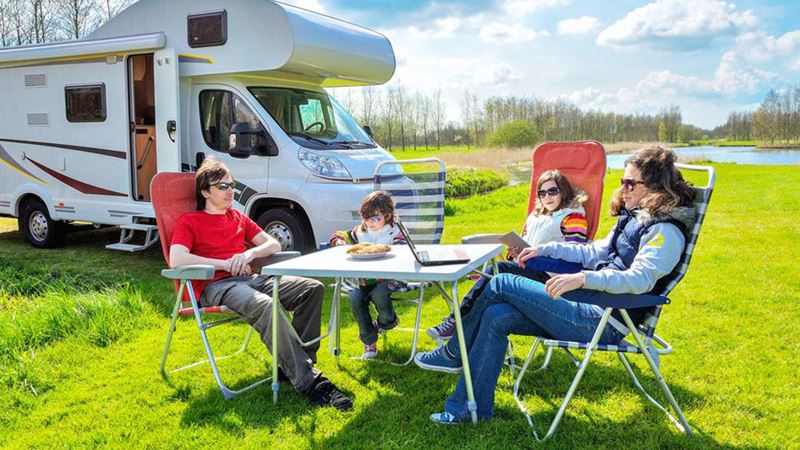
Embarking on the journey to own a used recreational vehicle (RV) can be both exciting and challenging. With countless options available and numerous factors to consider, it's crucial to be well-informed before making such a significant investment. This extensive guide aims to walk prospective buyers through every critical step, from understanding different RV types to negotiating the best deal. Whether you're a first-time buyer or an experienced enthusiast, mastering the art of buying a used RV ensures you make a sound choice that suits your lifestyle and budget.
Assess Your Needs and Preferences
Before diving into the world of used RVs, take some time to clarify what you want. The first step involves determining the size, type, and features that best fit your travel plans and lifestyle. Do you prefer a compact camper van, a mid-sized motorhome, or a full-sized RV with all amenities? Are you planning on weekend getaways, extended road trips, or full-time RV living? Answering these questions will help narrow your options significantly.
Consider how many people will typically travel with you. Families with children may require more sleeping space and additional storage, while solo travelers might prioritize maneuverability and fuel efficiency. Think also about the amenities you desire, such as an equipped kitchen, bathroom facilities, heating and cooling systems, or entertainment options. Clarifying these preferences early on helps in searching for models that align with your expectations and avoids wasting time on unsuitable options.
Participate in RV Trade Shows and Expos
Attending RV trade shows can be an eye-opening experience. These events showcase a variety of models, innovations, and upgrades, providing valuable insights into the latest industry trends. Remember, at these shows, you're not making purchases but exploring options, gathering ideas, and expanding your knowledge. Walk around different booths, compare features, and take notes on what catches your eye. It's also an excellent opportunity to speak directly with manufacturers and dealers, ask questions, and get a feel for the market pricing.
Bring a checklist of your must-have features and consider taking advantage of special show discounts or financing offers. Be aware that the primary purpose of trade shows is to expose consumers to products; therefore, patience and thorough examination are key to making an informed decision later.
Test-Drive and Rent a Suitable Model
One of the most effective ways to understand an RV's handling, comfort, and functionality is by renting a similar model for a short period. Many rental companies offer a wide range of RV types for lease, allowing you to experience the vehicle firsthand before committing to purchase. This trial run enables you to assess driving ease, parking, storage space, and overall comfort during a typical trip.
During your rental, try to simulate your usual travel conditions—set up camp, use the appliances, and stay overnight if possible. Pay attention to the ease of setup, fuel consumption, and maintenance needs. It’s also beneficial to practice common tasks such as backing up, turning, and maneuvering in tight spaces. This hands-on experience fosters greater confidence and helps identify any potential issues before making a financial commitment.
Educate Yourself through Books and Resources
Knowledge is power, especially when purchasing a used RV. Numerous books and online resources written by industry experts can guide you through the nuances of RV ownership. These materials often cover topics such as inspecting RVs for potential issues, understanding technical specifications, and tips for long-term maintenance.
Some publications detail common pitfalls, red flags to watch out for, and advice on budgeting for repairs and upgrades. Reading reviews and testimonials from experienced RV owners can also provide realistic insights into different models' pros and cons. By arming yourself with solid information, you'll be better prepared to evaluate used RVs critically and make sound choices.
Choosing the Right Model and Seeking Community Advice
Once you've narrowed down a few models that fit your criteria, it’s beneficial to consult online forums, social media groups, and dedicated RV communities. These platforms are treasure troves of user experiences, maintenance tips, and honest reviews. Engage in discussions, ask questions, and seek advice from seasoned RV owners who have firsthand knowledge of specific makes and models.
Additionally, reading customer reviews and ratings on trusted websites can reveal potential issues or highlights of particular RVs. Community insights can sometimes uncover important details not immediately apparent from manufacturer specifications or dealer descriptions, giving you a more comprehensive picture of what to expect.
Locate Used RVs: Online and Local Marketplaces
Finding a reliable used RV requires diligent searching. Several reputable online platforms, such as rvzen.com and others, allow you to search for used RVs filtered by model, price range, year, and specifications. These websites typically list RVs available from both dealers and individual owners, offering a broad selection.
Don’t overlook local classifieds, community bulletin boards, or word-of-mouth opportunities within your neighborhood. Sometimes, private sellers offer highly competitive prices, and negotiating directly may work in your favor. Always verify the legitimacy of the listing, and don’t hesitate to ask for detailed information and additional photos.
Rigorous Inspection Before Purchase
Before finalizing your purchase, conducting a thorough inspection of the RV is crucial. Prepare a comprehensive checklist covering all vital components, such as the engine (for motorhomes), tires, brakes, plumbing, electrical systems, appliances, and interior fixtures. You can find sample checklists online or create your own tailored to your needs.
Ask the seller to demonstrate all operational systems—turn on the refrigerator, check the heater and air conditioning, test the water pump, and verify the functionality of the batteries and solar panels if present. Inspect the exterior for signs of rust, leaks, or previous damage. Also, check for any lingering odors, water stains, or mold inside the vehicle.
Plan to have a professional inspection if you're uncertain about any technical aspects. An experienced RV mechanic or technician can identify potential issues that might not be immediately visible, saving you from future costly repairs.
Negotiation and Finalizing the Deal
Negotiating the price of a used RV can be a lengthy process, often involving back-and-forth discussions. It's advisable to start by offering a figure slightly below your maximum budget to leave room for bargaining. Be respectful and courteous; aggressive or insulting offers can jeopardize negotiations.
Gather information on comparable models and recent sales to support your offer. If the seller is willing to negotiate, aim for a price that reflects the RV’s condition, age, and market value. Once an agreement is reached, ensure all terms are documented clearly, including any warranties or repairs promised. Finalize your purchase with a proper contract and receipt to safeguard both parties.
Embarking on the purchase of a used RV can be a rewarding experience, provided you undertake diligent research, inspections, and negotiations. With thorough preparation and patience, you will find a vehicle that not only fits your travel needs but also becomes a faithful companion on countless adventures ahead.