
Comprehensive Guide to Effective Testicular Cancer Treatments You Must Know
This comprehensive guide provides in-depth information about testicular cancer treatments, including surgical procedures, radiation therapy, chemotherapy, and advanced options like stem cell support. Understanding these treatments helps patients make informed choices, improving prognosis and quality of life. Early detection and personalized treatment strategies are vital for successful management.
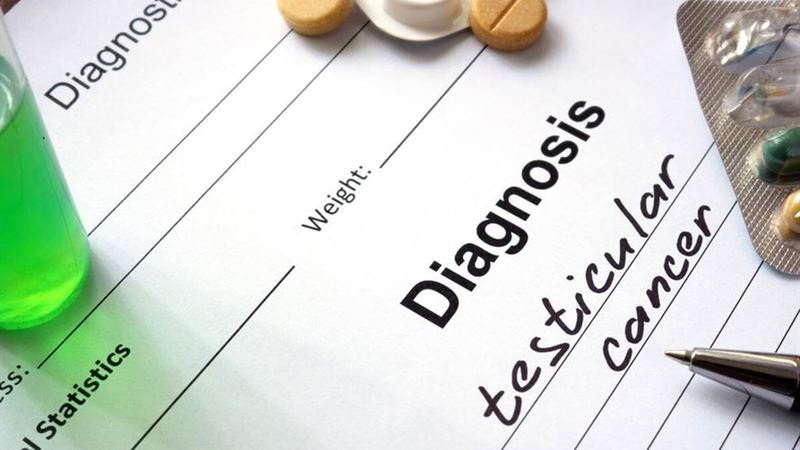
Testicular cancer arises when malignant cells develop within the testicular tissue, disrupting normal cell functions and multiplying uncontrollably. This condition often presents with symptoms such as a noticeable lump or swelling in the testicles, which can be painless or cause discomfort. Additional signs include a heavy sensation in the groin or lower abdominal region, fluid accumulation within the scrotum, and persistent pain in the back or groin area. Early detection is crucial for successful treatment outcomes, and understanding the available therapeutic options can significantly influence prognosis.
There are multiple treatment modalities for testicular cancer, each tailored to the stage of the disease and the patient’s overall health. These options include surgical procedures, radiation therapy, chemotherapy, and targeted support therapies, each with specific benefits and potential side effects. Understanding the intricacies of these treatments can empower patients and caregivers to make informed decisions. It is important to weigh the benefits against possible adverse effects such as infertility, hormonal imbalances, and sexual dysfunction. Consulting with a multidisciplinary medical team ensures personalized treatment plans that optimize recovery and quality of life.
Below, we explore the primary methods used in the management of testicular cancer, elaborating on their procedures, indications, benefits, and limitations:
- Radiation Therapy
Radiation therapy employs high-energy beams to target cancerous cells directly. This treatment involves directing external radiation towards affected areas, damaging the DNA of cancer cells to inhibit their ability to grow and divide. Normal cells nearby often recover over time, but cancer cells are less resilient to radiation damage. Typically administered in multiple sessions, radiation therapy aims to eradicate residual cancer cells after surgery or during specific stages of advanced disease. Common side effects include fatigue, gastrointestinal disturbances such as nausea and diarrhea, skin irritation, and general weakness. While effective, radiation therapy is usually reserved for certain cases due to its side effect profile and potential impact on surrounding tissues.
- Radical Inguinal Orchiectomy
This surgical procedure involves the complete removal of the affected testicle to prevent further spread of the cancer. The operation is performed through an incision in the groin area, allowing precise excision of the testis, spermatic cord, and surrounding tissues as needed. The procedure is typically conducted under general anesthesia, and patients are monitored closely post-operation to prevent infection and ensure proper healing. Orchiectomy effectively confirms the diagnosis through histopathological examination and often serves as the initial step in treatment. Postoperative care may include hormonal therapy or additional treatments depending on staging.
- Retroperitoneal Lymph Node Dissection (RPLND)
This surgical intervention targets the removal of lymph nodes located behind the abdominal cavity, near the aorta. RPLND is primarily indicated for patients whose cancer has advanced to stage II, showing spread to lymph nodes. The procedure aids in both staging and controlling disease progression, reducing tumor burden, and improving long-term survival prospects. It involves a complex surgery with potential complications such as nerve damage, hydrocele formation, or vascular injury. The decision to undergo RPLND is made after comprehensive imaging and assessment by the oncological team, ensuring the best personalized treatment plan.
- Chemotherapy
Chemotherapy utilizes potent anti-cancer drugs delivered orally or intravenously to target cancer cells systemically. This treatment is particularly effective when the disease has metastasized beyond the testicles. Chemotherapy for testicular cancer often involves multiple cycles, with precise dosing schedules to maximize efficacy while minimizing adverse effects. Common side effects include hair loss, nausea, fatigue, anemia, sore throat, and reduced appetite. Importantly, chemotherapy can impact fertility, making sperm banking an advisable option beforehand. It plays a crucial role in managing advanced disease and achieving remission when combined with other treatments.
- High-Dose Chemotherapy with Stem Cell Support
For aggressive or advanced testicular cancer, high-dose chemotherapy offers a more intensive approach. This method involves administering a significantly increased dose of chemotherapeutic agents to eradicate residual cancer cells. Because such high doses can severely damage the bone marrow—responsible for blood cell production—stem cells are harvested from the patient prior to treatment. These stem cells are then reintroduced post-therapy, aiding in the regeneration of healthy blood cells. This procedure, often referred to as stem cell transplant, requires careful planning and management but offers increased chances of remission in difficult cases. Patients need thorough evaluation to determine candidacy for high-dose therapy, as it involves substantial risks and benefits.
Choosing the appropriate treatment depends on various factors, including the tumor stage, histological type, patient's overall health, and personal preferences. Collaborative decision-making with a team of specialists ensures tailored therapy plans aimed at optimal outcomes and minimized side effects. Advances in research continue to improve these options, offering hope for better survival rates and quality of life for those affected by testicular cancer. Early diagnosis and prompt intervention remain key in fighting this disease effectively.