
Comprehensive Guide to Maintaining and Caring for Your Goodyear Tires
Learn comprehensive strategies for maintaining and caring for your Goodyear tires. This guide covers essential tips such as regular pressure checks, damage inspections, choosing the right tire type, and leveraging vehicle warning systems. Proper care extends tire life, improves safety, and boosts vehicle performance. Whether you're a daily commuter or a long-distance traveler, these expert recommendations will help you keep your Goodyear tires in top condition, ensuring smoother rides and safer drives. Discover how proper tire maintenance can save you money and prevent accidents.
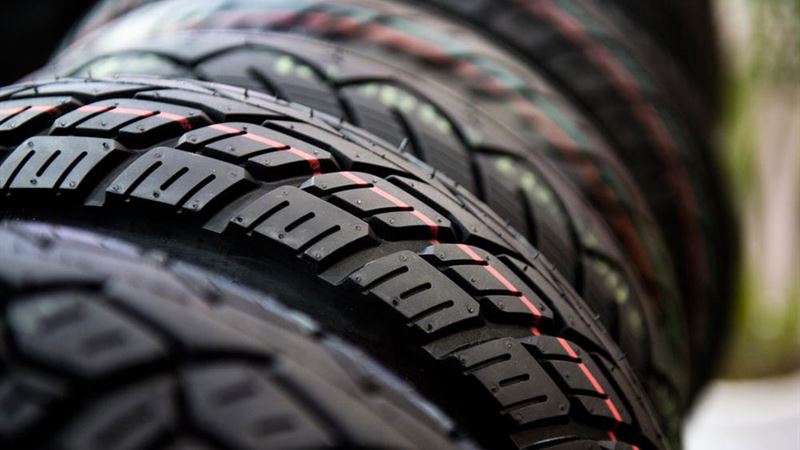
Regular Tire Inflation Checks: The Cornerstone of Tire Maintenance
Maintaining proper tire pressure is fundamental to vehicle safety, fuel efficiency, and tire longevity. Under- or over-inflated tires can lead to uneven wear, poor handling, reduced fuel economy, and increased risk of blowouts. To avoid these hazards, it is recommended to check your tires at least once every month. This routine check should be performed when the tires are cold—preferably after the vehicle has been parked for at least three hours—to ensure accurate readings.
Use a high-quality, precise tire pressure gauge to measure the pressure, and compare it with the manufacturer's recommended PSI (pounds per square inch). You can find this information in your vehicle’s owner manual or on a sticker typically located on the driver’s side door jamb. Remember that temperature changes can affect tire pressure; cold weather often causes a decrease in PSI, so adjustments might be necessary during colder months to maintain optimal pressure. Consistently proper inflation enhances ride comfort, improves fuel economy, reduces tire wear, and contributes to overall driving safety.
Inspections for Damage: Ensuring Safety and Reliability
Periodic visual inspections of your Goodyear tires are crucial for spotting issues such as cuts, punctures, cracks, bulges, or foreign objects lodged in the tread. Damage can occur from various sources, including potholes, debris, curb impacts, or manufacturing defects. It’s advisable to inspect your tires at least once a month, paying close attention to the sidewalls and tread depths.
If you notice any irregularities—such as uneven tread wear, cracks, or visible damage—do not delay in consulting a professional technician or your tire service center. Driving with compromised tires significantly increases the risk of accidents, blowouts, and vehicle malfunctions. Addressing problems early can save lives and prevent costly repairs. Keep a record of your inspections and replace or repair tires as needed to maintain optimal safety standards.
Select the Right Tires for Peak Performance
Choosing the correct size and type of tire is vital for maximum performance, safety, and efficiency. Goodyear offers a wide range of tires designed for various driving conditions, weather patterns, and vehicle specifications. It’s recommended to use matching tires on all four wheels, especially those of the same size and model, to ensure balanced handling and traction.
While mixing different tire types or sizes can sometimes be necessary due to vehicle design or tire availability, it is generally discouraged unless advised by the manufacturer. Incorrect tire choices can lead to uneven wear, poor handling, and compromised safety. Always refer to your vehicle’s manual or consult with authorized dealers when replacing tires to ensure compatibility.
Utilize Vehicle Monitoring Systems and Indicators
Modern vehicles are equipped with advanced tire pressure monitoring systems (TPMS) that alert drivers to abnormal tire pressures. Recognizing and responding to these alerts promptly can prevent dangerous situations on the road. Read your vehicle’s owner manual thoroughly to understand the nature of these warnings and the appropriate corrective actions.
If your vehicle indicates low or high pressure, check your Goodyear tires immediately. In some cases, pressure adjustments or repairs may be necessary. If the alert persists despite proper inflation, seek professional assistance. Maintaining an awareness of these system alerts helps ensure your tires are always in the best condition, reducing the likelihood of accidents caused by tire failure.
Why Choose Goodyear Tires?
Goodyear is renowned worldwide for its high-quality, reliable tires suitable for all seasons and driving conditions. Their extensive product range includes options for summer, winter, and all-season use, catering to diverse customer needs. Whether you’re driving in snowy terrains, rainy highways, or dry city streets, Goodyear tires are designed to deliver safety, durability, and excellent performance.
Keep an eye out for seasonal deals and promotions available on the Goodyear website or authorized retailers. Proper maintenance combined with the right choice of tires can significantly extend the lifespan of your investment. Regular checks, timely replacements, and adherence to manufacturer guidelines will help you maximize your vehicle’s efficiency and ensure peace of mind on every journey.