
Effective Strategies for Eliminating Voles from Your Property
Discover comprehensive and effective methods to eliminate voles from your property. Learn to identify signs early, set traps, use natural repellents, build barriers, and modify your landscape to keep these damaging rodents away. Professional pest control options are also discussed for severe infestations, ensuring a safe and humane approach towards maintaining a vole-free environment. Protect your garden and landscape from extensive damage with these proven strategies that promote ongoing prevention and control.
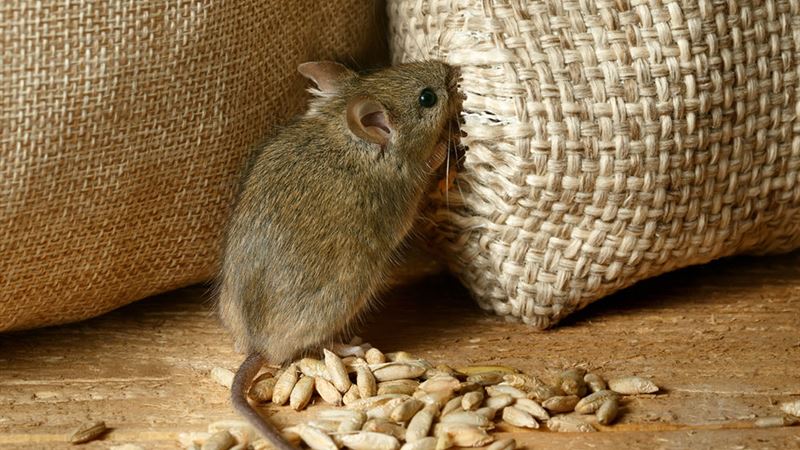
Voles are small, herbivorous rodents that often go unnoticed yet can cause significant damage to gardens, lawns, and landscapes. Recognizing their presence early is essential for effective control. Unlike moles, which create deep tunnels accompanied by surface mounds, voles primarily inhabit shallow underground runways and leave minimal surface evidence. These creatures belong to the rodent family, related to lemmings and hamsters, and are sometimes mistaken for mice due to their similar appearance. Adult voles typically measure between 5 to 8 inches in length and are characterized by dense fur that can range in color from black and brown to various shades of gray. Their ability to breed multiple times throughout the year, especially during spring and summer, can lead to rapid population growth and extensive damage if left unchecked.
Understanding vole behavior and biology is crucial for effective management. Voles have a relatively short lifespan, averaging around 6 months to a year, but their high reproductive rate makes them a persistent pest. When they breed during peak seasons, their populations can explode within a short time, resulting in widespread destruction of gardens, lawns, and agricultural crops. Damage from voles manifests through several telltale signs, including extensive root and bulb feeding, which can lead to plant wilting or death, as well as the formation of numerous shallow tunnels just beneath the soil surface. Recognizing these signs early can significantly improve your chances of controlling their spread before they cause irreversible harm.
### Identifying Vole Infestation Signs
- Presence of small, shallow burrow openings connected to a network of underground runways
- Gnawed roots, bulbs, stems, or the base of plants and shrubs
- Localized patches of dead or damaged grass and plants
- Fecal pellets, often less than a quarter-inch long, scattered around burrow entrances
- Clipped grass and trampled vegetation along pathways and runways
- Damage to tree roots, sometimes causing crown dieback or leaning
Early detection involves inspecting your property for these signs, especially after winter or heavy rains when tunnels may become more visible. Look for small holes in the ground that lead directly into the feeding tunnels. Pay special attention to the health of your plants; sudden wilting or dieback, especially around the base of trees and shrubs, may indicate vole activity. Keeping an eye out for fresh droppings and chewed plant material will help confirm their presence and guide your control efforts.
### Comprehensive Methods for Vole Control
- Trapping: Setting up snap traps or live traps along vole runways and near burrow entrances is often the most effective way to reduce their populations. When placing traps, ensure they are located where vole activity signs are most evident. Be cautious with live traps; check local regulations regarding wildlife releases and avoid relocating animals to neighboring yards or natural habitats. Proper placement and baiting with appealing attractants like sunflower seeds or peanut butter increase trapping success.
- Use of Repellents: Natural repellents can incentivize voles to vacate your property. Predator urine, such as coyote, fox, or bobcat urine, can be purchased from garden centers or online and applied strategically around tunnels and plant bases. Homemade garlic sprays, hot pepper solutions, castor oil mixtures, and planting fragrant herbs like mint create unpleasant odors that discourage vole activity. Regular application and reapplication after rain ensure continued effectiveness.
- Barrier Methods: Physical barriers provide a humane and long-term solution. Construct fences made from quarter-inch mesh wire, buried at least a foot into the soil to prevent digging. The fence should be at least a foot tall and extend around individual plants or entire gardens. Installing barriers around valuable trees and root systems protects them from vole gnawing. Securing these fences properly prevents voles from slipping underneath and entering protected areas.
- Protecting Vulnerable Plants: Since voles are attracted to bulbs and tender roots, raise plants like tulips, daffodils, and other bulbous plants in wire baskets or containers made with poultry netting. Adding a layer of gravel around the base of susceptible plants can also deter burrowing and feeding. These physical modifications can create a hostile environment for voles, making it harder for them to access the plants they favor.
- Habitat Modification: Altering your landscape to make it less inviting to voles reduces their likelihood of settling on your property. Planting vole-resistant species such as daffodils, snowdrops, fritillaries, and castor beans, which are naturally unappealing or toxic to voles, can help protect your garden naturally. Clearing brush or dense ground cover provides fewer hiding spots for these rodents and discourages their presence.
- Engaging Professional Pest Control: When infestations become severe and DIY methods fall short, hiring pest control experts becomes necessary. Professionals have access to specialized traps, potent repellents, and techniques to manage large populations effectively. They can also advise on landscape modifications and preventative measures to reduce future infestations. Employing licensed pest control services ensures safety and compliance with local regulations while effectively addressing vole problems.
In conclusion, managing vole populations requires a combination of detection, physical barriers, habitat management, and, when needed, professional intervention. Regular property inspection and prompt action are essential to prevent extensive damage and safeguard your garden, lawn, and landscape investments. By understanding vole behavior and employing strategic prevention and control measures, you can keep these pests at bay and maintain a healthy, thriving environment for your plants and landscape.