
Comprehensive Strategies for Effective Waste Management and Disposal
This comprehensive guide explores advanced waste management strategies, including waste segregation, recycling, composting, energy recovery, and disposal methods like landfilling and incineration. Learn how sustainable practices can reduce pollution, conserve resources, and promote environmental health, with practical insights for communities, industries, and policymakers to implement efficient waste handling systems for a greener future.
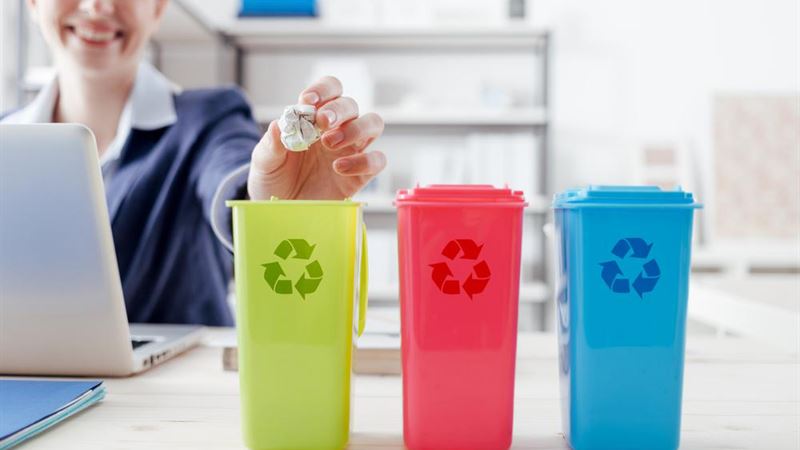
Efficient waste management is crucial for maintaining environmental health, public safety, and sustainable development. Understanding the fundamental principles of waste handling and applying best practices can significantly reduce pollution and conserve resources. Waste can be broadly categorized into dry and wet types; dry waste includes materials such as wood, metals, and glass, while wet waste is primarily organic matter like food scraps and biodegradable waste. Proper segregation at the source allows for more effective processing, whether through recycling, composting, or energy recovery. The goal is to minimize landfill use and maximize reuse and resource recovery.
Innovative Waste Reuse Techniques
There are numerous innovative and practical methods to reuse waste materials, thereby reducing environmental impact and promoting sustainability. Some of the most effective waste reuse strategies include:
- Organic Waste Composting: Organic waste such as plant residues, food leftovers, and other biodegradable materials can be composted. Composting transforms these wastes into nutrient-rich organic fertilizer, which can be used to improve soil health and promote healthy plant growth. This not only reduces the volume of waste sent to landfills but also closes the nutrient loop in agricultural practices.
- Energy Generation from Waste: Waste-to-energy (WTE) technologies harness the energy stored in waste materials. This process involves burning waste in controlled conditions to produce electricity or heat, which can be supplied to homes and industries. WTE plants help reduce dependency on fossil fuels and decrease landfill overflow.
- Pyrolysis and Gasification: Pyrolysis involves heating organic waste in an oxygen-limited environment, breaking it down into useful products like bio-oil, syngas, and char. Gasification is a similar process that converts waste into synthetic gases which can be utilized as fuels. These advanced thermal processes are gaining popularity as sustainable waste treatment methods.
- Recycling: Recycling involves processing non-biodegradable waste, such as plastics, aluminum, and paper, to produce raw materials for new products. Effective recycling reduces the demand for virgin resources, conserves energy, and minimizes environmental pollution. Setting up comprehensive recycling programs and ensuring public participation are essential for maximizing impact.
Proper Waste Disposal Techniques
Effective waste disposal is the backbone of a successful waste management system. Several disposal methods are implemented depending on the type of waste and local regulations:
- Sanitary Landfills: Engineered landfills designed to contain waste safely, prevent leachate leakage, and mitigate groundwater contamination. These landfills are carefully lined and monitored to ensure environmental safety.
- Incineration: Combustion of waste in specially designed chambers reduces volume and can generate energy. Incineration is suitable in areas where land availability is limited, but it requires pollution control measures to prevent harmful emissions.
- Waste-to-Energy Facilities: Facilities that burn waste to produce electricity or heat, effectively combining disposal with energy recovery. This method helps reduce waste volume while producing useful energy.
- Plasma Gasification: An advanced technology where waste is exposed to high temperatures in a plasma arc, converting it into synthetic gases and slag. This method minimizes environmental impact and produces clean energy products.
- Composting: A natural process that decomposes organic waste into compost, enriching soils for agriculture or gardening. Composting is simple, cost-effective, and environmentally friendly.
For all these processes to function optimally, establishing a comprehensive waste management framework is essential. This includes proper waste segregation, collection, transportation, and disposal strategies. Community participation, policy enforcement, and technological innovation collectively contribute to creating sustainable waste management systems that protect the environment and public health.
In conclusion, adopting integrated waste management practices involving reuse, recycling, energy recovery, and safe disposal methods is vital for environmental sustainability. Governments, industries, and individuals must work together to implement policies and systems that support these practices, leading to cleaner, healthier communities and a sustainable future.