
Comprehensive Guide to Nail Fungus: Causes, Symptoms, and Effective Treatments
Nail fungus, caused by dermatophytes, leads to thickened, discolored, and brittle nails. Recognizing symptoms early and seeking a combination of professional treatment and home remedies, such as Vicks Vaporub, tea tree oil, and vinegar soaks, can effectively combat the infection. Preventive measures like keeping nails dry and maintaining good hygiene are key to avoiding re-infection. This comprehensive guide details causes, symptoms, treatment options, and prevention strategies to help you restore healthy nails and prevent future outbreaks.
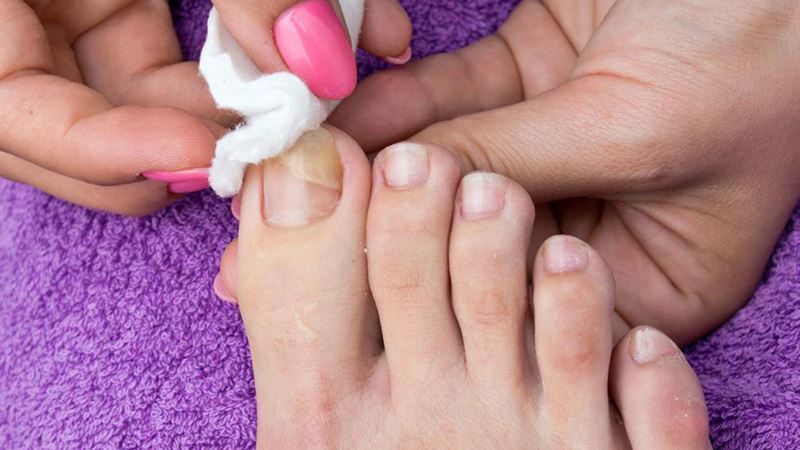
- Gradual thickening of the affected nails, making them feel cumbersome and less flexible.
- Noticeable discoloration, which can range from a whitish hue to yellow, brown, or even greenish shades.
- Fragile, brittle, or ragged nails that break easily, often accompanied by crumbling edges.
- Presence of debris accumulated underneath the nail, leading to a darkened appearance on the surface.
- Deformation of the nail structure, sometimes causing it to lift from the nail bed.
- In some cases, a foul odor may be associated with advanced infections.
Consulting a dermatologist is the most reliable way to address nail fungal infections. A professional can accurately diagnose the extent of the infection and prescribe targeted treatments, ranging from topical antifungal creams to oral medications, depending on severity. In persistent or severe cases, laser therapy or surgical removal of the infected nail may be considered. Professional treatment not only accelerates recovery but also reduces the risk of recurrence.
However, if you prefer to explore home remedies first or if your infection is mild, there are several natural solutions you can try. Below are some of the most effective home treatments backed by anecdotal and scientific evidence.
- Vicks VapoRub: Originally formulated to relieve cold symptoms, Vicks contains ingredients like camphor and eucalyptus oil, which possess antifungal properties. Applying a small amount of Vicks onto the affected nails daily can inhibit fungal growth and promote healthier nail regeneration.
- Combination of Listerine and Vinegar: Mouthwash such as Listerine contains menthol and thymol, which can act against fungi. When mixed with vinegar, known for its acidic environment hostile to fungi, soaking nails for about an hour daily can significantly reduce fungal presence.
- Tea Tree and Orange Oil: Known for their natural antifungal and antiseptic properties, tea tree oil coupled with orange oil creates a potent solution to combat nail fungus. Regular application helps in disinfecting the nails and preventing further infection.
- Baking Soda and Vinegar Soak: Baking soda naturally neutralizes fungi, while vinegar creates an inhospitable environment. Soaking nails in a mixture of these two substances daily over a few weeks can lead to noticeable improvements.
- Coconut Oil: Rich in lauric acid and antifungal compounds, coconut oil penetrates fungal membranes, disrupting their structure and causing their disintegration. Applying coconut oil regularly can help in controlling and eliminating nail fungus.
- Maintain Dryness: Fungi thrive in moist environments. Ensure thorough drying of hands and feet after washing, especially between toes. Avoid wearing damp socks or pantyhose for extended periods, and opt for breathable footwear.
- Use Disinfectants: Regularly wash socks, towels, and footwear with antifungal disinfectants to kill lingering fungi and prevent re-infection.
- Boost Immune Function: A healthy immune system can fend off fungal pathogens more effectively. Incorporate a diet rich in vitamins, minerals, and antioxidants. Manage stress with relaxation techniques like meditation and ensure adequate sleep and physical activity.
- Practice Good Hygiene: Avoid sharing personal items such as nail clippers, towels, or shoes. Keep nails trimmed, clean, and dry, and avoid walking barefoot in public places like gyms or pools where fungi are prevalent.