
Effective Strategies to Eliminate Toenail Fungus and Restore Nail Health
Discover comprehensive methods to effectively combat toenail fungus. From natural home remedies like apple cider vinegar and tea tree oil to advanced medical treatments including topical and oral antifungals, this extensive guide covers everything you need to restore healthy nails. Learn about risk factors, symptoms, preventive tips, and when to seek urgent medical care to ensure successful recovery. With proper care and hygiene, you can prevent recurrence and maintain healthy, fungus-free toenails for life.
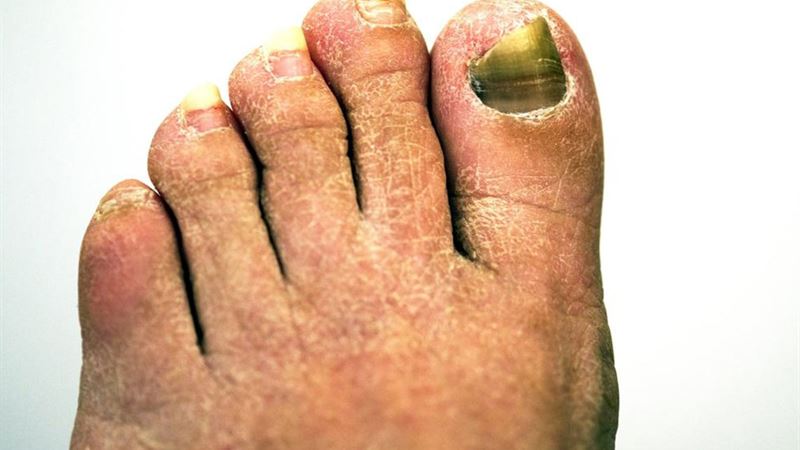
Toenail fungus, medically known as onychomycosis, is a common nail disorder caused by various types of fungi that infect the toenails. This condition can lead to thickened, discolored, brittle, and crumbly nails, often causing discomfort and aesthetic concerns. Understanding the risk factors, symptoms, and treatment options is crucial for effective management and prevention. This comprehensive guide explores the causes of toenail fungus, preventive measures, home remedies, professional treatments, and tips to avoid recurrence, aiming to help individuals restore healthy nails and improve foot health.
**Understanding Toenail Fungus: Causes and Risk Factors**
Toenail fungus develops when fungi invade the nail bed, thriving in warm, moist environments. Common causes include exposure to infected nails, walking barefoot in damp communal areas like swimming pools or locker rooms, and sharing footwear or nail care tools. Certain health conditions like diabetes, a weakened immune system, and genetic predisposition elevate the risk. Individuals with excessive sweating or those wearing tight, poorly ventilated shoes are also more susceptible. Children with certain developmental conditions, such as Down syndrome, are at increased risk due to their immune vulnerabilities.**Recognizing the Symptoms of Toenail Fungal Infection**
Early detection is important to prevent further damage. Typical symptoms include a thickened nail, discoloration (yellow, white, or brown), and dull appearance. The nail may become brittle and crumble easily. As the infection progresses, the affected nail can lift from the nail bed, causing pain or discomfort, especially while walking. Sometimes, the infection is accompanied by foul odor or visible debris under the nail. If you notice these signs, consulting a healthcare professional is advisable to confirm the diagnosis and start appropriate treatment.**Home Remedies for Toenail Fungus: Natural Approaches for Management**
The popularity of home remedies stems from their accessibility and minimal side effects. While effectiveness may vary depending on the severity of the infection, many people find these natural solutions helpful in managing early-stage or mild cases.- Apple Cider Vinegar: Known for its antifungal properties, apple cider vinegar can help inhibit fungal growth. Mix equal parts of apple cider vinegar and water, then soak the feet for at least 30 minutes daily. After soaking, dry your feet thoroughly, especially around the nails. Consistent use can slow progression and aid in clearing mild infections.
- Baking Soda: Baking soda possesses antifungal and deodorizing capabilities. Create a paste by combining baking soda with a small amount of water. Apply the paste directly onto the infected nails and surrounding skin, leave it for 10-15 minutes, then rinse and dry thoroughly. Regular application may promote nail detachment of infected tissue and support new healthy growth.
- Tea Tree Oil: A natural antiseptic, tea tree oil has been employed for centuries to treat various skin ailments, including fungal infections. Dab a few drops of undiluted tea tree oil onto the affected nails using a cotton swab. Allow it to dry naturally and repeat two to three times daily. Its antifungal properties may help reduce infection severity over time.
**Professional Medical Treatments for Toenail Fungus**
When home remedies are insufficient, seeking medical intervention is essential. Healthcare professionals can accurately diagnose the type and severity of the fungal infection, guiding appropriate treatment strategies.- Topical Antifungal Medications: Prescription creams, lacquers, or gels are often the first line of treatment. These are applied directly to the infected nails and surrounding skin. Nail lacquers, such as ciclopirox, require weekly application and can be effective for mild to moderate cases. Thinning the affected nail may be necessary to enhance medication penetration.
- Oral Antifungal Medications: In more persistent or severe infections, oral antifungal drugs like terbinafine or itraconazole may be prescribed. These medications work systemically to eradicate fungi but may have side effects, especially for individuals with liver conditions. Blood tests and regular monitoring are recommended during treatment.
- Nail Removal Procedures: If the infection is advanced and resistant to other treatments, partial or complete removal of the infected nail might be considered. This procedure alleviates pain, allows direct application of antifungal agents to the nail bed, and facilitates faster healing.
**Preventive Measures and Tips to Avoid Recurrence**
Prevention is crucial to maintaining healthy nails and preventing future infections. Here are some key tips:- Maintain good foot hygiene: Wash feet daily, dry thoroughly, especially between the toes.
- Use breathable footwear: Opt for shoes made of natural materials that allow ventilation and absorb sweat.
- Keep nails trimmed: Short nails reduce space for fungi to thrive.
- Change socks regularly: Wear moisture-wicking socks and switch them if they become damp.
- Avoid walking barefoot in communal areas: Use slippers or flip-flops in public showers or pools.
- Disinfect nail care tools: Regularly sanitize files, clippers, and other grooming tools to prevent cross-contamination.
- Be vigilant with footwear: Do not share shoes or socks with others to minimize fungal transmission.
**When to See a Doctor Immediately**
While mild cases may resolve with proper home care, certain symptoms warrant urgent medical attention. Seek consultation if you notice pus, persistent pain, swelling, or warmth around the nail area. A high fever, spreading redness, or signs of bacterial superinfection require immediate care. Individuals with underlying conditions like diabetes or compromised immunity should be especially vigilant, as infections can worsen quickly and lead to complications.**Final Thoughts: Long-term Care and Management**
Toenail fungus can be stubborn, with possibilities of recurrence even after successful treatment. Regular foot inspections, hygiene practices, and prompt attention to early symptoms are essential in managing and preventing future episodes. Combining effective treatments with good habits can promote healthy nails, improve foot comfort, and restore confidence in your appearance.